Health Audit Pest Control Preparation
A failed DineSafe inspection due to pest findings can close your restaurant immediately and post your result publicly. Bugsway prepares Toronto food businesses for health inspections — with pre-audit treatments, complete documentation, and rapid response for post-inspection remediation.
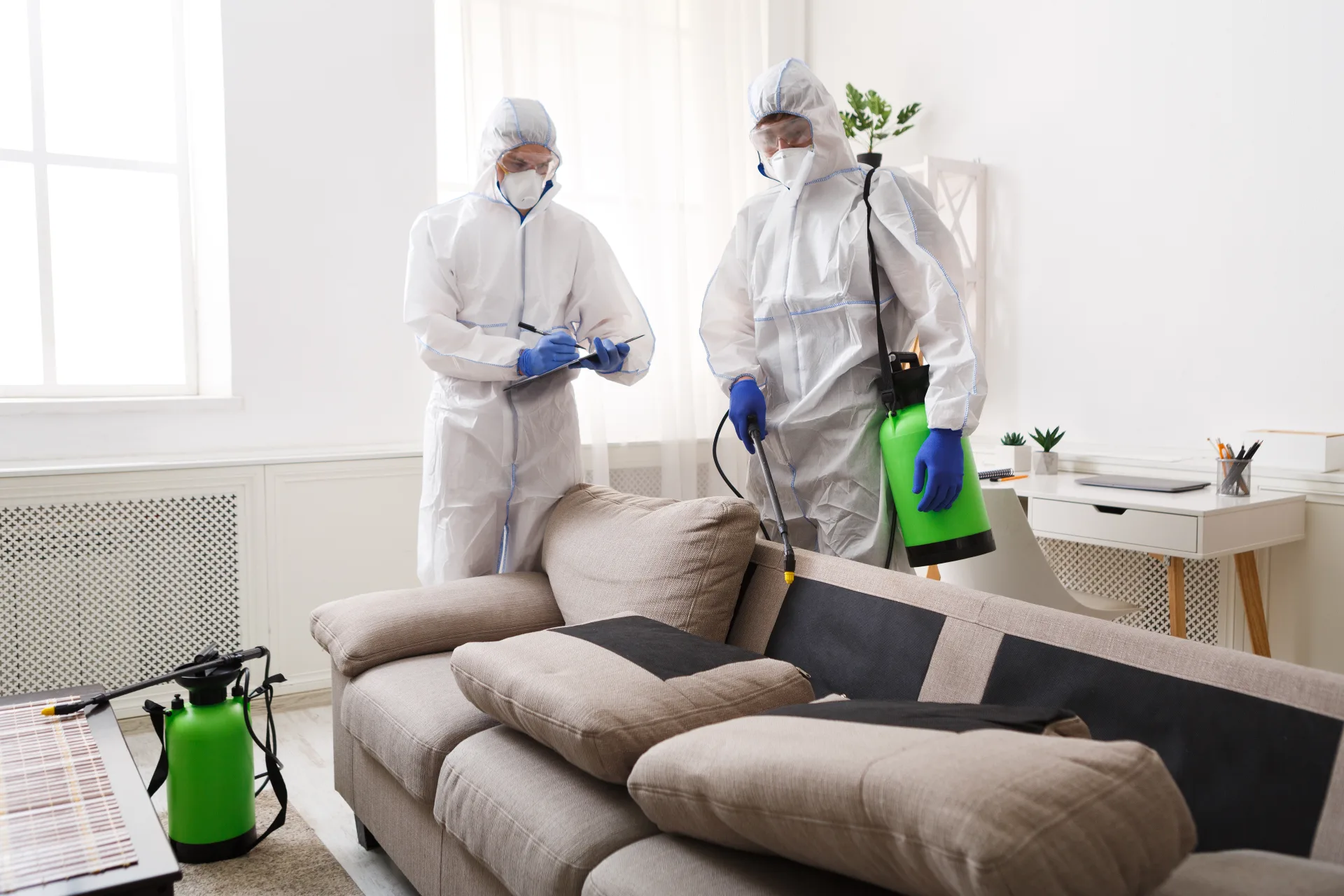
How Toronto's DineSafe Program Works
Toronto Public Health's DineSafe program conducts unannounced inspections of every food service establishment in the city at least once per year, with higher-frequency establishments inspected quarterly. Results — including any infractions — are posted publicly on the City of Toronto's DineSafe website and posted on the premises.
Pest-related findings are classified as Critical or Significant infractions, both of which result in a public disclosure and potential immediate closure orders for severe violations. Under the Ontario Food Premises Regulation, the presence of pests in a food preparation or storage area is grounds for a Critical Infraction — which means an immediate Closed order and required remediation before re-opening.
The business impact of a failed DineSafe inspection goes beyond the immediate closure. The result is publicly posted on the City of Toronto website and has been indexed by Google — meaning a DineSafe failure can appear in search results for your restaurant name indefinitely.
DineSafe Pest-Related Infraction Types
- •Live pests observed in food preparation or storage areas
- •Evidence of pest harbouring in contact with food
- •Active rodent infestation without documentation of response
- •Evidence of pests (droppings, gnaw marks) without active infestation
- •No pest management contract in place or documentation unavailable
- •Structural conditions that permit pest entry (gaps, holes)
- •Inadequate exclusion measures (gaps under doors, unsealed vents)
- •Pest monitoring devices not maintained or logged
- •Minor sanitation issues that could attract pests
Bugsway's Pre-Inspection Pest Control Service
Bugsway's pre-inspection service is designed for Toronto food operators who have received notice of an upcoming DineSafe inspection, want to proactively prepare before their next expected inspection cycle, or have recently addressed a previous pest finding and need to demonstrate corrective action.
The service includes a comprehensive audit-focused facility inspection that mirrors the approach taken by Toronto Public Health inspectors — assessing all food preparation areas, storage, back-of-house, staff areas, and the exterior envelope for any pest evidence or structural conditions that could result in an infraction.
We provide a written pre-inspection report documenting all findings, corrective actions taken, and a signed declaration of active pest management service — the documentation package most likely to satisfy a DineSafe inspector on the day of their visit.
For operators who have just failed an inspection and need rapid remediation, we offer emergency same-day response. Our documentation of the corrective treatment can be submitted to Toronto Public Health to support your re-inspection request.
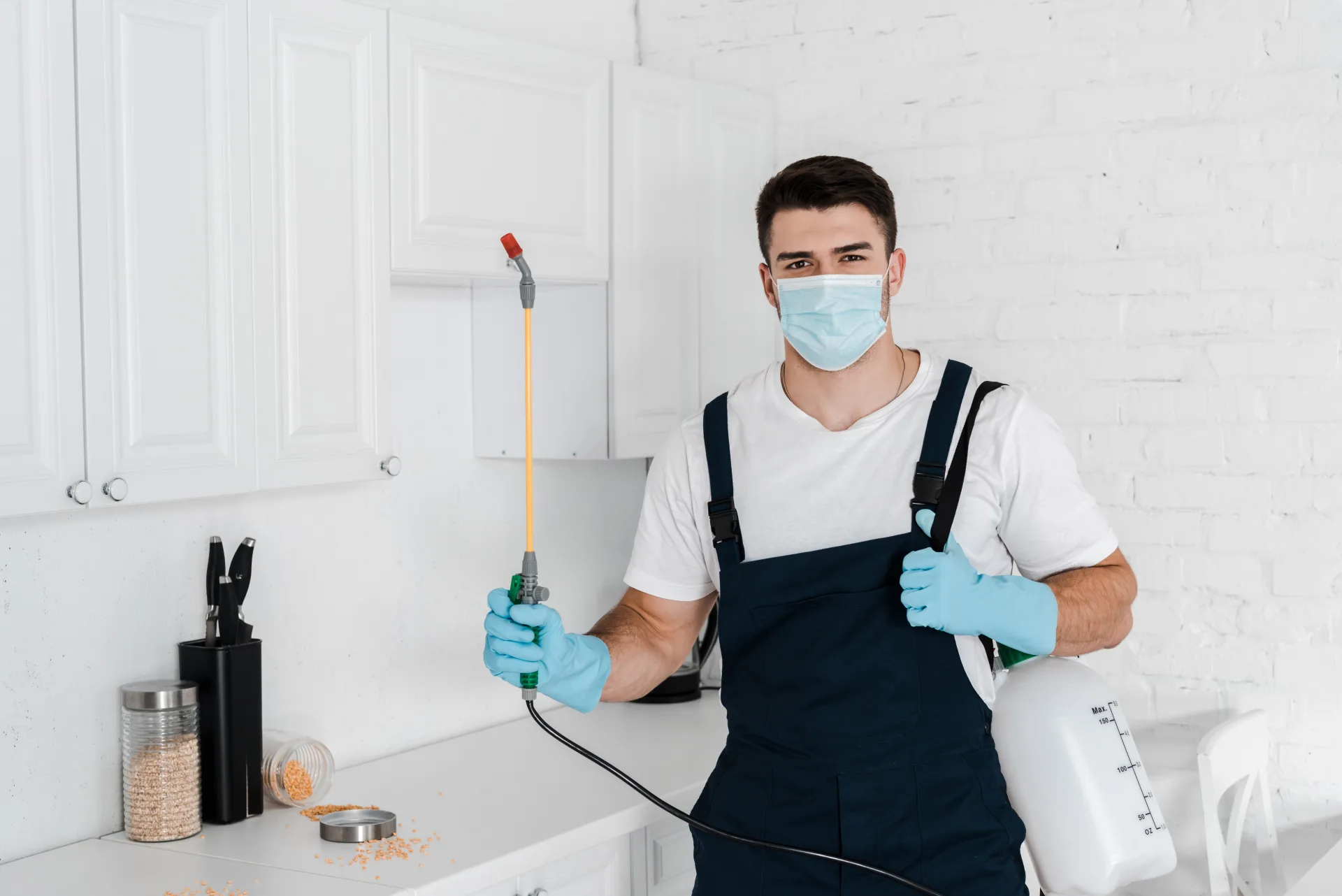
The Bugsway Health Audit Documentation Package
Every Bugsway commercial client receives this documentation package — ready for inspector review at any time.
Service Contract Letter
A signed letter on Bugsway letterhead confirming the existence of an active pest management contract, the scope of services, and the technician's licence number.
Visit-by-Visit Service Reports
Detailed written reports from every service visit, including date, technician, findings, treatments applied, products and quantities used, and recommendations.
Technician Credentials
Copies of the attending technician's Ontario Ministry of Environment Structural Extermination licence and any relevant additional certifications.
Chemical Safety Data Sheets
SDS documentation for all pesticide products used on the premises — available for review by Toronto Public Health inspectors on request.
Annual IPM Program Document
A written Integrated Pest Management program document outlining the pest management strategy, monitoring approach, and escalation procedures specific to your facility.
Remediation Documentation
For accounts that have previously received a DineSafe infraction: formal remediation documentation describing the corrective actions taken and the ongoing prevention program in place.
Don't Wait for a Failed Inspection to Act
Proactive DineSafe preparation from Bugsway gives Toronto restaurants the documentation and pest-free environment needed to pass every inspection. Book now.
What Health Inspectors Look For: A Pest Control Perspective
Toronto Public Health DineSafe inspectors use a standardized checklist during every unannounced visit. Pest-related infractions that trigger Critical or Significant findings include evidence of rodent activity such as droppings, gnaw marks, or burrow evidence; cockroach evidence including droppings, egg casings, or live insects; flies in food preparation zones; inadequate or absent pest control documentation; and structural gaps or openings that allow pest entry into the facility. Any one of these findings can result in a Conditional or Closed posting that is publicly visible on the DineSafe website and searchable by your restaurant name on Google. Understanding what inspectors are specifically looking for allows you to address vulnerabilities before they become infractions rather than after.
CFIA food safety audits for manufacturers, distributors, and retailers introduce an additional layer of documentation requirements. CFIA-regulated facilities require a documented, HACCP-compatible Integrated Pest Management program. Inspectors review service records typically dating back twelve months and assess whether the pest management program meets the documented thresholds for action, monitoring frequency, and corrective response. A gap in service records, a period without a licensed technician visit, or missing product safety data sheets can all generate non-conformances during a CFIA audit regardless of whether any pest activity was observed.
Accreditation Canada surveyors for healthcare facilities review the facility's IPM plan, pest sighting logs, and corrective action procedures against PIDAC infection control standards and CSA Group guidelines. These audits assess the written program as much as the physical results — a well-documented IPM program with consistent service records demonstrates proactive risk management, which surveyors view favourably even if minor pest evidence is found. Bugsway prepares documentation packages tailored to each regulatory framework, ensuring your records meet the specific expectations of your applicable auditing body.
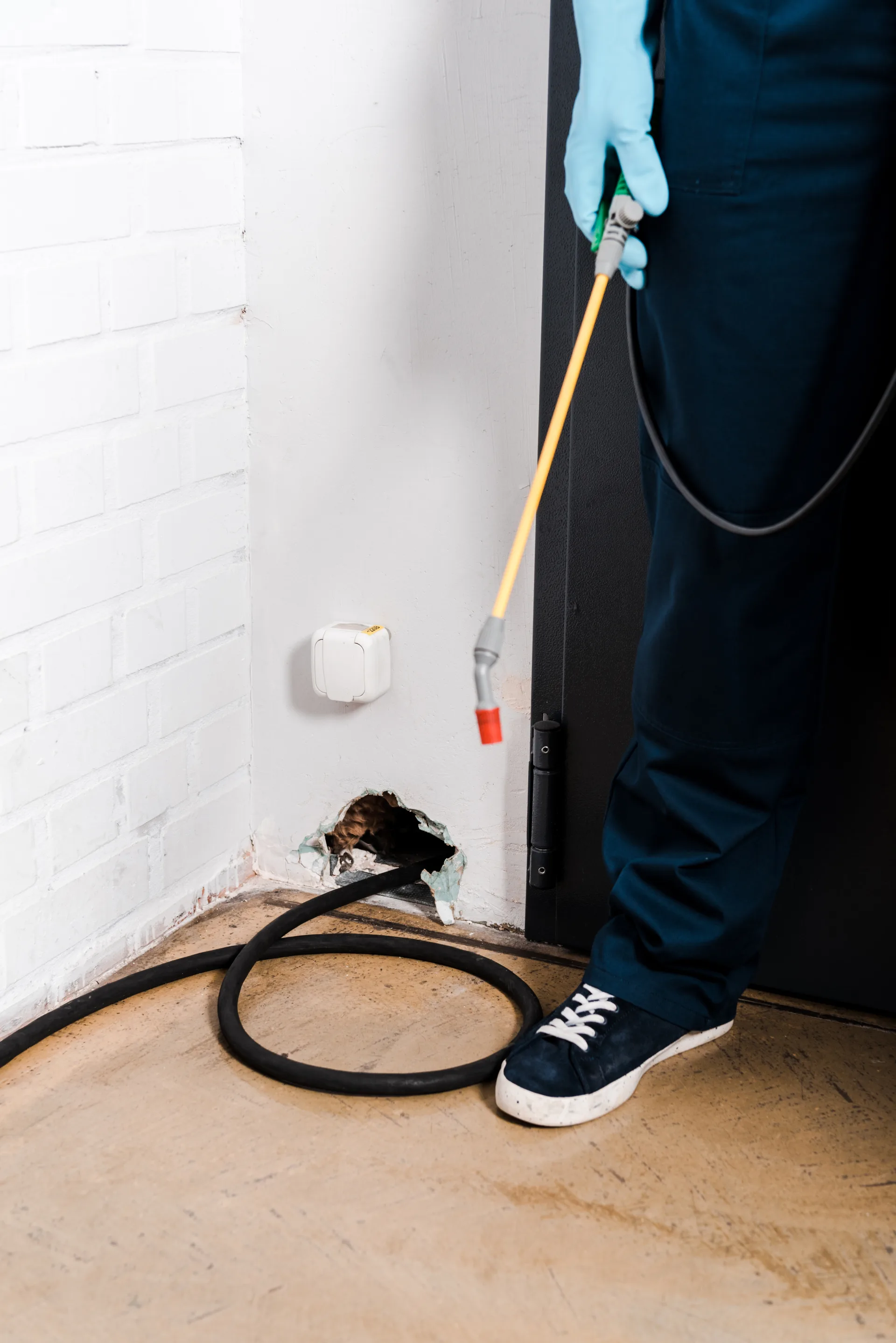
Bugsway's Pre-Audit Inspection Service
Bugsway conducts pre-audit walkthrough inspections using the same checklist framework as your applicable regulatory body — DineSafe for food service establishments, CFIA for food manufacturers and distributors, and Accreditation Canada frameworks for healthcare facilities. Our technicians are trained to evaluate your facility from the perspective of an inspector, not just a pest control provider. This means assessing areas that inspectors commonly check and that routine pest control visits may overlook, including ceiling voids above food prep areas, floor drain conditions, gaps behind equipment, and the condition of door seals and loading dock closures.
During the pre-audit walkthrough, we identify all pest evidence — droppings, gnaw marks, dead insects, live pest sightings, harbourage zones, and nesting areas — as well as structural vulnerabilities such as gaps around utility penetrations, cracked masonry, and drainage conditions that support pest harbouring. Documentation gaps are reviewed: we check that your service records are complete, current, and formatted to the standard expected by your regulator. A written pre-audit report with prioritized corrective actions is provided within twenty-four hours of the walkthrough, giving you a clear action list before your inspection date.
Emergency treatment of any active infestations found during the pre-audit walkthrough is performed the same day. Bugsway technicians carry full treatment equipment on every pre-audit visit so that a cockroach discovery or rodent evidence found during the inspection does not require a second appointment before remediation begins. We also provide a ninety-day service record summary and a complete documentation package formatted and ready for inspector review, reducing the administrative burden on your management team during an already high-pressure period.
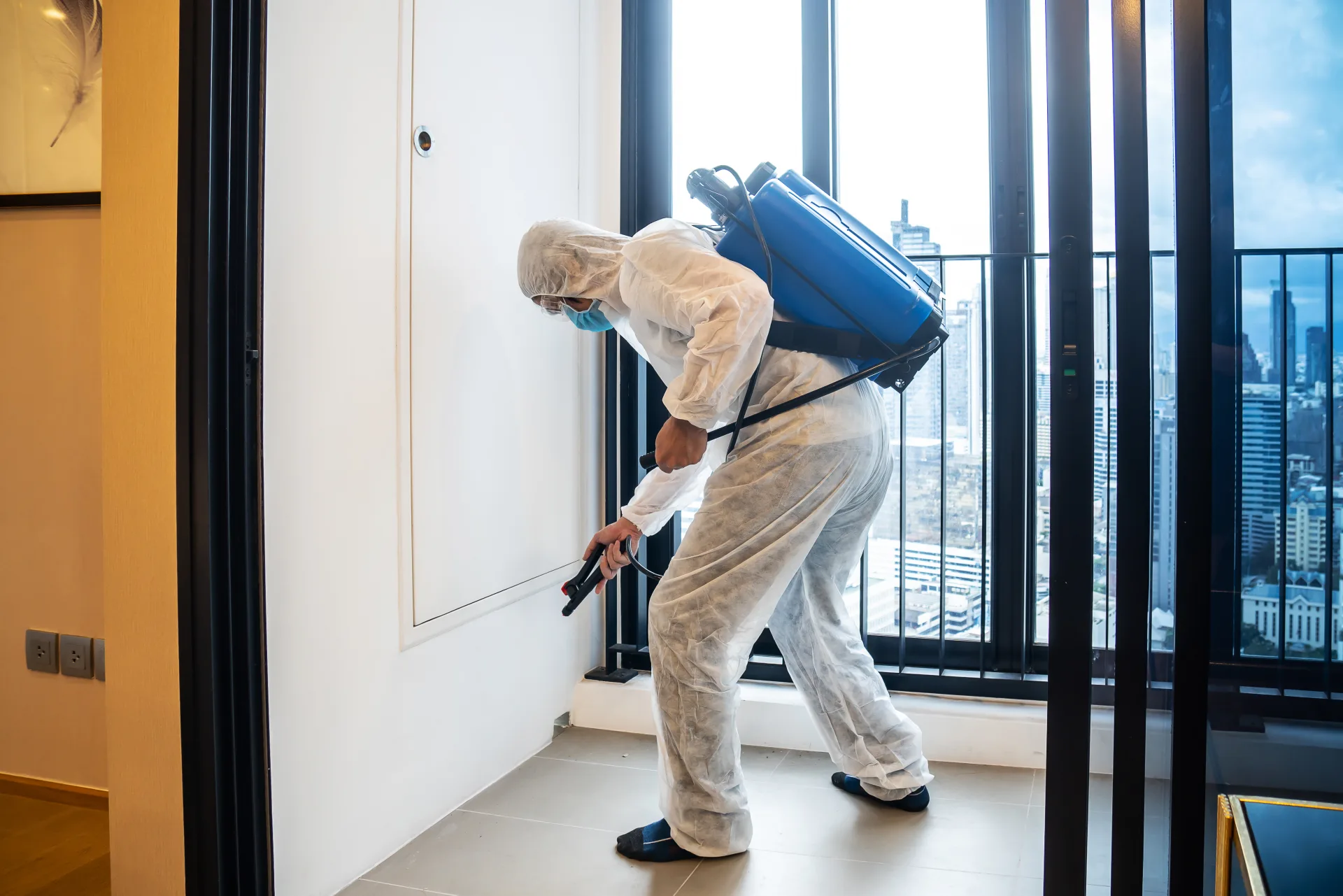
Documentation Bugsway Provides for Every Audit
Every Bugsway commercial account receives a complete audit-ready documentation package maintained and updated after each service visit. Service certificates include attending technician credentials, Ontario Ministry of Environment licence numbers, and service scope confirmation on Bugsway letterhead — the documents most commonly requested by DineSafe, CFIA, and Accreditation Canada auditors at the start of a pest management review. Pest activity trend logs compiled monthly and quarterly demonstrate that your facility is actively monitored and that pest pressure is tracked over time, which inspectors interpret as evidence of a proactive rather than reactive program.
Treatment records detail the products used at each visit, application rates and locations, targeted pest species, and findings from each inspection round — providing the evidence trail required for HACCP compliance and CFIA audits. Corrective action reports are issued for any infestations found between routine visits, documenting the response and the outcome. Product Safety Data Sheets for all pesticides used on-site are maintained and available for immediate inspector review. The full package also includes a written IPM program document covering inspection schedule, monitoring methods, action thresholds, treatment procedures, and documentation protocols, as well as a pest identification reference guide for facility staff to support the reporting procedures that regulators expect to see in place.
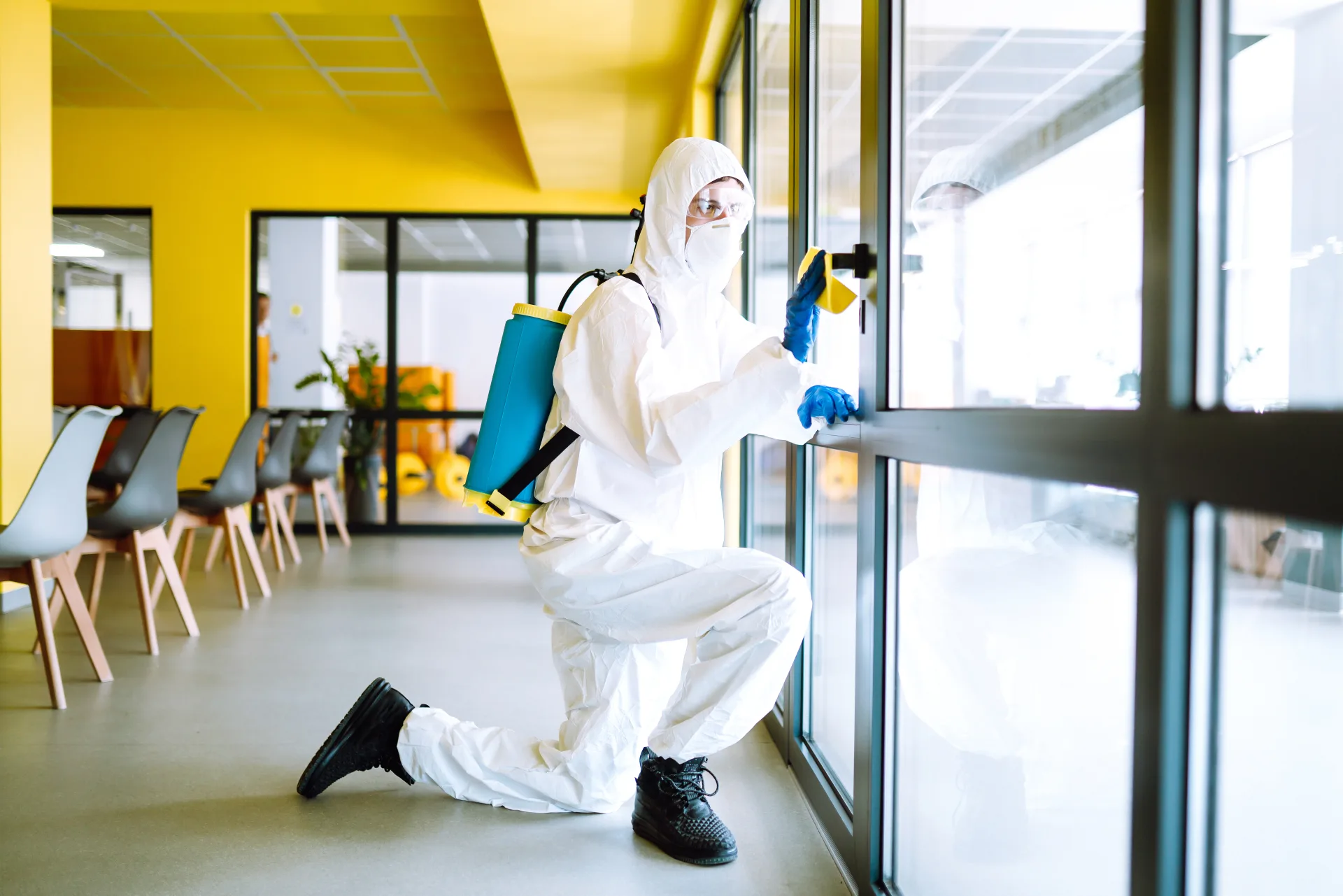
Toronto Public Health and Peel Region DineSafe: What Inspectors Look For
Ontario's Food Premises Regulation (O. Reg. 493/17) governs every food service establishment in the province and forms the legal basis for DineSafe inspections conducted by Toronto Public Health and Peel Region's equivalent program. Section 14 of the regulation addresses pest management directly, requiring operators to take effective measures to prevent the entry, harbouring, and breeding of pests and to maintain the facility in a condition that does not permit pest access to food or food contact surfaces. Failure to demonstrate compliance with Section 14 is the most common basis for Critical and Significant infractions in the pest control category.
When a DineSafe inspector arrives — unannounced, as is standard practice — they work through a checklist that includes specific pest evidence categories. Inspectors look for rodent droppings in food storage areas, along wall perimeters, in dry goods storage, and near equipment. Gnaw marks on packaging, structural materials, electrical conduit, or stored product are considered evidence of active rodent presence. Live pest sightings during the inspection — cockroaches, rodents, or flies in food preparation zones — are automatic Critical infractions. Dead insects found near or beneath food equipment suggest active pressure that the operator has not addressed. Inadequate proofing — gaps around utility penetrations, broken door seals, open floor drains, or holes in walls — is classified as a structural condition permitting pest entry and generates a Significant infraction even when no active pest evidence is present.
Peel Region's health inspection program mirrors Toronto's DineSafe framework under the province-wide Food Safety and Inspection Services model. Restaurants in Mississauga, Brampton, and Caledon are subject to the same Section 14 requirements and the same documentation expectations. Bugsway prepares food service operators across both Toronto Public Health and Peel Region jurisdictions, ensuring your pest management documentation meets the specific format and content expectations of each region's inspection program.
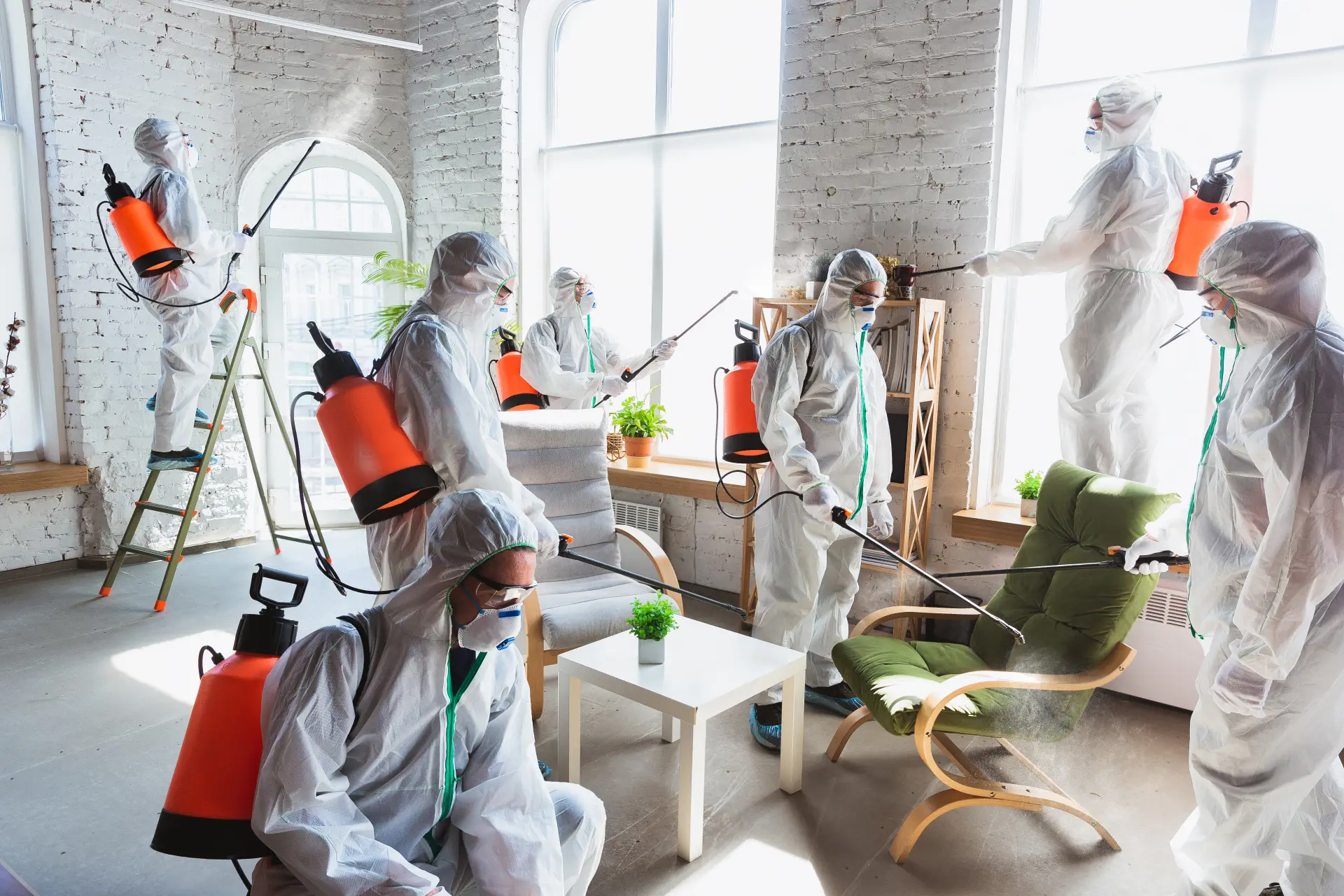
Our Pre-Inspection Treatment Protocol
Bugsway's pre-inspection treatment protocol is designed for food service operators who know an inspection is approaching or who have received notice of a scheduled re-inspection following a previous infraction. The service begins within 72 hours of booking — in most cases same-day or next-day — to ensure treatment residual is at peak effectiveness on the day of the inspection. The 72-hour window is intentional: it allows gel bait placements to become established and reduces the likelihood of any treated insects being visible during the inspection itself.
The comprehensive crack-and-crevice treatment applied during a pre-inspection visit targets all of the areas inspectors are specifically trained to check: beneath and behind cooking equipment, inside electrical wall plates and junction boxes, along the back of shelving units, in the void spaces beneath counters, around pipe penetrations through walls and floors, and in the harborage zones most commonly exploited by German cockroaches in commercial kitchen environments. Rodent monitoring station placements and bait levels are checked and refreshed. Any structural gaps identified during the walkthrough are noted in the service report with specific remediation recommendations your maintenance team can implement before the inspection date.
A documentation package is prepared and ready for inspector review before the technician leaves your facility. The package includes the current service report from the pre-inspection visit, the service history from the previous twelve months, the technician's Ontario Ministry of Environment licence credentials, product safety data sheets for all pesticides applied, and a signed letter on Bugsway letterhead confirming the existence and scope of your active pest management contract. Your digital pest log showing trend data across all monitoring station locations is available for download at any time, providing the time-series evidence of ongoing monitoring that DineSafe inspectors consider the most compelling indicator of a proactive rather than reactive pest management program.
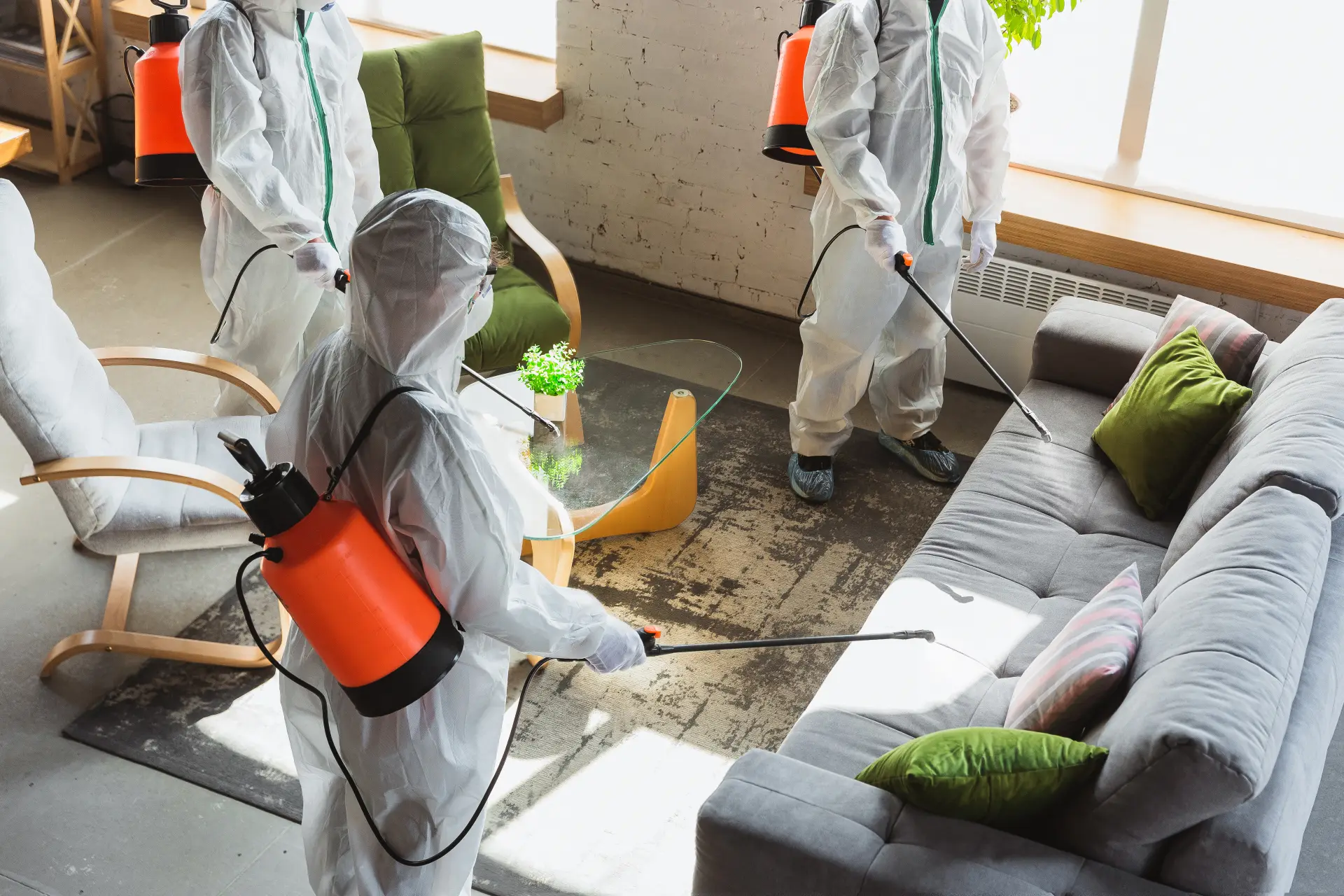
Post-Inspection Emergency Service
A failed DineSafe inspection does not have to mean a prolonged closure. Bugsway offers same-day corrective treatment for Toronto and Peel Region food service operators who have received a Conditional or Closed designation following a pest-related infraction. When you call after a failed inspection, a licensed commercial technician is dispatched with the priority given to emergency service — targeting arrival within two to four hours of your call. The treatment addresses the specific pest findings noted in the inspector's infraction report, ensuring that the corrective action is directly responsive to what the inspector observed.
Following the emergency corrective treatment, Bugsway prepares a formal remediation documentation package designed specifically for submission to the public health authority in support of your re-inspection request. The package includes a corrective action report describing the pest species addressed, the treatment methods and products applied, the areas treated, and the monitoring measures put in place to prevent recurrence. A service letter on Bugsway letterhead confirms that corrective action has been completed and that the facility is enrolled in an ongoing prevention program — the statement that public health inspectors most commonly require before scheduling a re-inspection. The documentation is provided in both digital and printed format the same day as treatment, allowing you to submit your re-inspection request to Toronto Public Health or Peel Region without delay and to reopen as quickly as the regulatory process permits.
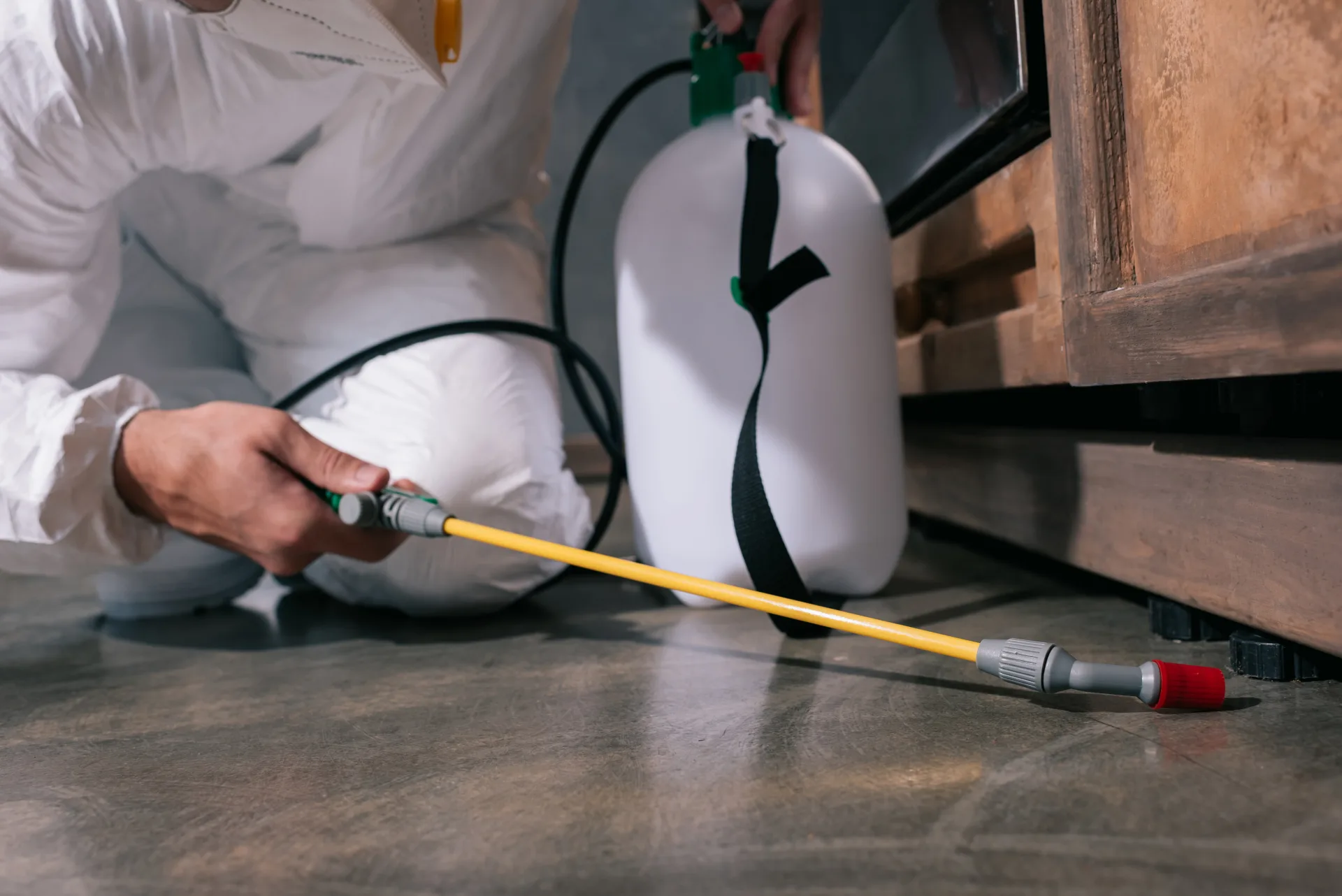
Frequently Asked Questions
More questions? Call 416-555-5555.
How far in advance should I book a pre-audit inspection?
What if active pest evidence is found during the pre-audit walkthrough?
Does Bugsway's documentation meet DineSafe requirements?
We've never had a pest control contract — can you create 12 months of records?
What is an IPM program document and do we need one?
Can Bugsway train our staff as part of health audit preparation?
Health Audit Pest Control Services Across the GTA
Bugsway provides pre-inspection pest control and post-inspection corrective services to food service establishments, food retailers, and food manufacturers throughout Toronto, Mississauga, Peel Region, Halton Region, and York Region. Our service documentation is accepted by Toronto Public Health, Peel Region, York Region Public Health, and Halton Region public health inspectors as evidence of active pest management under Ontario Regulation 493/17. For restaurants and food businesses with DineSafe compliance obligations, Bugsway maintains service records in a digital pest log that can be printed on demand for inspector review. Same-day emergency service is available seven days a week for businesses facing imminent inspection or requiring immediate corrective action following an infraction notice. Call Bugsway to discuss your health audit preparation needs and receive a written service proposal. Our pre-inspection service is available on short notice — most Toronto, Mississauga, and Brampton food businesses can be seen within 24 to 48 hours of booking. We issue your documentation package immediately following service so you have it in hand before your inspector arrives. Repeat DineSafe violations related to pest control can result in mandatory closure — proactive treatment and documented service history are the most cost-effective risk management strategy available to food business owners in Ontario. Bugsway's health audit preparation service has helped hundreds of GTA food businesses pass inspections, respond to infractions, and maintain clean inspection records year over year. Call today to speak with our commercial team about your upcoming inspection or compliance requirements.