Healthcare Facility Pest Control Toronto
Pest management in healthcare environments demands a level of precision, documentation, and compliance that goes far beyond standard commercial pest control. Bugsway's healthcare program is designed specifically for Ontario's clinical and care facility requirements.
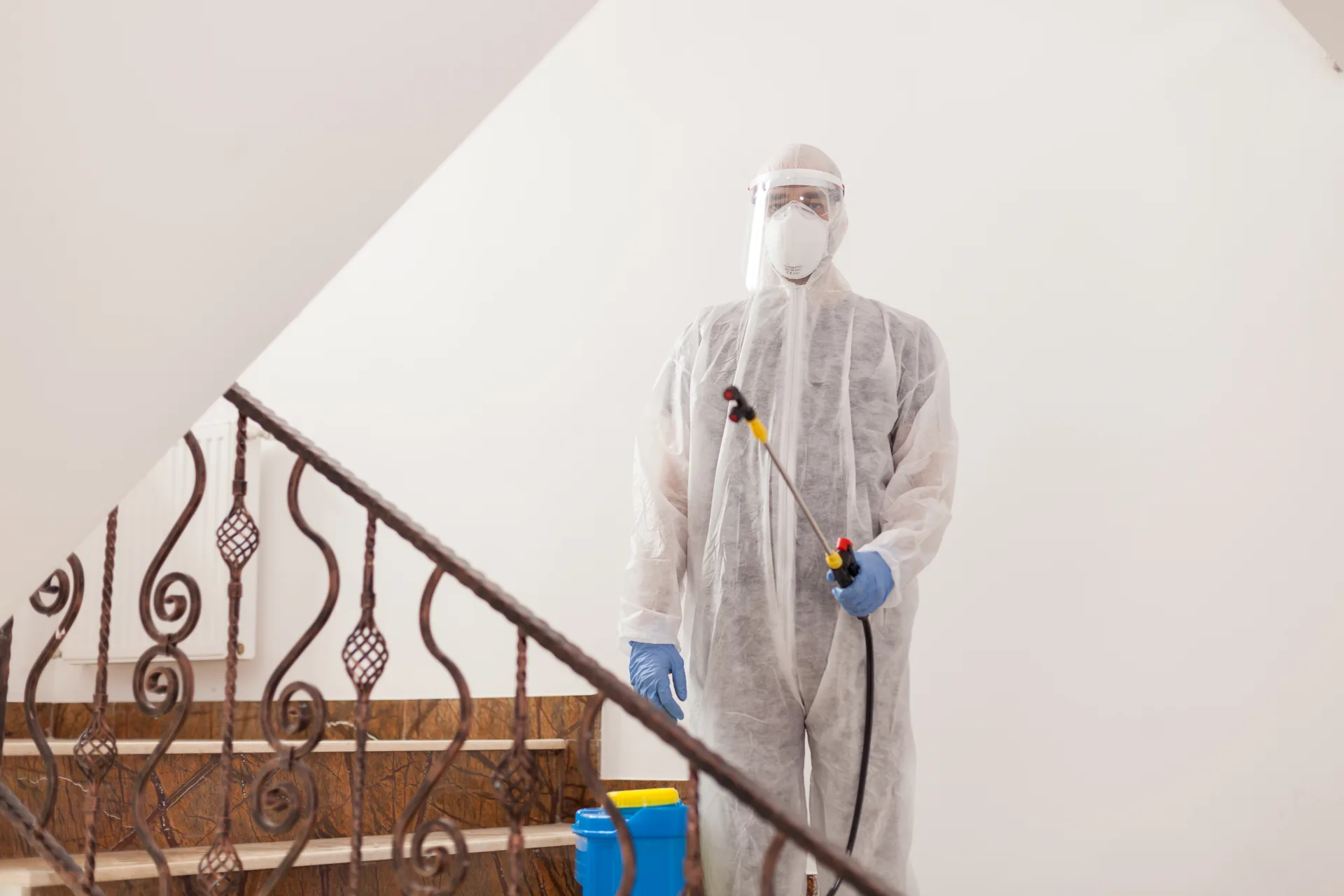
Pest Management Aligned with Ontario IPAC Standards
Infection Prevention and Control (IPAC) standards for Ontario healthcare facilities require that pest management programs actively minimize the risk of pest-mediated disease transmission. This means using the least-toxic effective products, maintaining rigorous documentation, and treating pest findings as potential infection control incidents. Bugsway's healthcare program is designed to these standards.
Pest Risks in Healthcare Environments
Bed Bugs in Healthcare Facilities — A Growing Concern
Bed bugs in hospitals, long-term care homes, and rehabilitation centres have become an increasingly significant challenge for Toronto's healthcare sector. Patients admitted from infested home environments or care facilities introduce bed bugs to clinical spaces — on clothing, personal items, and personal mobility equipment.
Unlike the residential context, a bed bug infestation in a hospital or care facility poses additional complexity: you cannot heat-treat an occupied patient room, chemical applications must meet strict patient safety thresholds, and the regulatory and documentation requirements are significantly more demanding.
Bugsway's healthcare bed bug protocol includes room-by-room risk assessment, treatment using IPAC-appropriate products with appropriate clearing times, and post-treatment monitoring documentation for infection control records.
Healthcare Bed Bug Response Protocol
- 1 Notification to infection control coordinator on discovery
- 2 Isolation of affected room/area pending assessment
- 3 Bugsway assessment within 4 hours for contracted accounts
- 4 Treatment using IPAC-appropriate products and procedures
- 5 Minimum required clearing time before room re-use
- 6 Post-treatment inspection at 7 and 14 days
- 7 Incident documentation for facility infection control records
Rodent Exclusion in Clinical Environments
Rodents in healthcare facilities present an infection control risk that goes beyond the standard property damage concerns. Rodents are documented vectors for Hantavirus, Salmonella, Leptospirosis, and other pathogens — any of which can pose serious risk in an environment where immunocompromised patients are present.
Healthcare facilities must also manage the rodenticide selection carefully: second-generation anticoagulant rodenticides are restricted or prohibited in areas where patients or vulnerable individuals could be exposed. Our healthcare program uses only tamper-resistant bait stations with appropriate product selection, supplemented by exclusion work and snap trapping in areas where rodenticide cannot safely be deployed.
Full Exclusion Assessment
Every potential entry point documented and sealed using materials appropriate for healthcare facility construction standards.
Safe Rodenticide Protocol
All rodenticide in tamper-resistant stations. Product selection avoids compounds with patient safety concerns.
Infection Control Documentation
Post-treatment reports formatted for infection control records and accreditation documentation requirements.
Accreditation-Ready Documentation
Accreditation Canada and Ontario's healthcare inspection programs require documented evidence of active, compliant pest management programs. Bugsway provides healthcare facilities with the documentation package required to satisfy these requirements, including:
Service reports after every visit (findings, treatments applied, products used, technician credentials), quarterly trend summaries showing pest pressure over time, annual IPM program review and written program document, chemical Safety Data Sheets (SDS) for all products used, and technician certification records on file and available on request.
Our documentation format has been reviewed and accepted by multiple Toronto-area healthcare administrators for use in accreditation submissions. We are familiar with the documentation requirements of Accreditation Canada's Qmentum program and Ontario's Long-Term Care inspection standards.
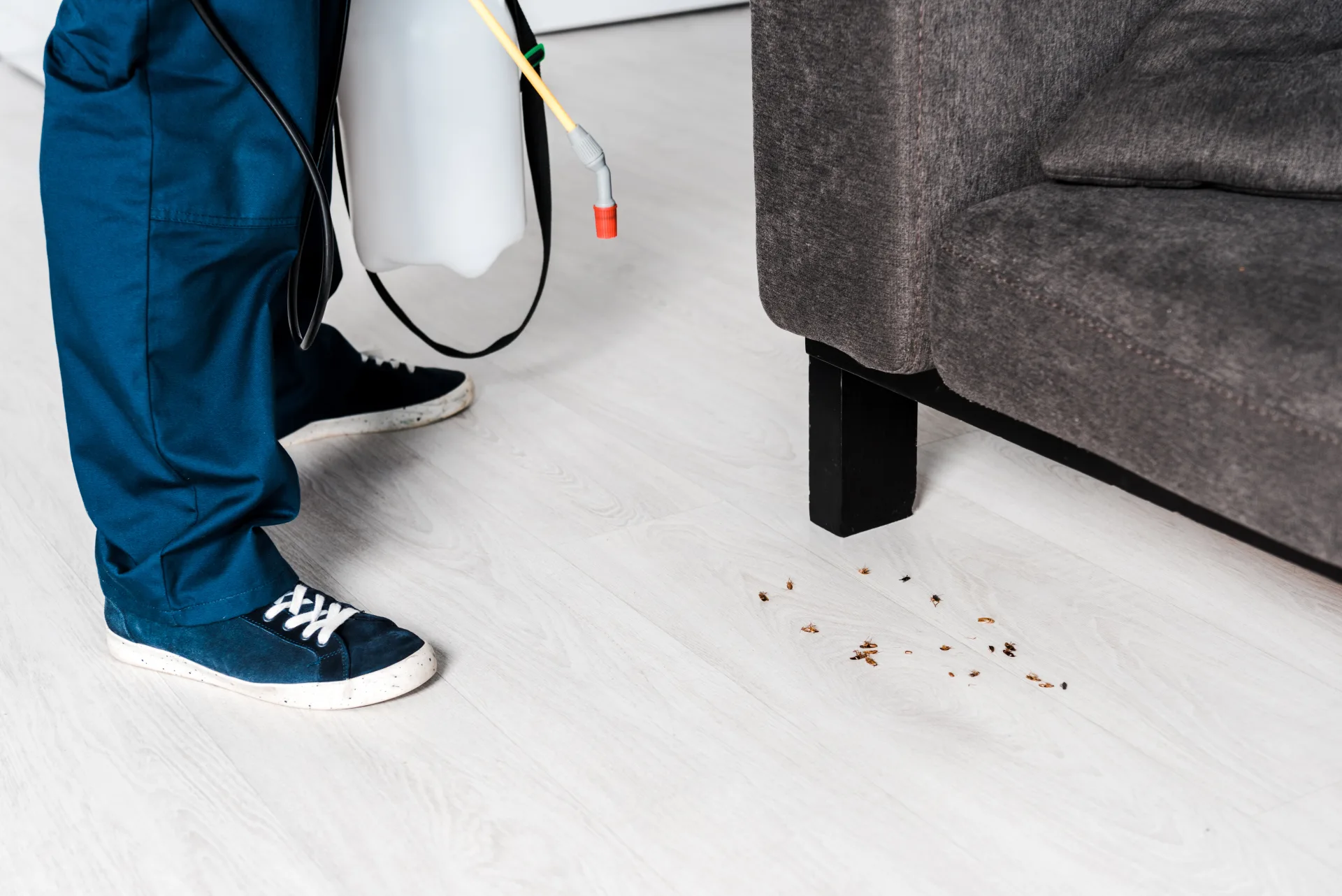
Medical-Grade Pest Control for Toronto Healthcare Facilities
IPAC-aligned pest management with the documentation your facility requires. Get a healthcare-specific program proposal from Bugsway.
Zero-Tolerance Pest Standards in Healthcare Environments
Canadian healthcare standards — including Accreditation Canada's Qmentum program and PIDAC (Provincial Infectious Diseases Advisory Committee) guidelines — require that all acute care hospitals, long-term care homes, and assisted living facilities maintain documented integrated pest management programs. These are not optional best practices; they are formal requirements reviewed during accreditation surveys and provincial inspections. A facility without a compliant, documented IPM program risks citation during any scheduled or unannounced survey.
Immunocompromised patients, open wounds, surgical sites, and sterile environments make any pest activity a patient safety incident — not merely a nuisance. Cockroaches are documented vectors for Salmonella enterica and Escherichia coli, both of which can be fatal in post-surgical or oncology patients. Rodents spread Hantavirus pulmonary syndrome and Leptospirosis through urine contamination of surfaces and materials. A single Pharaoh ant colony nesting inside wound dressing storage represents a direct infection control failure with reportable consequences.
Bugsway's healthcare protocol is built around these realities. Our technicians use only low-volatility, non-pyrethroid formulations with Health Canada DIN registration and HSP (Healthcare Sensitive Person) designations where required in patient care areas. Product selection is reviewed prior to every service visit against the facility's current patient population and care zones to ensure full IPAC alignment at all times.
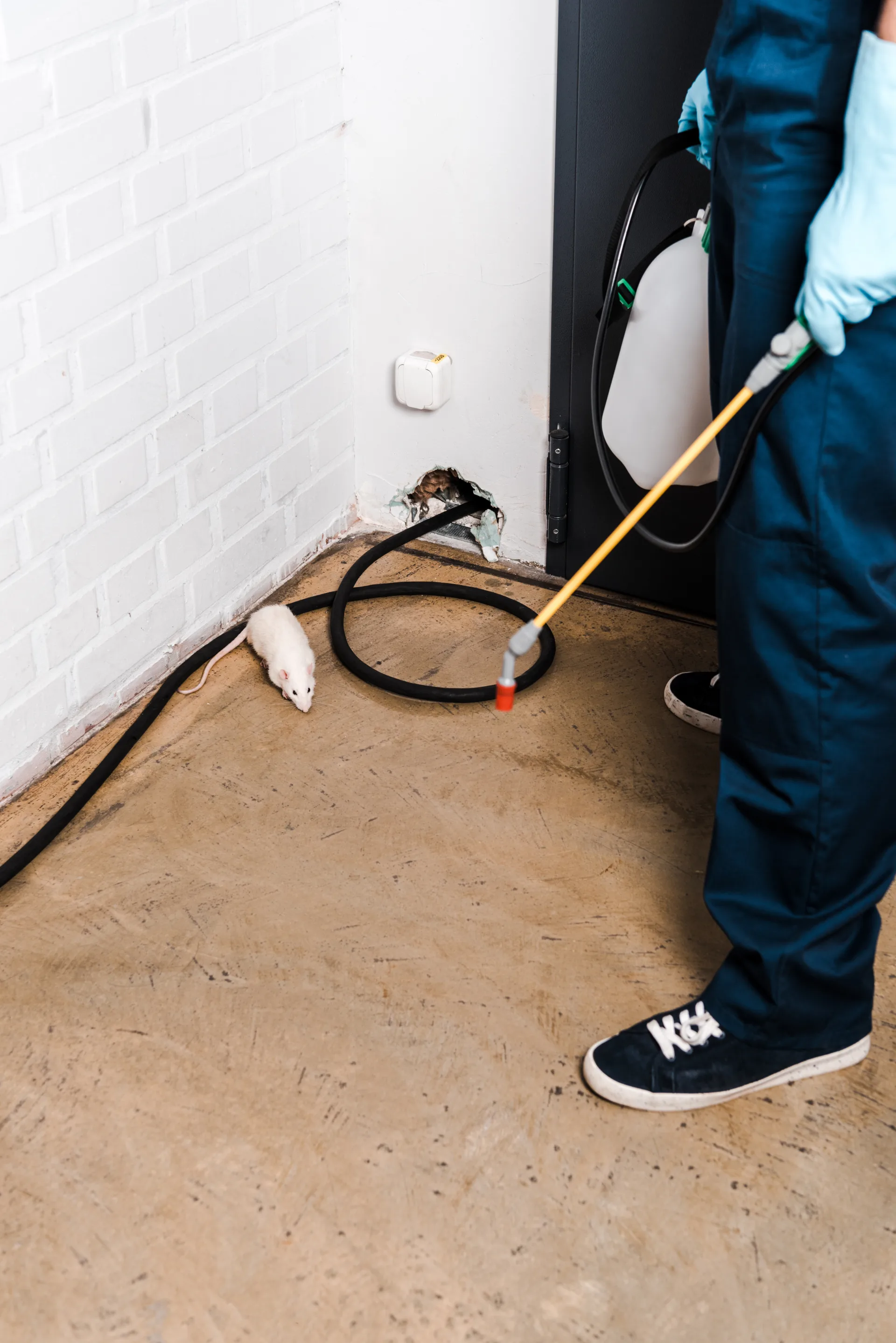
Common Pest Risks in Toronto Healthcare Facilities
Pharaoh ants (Monomorium pharaonis) are among the most notorious healthcare pests in North America and are well established in Toronto-area hospitals and long-term care homes. Unlike most ant species, Pharaoh ants actively colonize inside heated buildings year-round, nesting within wall voids and traveling through plumbing and electrical conduits. They have been documented inside IV tubing, sterile wound dressings, and sealed medical packaging — each representing a direct patient safety event. Critically, Pharaoh ant infestations must be treated exclusively with bait products; applying any spray or aerosol causes the colony to scatter and fragment, dramatically worsening the infestation.
German cockroaches spread through healthcare facilities via laundry delivery carts, food service trolleys, and staff belongings. They establish rapidly in break rooms, serveries, and soiled utility rooms. Rodents enter through utility corridors, loading dock gaps, and mechanical room penetrations; once inside they gnaw on electrical wiring, medical equipment cabling, and plumbing insulation, creating both infection control hazards and workplace safety risks.
Bed bugs are introduced by patients admitted from infested home environments or personal care homes — arriving on clothing, personal items, and mobility aids. Cluster flies enter facilities through rooftop HVAC intakes during the fall overwintering period, accumulating in ceiling voids and treatment rooms. Each of these pest types requires a distinct, documentation-heavy treatment approach with specific product restrictions, scheduling protocols, and post-treatment monitoring requirements.
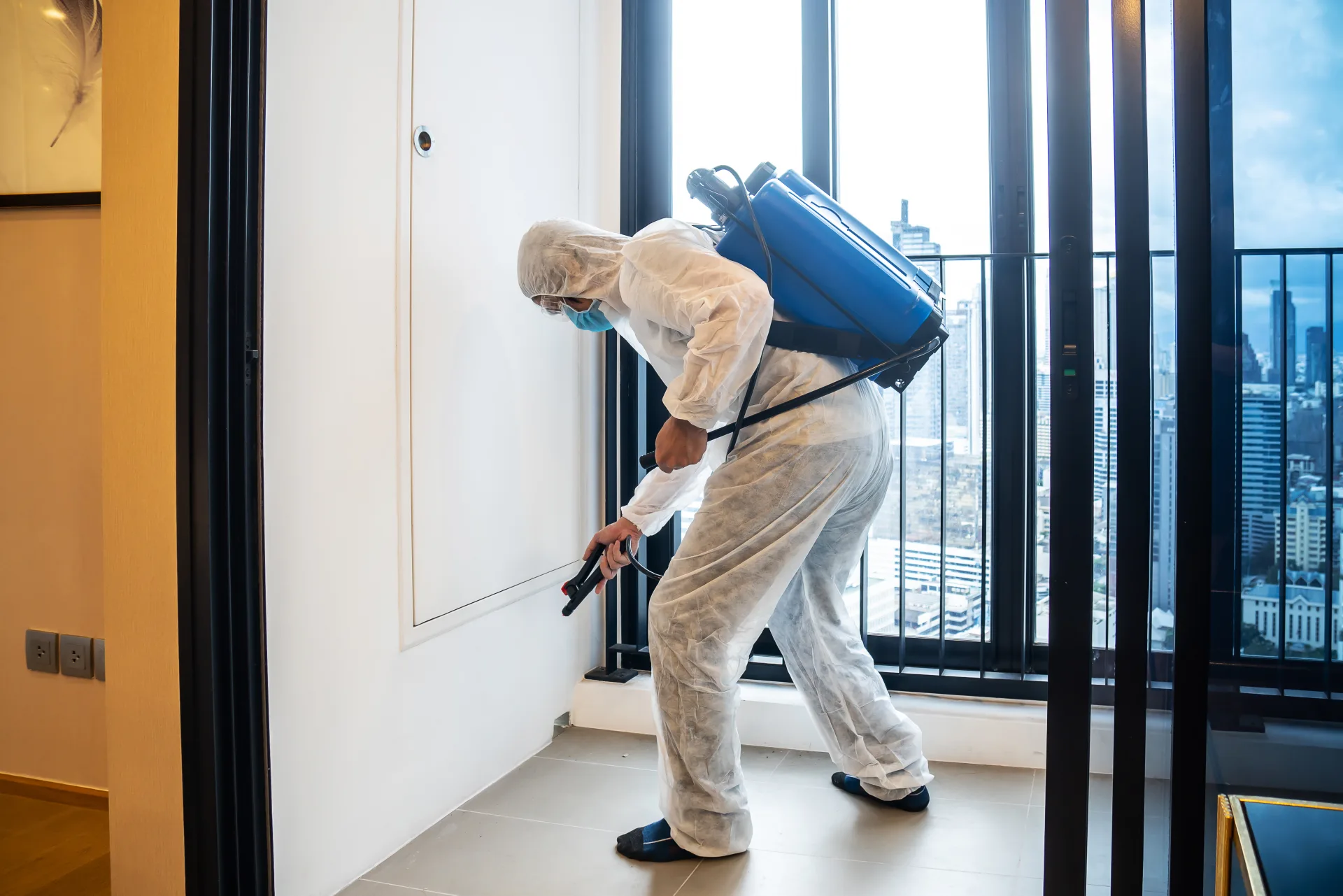
Our Healthcare-Specific Treatment Protocol
Every Bugsway healthcare service engagement begins with a pre-service walkthrough conducted alongside the facility's Infection Control Practitioner (ICP). This walkthrough establishes treatment zones, identifies restricted patient care areas requiring HSP-designated products, and documents any active pest findings for inclusion in the facility's infection control records. No treatment commences without ICP sign-off on the proposed approach and product list.
Our restricted healthcare product list prohibits pyrethroids in all patient care areas and aerosol applications near respiratory patients or oxygen delivery equipment. Gel bait applications are placed exclusively inside cabinet voids, wall gaps, and concealed harborage zones — never on open surfaces in patient contact areas. All treatment zones are mapped on facility floor plans and submitted to the Infection Control department prior to each service visit. Service certificates are formatted specifically for Accreditation Canada Qmentum mock surveys and Ontario LTC inspection requirements, ensuring your documentation is audit-ready at all times.
Staff training on pest identification and early reporting is included with every healthcare contract. Early detection by nursing and housekeeping staff is the single most effective tool for preventing minor pest activity from escalating into a reportable incident. Bugsway provides laminated pest identification reference cards, a digital pest reporting protocol, and a direct technician contact line for your Infection Control team's use between scheduled service visits.

Pest Control Compliance for Ontario Healthcare Facilities
Ontario healthcare facilities operate under overlapping regulatory frameworks that impose strict requirements on pest management programs. The Public Hospitals Act, the Long-Term Care Homes Act, and Accreditation Canada's Qmentum standards each address pest control directly or through infection prevention and control requirements — and compliance auditors are increasingly sophisticated in evaluating whether a facility's pest management program meets the written standard or merely approximates it. Facilities that cannot produce a current, documented IPM program during an unannounced inspection face citation risk regardless of whether any active pest activity is present.
IPAC (Infection Prevention and Control) guidance from Ontario's PIDAC committee establishes a no-tolerance standard for rodents and cockroaches in any area of a healthcare facility — not just patient care areas. A single Norway rat detected in a facility's loading dock area or mechanical room is a notifiable IPAC event requiring documented corrective action. German cockroaches discovered in a hospital servery or long-term care home kitchen are treated as a potential pathogen-transmission incident, not merely a pest nuisance. These standards reflect the genuine infection risk that pest activity poses in environments where immunocompromised patients, open wounds, and medical equipment create transmission pathways that do not exist in other commercial settings.
Bugsway's healthcare program incorporates these regulatory realities into every aspect of service delivery. Our healthcare technicians receive specific training on IPAC protocols and healthcare facility access requirements. Service scheduling accommodates the 24-hour operational nature of hospitals and care facilities — treatments can be conducted at any hour in coordination with the infection control and facilities management teams. Program pricing for Ontario healthcare facilities ranges from approximately $500 to $2,000 per month depending on facility size, number of care units, and service frequency required under the facility's accreditation program. A written IPM program document is included with every healthcare account at no additional cost.
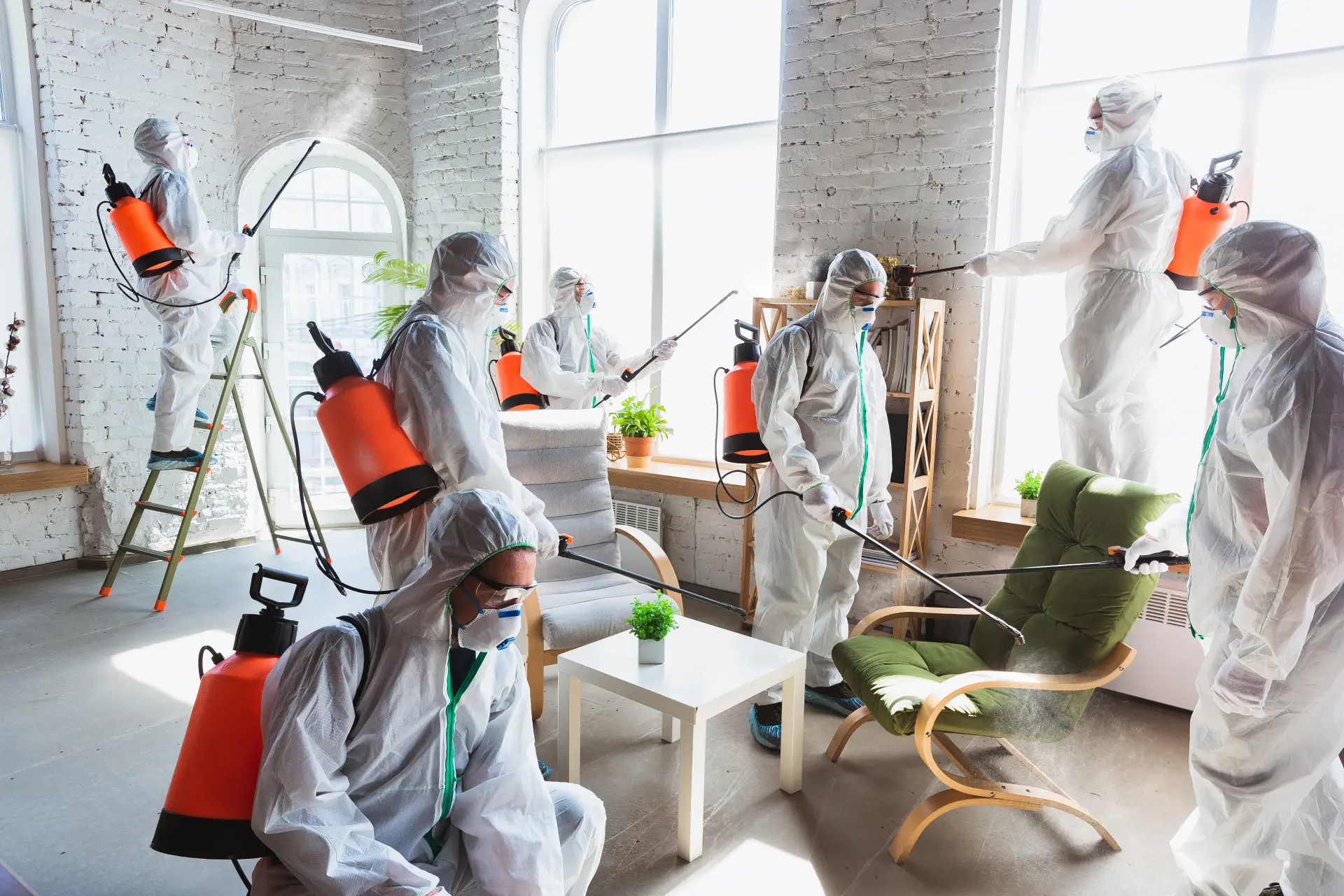
Our Healthcare Pest Control Treatment Protocol
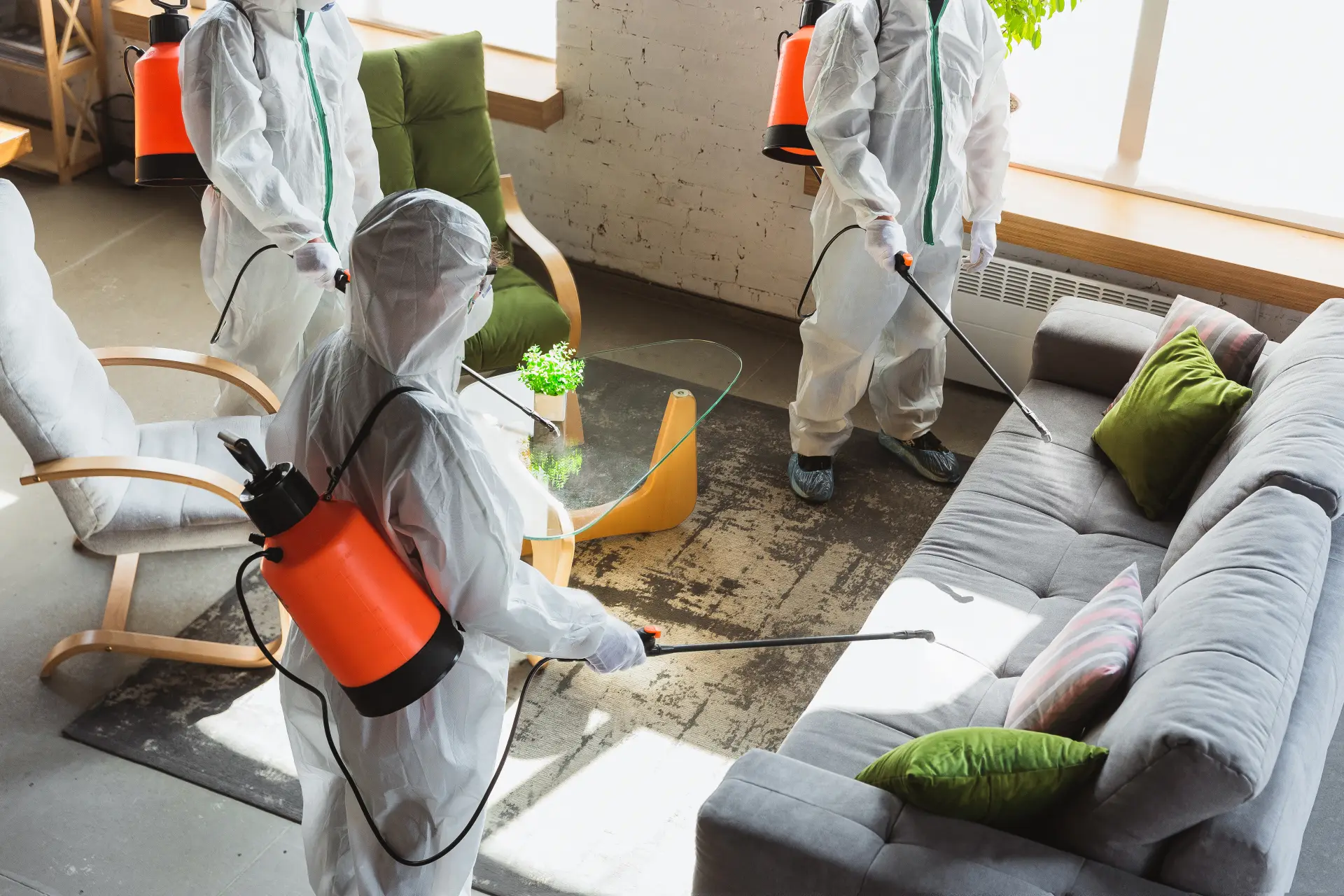
Bugsway's healthcare pest control treatment protocol is structured around the Integrated Pest Management (IPM) framework required by Accreditation Canada and PIDAC guidelines. Every treatment visit begins with a systematic inspection of all pest-risk zones mapped in the facility's IPM program — patient room corridors, servery and dietary areas, laundry intake zones, loading dock and receiving areas, mechanical rooms, and waste management spaces. Findings are recorded in real time using our digital inspection platform, producing a timestamped record that satisfies the documentation requirements of both scheduled accreditation surveys and unannounced provincial inspections.
Treatment scheduling for clinical and patient care areas is coordinated with the facility's infection control practitioner and charge nursing staff to ensure treatments occur during low-census periods — typically between 11:00 p.m. and 5:00 a.m. in active care units. No aerosol applications are used in clinical areas, respiratory care units, operating suites, or any area where patients with respiratory conditions are present. All products used in patient care zones carry Health Canada DIN registration with Healthcare Sensitive Person (HSP) designations. Gel bait applications are placed exclusively within void spaces — inside cabinet hinges, beneath equipment, and within wall penetrations — never on open surfaces in patient contact areas.
Post-treatment documentation is produced within 24 hours of every service visit and formatted specifically for submission to accreditation bodies and infection control departments. The documentation package includes a technician credentials summary, a list of all products applied with Health Canada registration numbers and Safety Data Sheets, a facility floor plan annotating all treatment zones and monitoring station locations, and a corrective action summary for any findings requiring follow-up by the facilities management team. This documentation structure has been reviewed and accepted by infection control practitioners at multiple GTA hospitals and long-term care homes for use in Accreditation Canada Qmentum submissions and Ontario LTCH inspection responses.
Frequently Asked Questions
Have more questions? Call 416-555-5555.
Are your products safe for use in patient areas?
How do pharaoh ants get into hospitals?
Do you provide documentation for Accreditation Canada surveys?
How do bed bugs get into healthcare facilities?
Can you work in occupied patient areas?
What is an IPM program and do we need one?
Bugsway Healthcare Pest Control: Service Coverage and Guarantee
Bugsway provides licensed commercial pest control for hospitals, long-term care homes, retirement residences, medical clinics, dental offices, and rehabilitation centres throughout the Greater Toronto Area. Our healthcare pest control programs are delivered by technicians with specific training in healthcare facility protocols — including patient confidentiality awareness, infection control corridor management, and documentation procedures aligned with Accreditation Canada and CARF standards. All technicians carry valid Ontario Exterminator Licences and Bugsway maintains $5 million commercial liability coverage, meeting or exceeding the insurance requirements of most hospital procurement departments and LTC operators.
Healthcare facilities in Toronto, Mississauga, Brampton, and Burlington receive dedicated account management — a single point of contact for scheduling, documentation requests, and emergency service. Routine visits can be scheduled during off-hours to avoid disruption to clinical operations. Our written service reports include all information required for inspection readiness under the Long-Term Care Homes Act and the Public Hospitals Act. Monthly, bimonthly, and quarterly program schedules are available based on facility type and regulatory requirements. Contact Bugsway to schedule a complimentary site assessment and receive a written healthcare pest control program proposal for your facility.
Bugsway's healthcare pest control team understands that patient safety, visitor confidence, and accreditation standing depend on a zero-tolerance pest management environment. Our technicians complete site-specific orientation before their first visit, follow facility infection control protocols, and maintain documentation that meets the detailed record-keeping expectations of Accreditation Canada surveys and Ministry of Health compliance reviews. Ask about our dedicated healthcare account management service when you call.