Bed Bug Chemical Treatment
Toronto & GTA
Bugsway's professional chemical bed bug treatment uses a combination of registered insecticides applied across 2–3 strategic visits to eliminate all bed bug life stages — effective, affordable, and available throughout Toronto and the GTA.
How Bed Bug Chemical Treatment Works
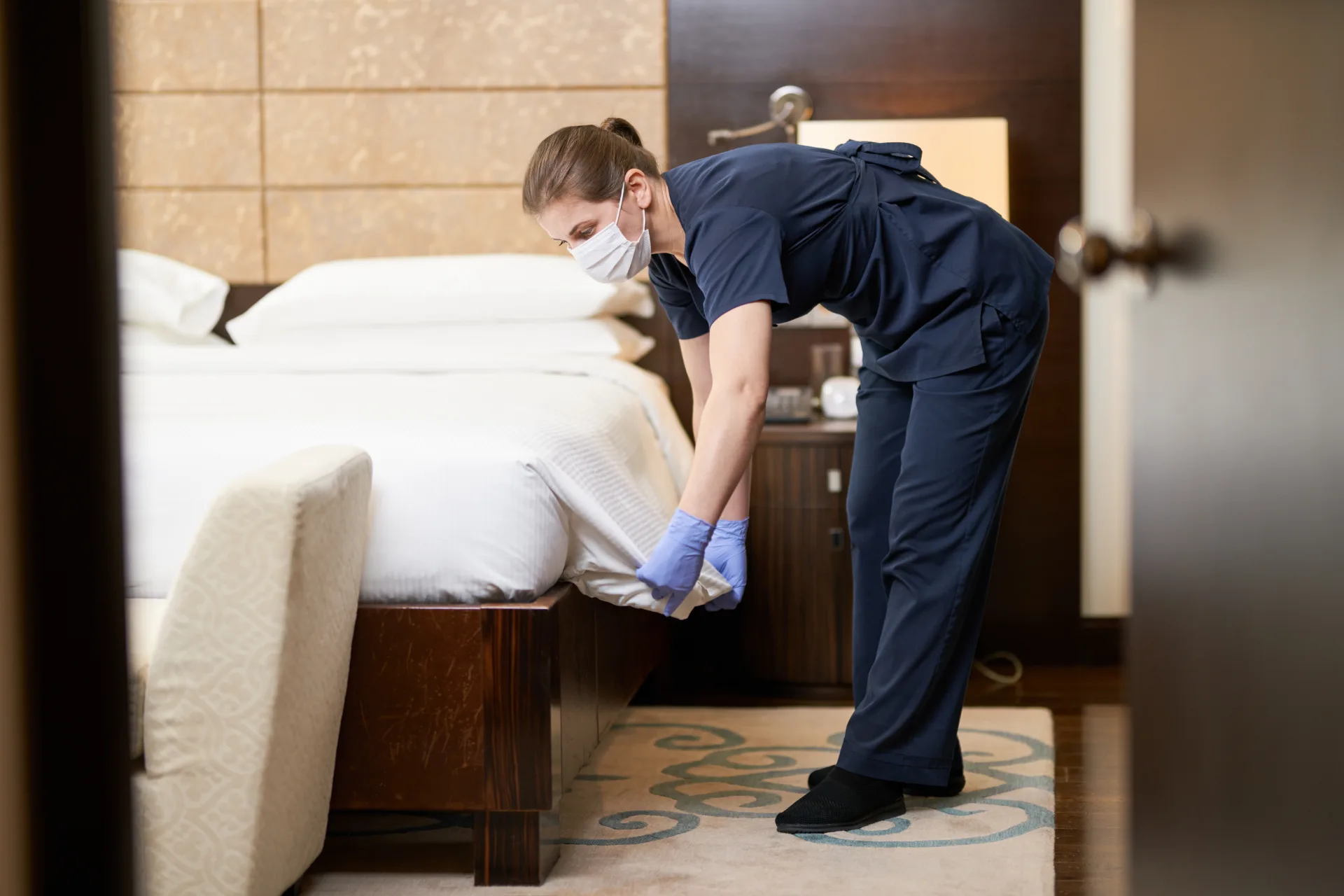
Bed bug chemical treatment is a systematic programme using multiple Health Canada PMRA-registered insecticide formulations applied strategically to all identified bed bug harborage areas across 2–3 treatment visits. Unlike a single-spray approach, professional chemical treatment combines contact insecticides (for immediate knock-down), residual insecticides (for continued killing over 30–90 days), and desiccant dusts (for long-term structural protection in wall voids and electrical outlets) to address the full spectrum of bed bug life stages and activity locations.
The 2-week interval between treatment visits is critical and scientifically based. No currently registered insecticide has ovicidal activity — meaning eggs are not killed by chemical exposure. Bed bug eggs hatch in approximately 6–10 days at room temperature. The first treatment visit kills all active adults and nymphs. Fourteen days later, the second visit targets the new generation of nymphs that have hatched from eggs since the first treatment and are now exposed to the residual insecticide environment. This staged approach ensures that no life stage escapes treatment.
Toronto's bed bug population includes pyrethroid-resistant strains, particularly in high-density housing areas including Regent Park, Alexandra Park, and older apartment stock in Scarborough and North York. Bugsway addresses resistance by using multi-class treatment protocols — combining pyrethroids, neonicotinoids (different mode of action), and desiccant dusts so that individuals resistant to one chemical class are still eliminated by another. This resistance management approach is endorsed by Health Canada and is essential for effective treatment in Toronto's established bed bug populations.
For guidance on when chemical treatment is most appropriate versus heat treatment, consult Health Canada's bed bug resources or book a Bugsway inspection to receive a professional recommendation tailored to your infestation and property type.
Why Professional Chemical Treatment Is Essential for Bed Bugs
Retail bed bug sprays available at Toronto hardware stores are repellent-based — they drive bed bugs away from treated surfaces rather than eliminating them, causing bed bugs to disperse to new hiding locations throughout the unit or into adjacent rooms. This dispersion effect often worsens infestations by spreading bed bugs to previously uninfested areas. Professional non-repellent formulations allow bed bugs to continue traveling through treated areas, receiving lethal doses over time.
Product selection, application rates, and application locations for bed bug treatment must comply with Ontario's Pesticides Act and PMRA product label requirements. Professional pesticide applicators are licensed under Ontario Regulation 63/09 and receive product-specific training that ensures both effectiveness and safety. Using commercial-grade insecticides without a licence is a legal offence in Ontario and creates health risks for occupants.
The preparation required for effective chemical treatment is substantial, and many DIY attempts fail because preparation is incomplete. Bed bugs in improperly prepared spaces — clutter under beds, items not removed from closets, furniture not accessible for treatment — escape chemical contact and survive to re-infest. Bugsway provides detailed pre-treatment preparation instructions and verification during the treatment visit to ensure optimal treatment conditions are met.
For Toronto residents in multi-unit buildings, professional chemical treatment provides documented service records that can be shared with building management and adjacent unit owners — essential for coordinating building-wide treatment programmes that address the root cause of recurring infestations in high-rise buildings.

What's Included in Our Chemical Bed Bug Treatment
Pre-Treatment Inspection
Initial inspection confirming infestation extent, identifying all harborage locations, and determining optimal treatment protocol and number of visits required.
Multi-Class Insecticide Application
Combination of residual pyrethroid/neonicotinoid spray and contact insecticide applied to all mattress seams, furniture joints, baseboards, and identified harborage areas.
Desiccant Dust Treatment
Application of silica gel or diatomaceous earth dust to wall voids, electrical outlets, and floor voids for long-term residual bed bug control independent of chemical resistance.
Follow-Up Treatment Visits
Second and third treatment visits at 2-week intervals to target newly hatched nymphs from eggs that survived the initial treatment, completing the full elimination cycle.
Preparation Checklist & Support
Detailed preparation checklist provided 48 hours before each treatment visit, with client support available by phone to clarify requirements and answer questions.
30-Day Guarantee
Full 30-day re-treatment guarantee from the date of final treatment visit. If live bed bugs are found within 30 days, we return at no additional charge.
Affordable, Effective Bed Bug Chemical Treatment
Professional multi-visit programme using registered insecticides with 30-day guarantee. Serving all Toronto and GTA communities.
Our Chemical Bed Bug Treatment Process — Step by Step
Step 1 — Inspection & Treatment Planning: Our technician inspects all bedroom and living areas, confirming active bed bug infestation, mapping all harborage locations, and assessing the scope and likely treatment duration. Based on infestation extent, we recommend a 2-visit or 3-visit programme and provide the preparation checklist for your first treatment visit.
Step 2 — Preparation (Client): 48 hours before treatment, you launder all bedding, pillowcases, and curtains on high heat. Bag cleaned items in sealed plastic bags until after treatment. Clear under-bed areas, remove items from closet floors, and provide clear access to all furniture. These steps are essential for treatment effectiveness — partially prepared spaces significantly reduce success rates.
Step 3 — Treatment Visit 1: Your technician applies a multi-class insecticide treatment to all identified harborage areas: mattress seams, box spring seams and interior, bed frame joints, headboard, nightstand drawers, baseboard crevices, and any other identified locations. Desiccant dust is applied to wall voids and electrical outlets. The treatment takes 60–90 minutes. You vacate for 4 hours to allow product drying.
Step 4 — Treatment Visit 2 (Day 14): The follow-up treatment visit targets nymphs that have hatched from eggs since visit 1. The technician inspects for activity, applies a fresh coat of residual insecticide to all previously treated harborage areas, and assesses the reduction in infestation level. For most infestations, this visit shows dramatic reduction in activity.
Step 5 — Final Assessment (Day 28): The third visit (if scheduled) confirms elimination and applies supplemental treatment to any residual activity areas. A written clearance report is provided if no live activity is found. Your 30-day guarantee period runs from this date.
Bed Bug Chemical Treatment Pricing in Toronto
All-inclusive pricing covering all treatment visits. No hidden fees. HST included.
1-bedroom unit, 2-visit programme
- Inspection + 2 treatment visits
- Multi-class insecticide protocol
- Desiccant dust application
- 30-day guarantee
2–3 bedroom home, 3-visit programme
- Inspection + 3 treatment visits
- Resistance management protocol
- Multi-room treatment
- 30-day guarantee
Why Choose Bugsway for Bed Bug Chemical Treatment
Bugsway has treated thousands of bed bug infestations across Toronto's diverse housing stock, from downtown condominiums to Scarborough bungalows, and from luxury Yorkville apartments to TCHC social housing buildings. This experience has given us deep insight into the specific bed bug strains, resistance patterns, and harborage preferences common in different Toronto neighbourhoods and building types.
Our chemical treatment protocol is built on resistance management principles. We rotate between insecticide classes across treatment visits and use desiccant dusts as a resistance-independent component of every programme. This approach ensures effective results even in neighbourhoods where pyrethroid-resistant bed bug populations have been documented. We document all products used with PMRA registration numbers in your service report, providing a complete treatment record.
We offer both chemical and heat treatment options without financial incentive to push one over the other. Chemical treatment is genuinely the right choice in many scenarios: early-stage infestations, cost-sensitive situations, properties with high volumes of heat-sensitive items, or buildings where industrial electrical capacity for heat equipment is not available. Our objective inspection service helps you make the right choice for your specific situation.
For a complete view of our bed bug services, visit our bed bug treatment overview. We also offer heat treatment and bed bug inspection services.
Start Your Bed Bug Chemical Treatment Programme Today
Professional multi-visit treatment with 30-day guarantee. Serving all Toronto and GTA communities. Same-week appointments available.
Related Bed Bug Treatment Services
Heat Treatment
Single-day thermal elimination killing 100% of bed bugs including eggs. No chemicals, same-day re-occupancy.
Learn MoreBed Bug Inspection
Professional inspection to confirm bed bug infestation and identify all harborage areas before selecting treatment method.
Learn MoreAll Bed Bug Services
Browse Bugsway's complete bed bug programme for Toronto condos, houses, and commercial properties.
View AllBed Bug Chemical Treatment — Frequently Asked Questions
How many chemical treatments are needed for bed bugs?
Most bed bug infestations require 2–3 chemical treatment visits spaced 2 weeks apart. The first visit eliminates active adults and nymphs. The second visit (14 days later) targets nymphs that have hatched from eggs since the first treatment. A third visit confirms elimination and treats any residual activity. The 2-week interval is critical because no current insecticide kills bed bug eggs directly.
What chemicals are used in bed bug treatment?
Bugsway uses a combination of Health Canada PMRA-registered insecticide classes, typically including a residual pyrethroid or neonicotinoid applied to harborage areas, a contact insecticide spray for direct-contact kill, and a desiccant dust (diatomaceous earth or silica gel) applied to wall voids and electrical outlets. This multi-class approach addresses insecticide resistance common in Toronto bed bug populations.
How long does chemical treatment take to work?
Contact insecticides kill bed bugs on direct exposure within hours. Residual insecticides continue killing for 30–90 days. Desiccant dusts remain effective indefinitely in dry conditions. Full infestation elimination across all life stages typically takes 4–6 weeks with the 2–3 visit programme, with significant reduction in visible activity after the first treatment visit.
Do I need to prepare differently for chemical vs heat treatment?
Chemical treatment preparation is more intensive than heat treatment. You must launder and bag all clothing and bedding before treatment, clear clutter from under beds and in closets, and vacate for 4 hours after treatment for drying. Our pre-treatment checklist provides complete preparation guidance. This preparation burden is one reason clients with significant belongings often prefer heat treatment.
Is chemical bed bug treatment safe for children and pets?
All products Bugsway uses are Health Canada PMRA registered and applied at label rates. Residents and pets must vacate the treatment space for 4 hours after application to allow product drying. After drying, treated surfaces pose no ongoing risk to children or pets at the exposure levels involved in normal residential use. We provide product information sheets with all treatments.
Can bed bugs develop resistance to chemical treatments?
Yes. Pyrethroid-resistant bed bug populations have been documented in many Canadian cities including Toronto. Bugsway addresses resistance risk by using multi-mode-of-action treatment protocols — combining insecticides from different chemical classes so resistant individuals cannot survive all components. Desiccant dusts, which kill by physical mode of action, are entirely resistance-proof.
When is chemical treatment better than heat treatment?
Chemical treatment may be preferable when: the infestation is mild and caught early, the property has a high volume of heat-sensitive items, building electrical capacity does not support industrial heating equipment, or cost is the primary consideration. Our inspection service helps determine which method is optimal for your specific infestation and property situation.
What happens if bed bugs return after chemical treatment?
Our chemical treatment programme includes a 30-day guarantee from the final treatment visit. If bed bugs return or are found during the follow-up inspection, we return for a complimentary re-treatment. Reinfestation from adjacent units in multi-family buildings is the most common cause of bed bug recurrence, which is why building-wide coordination is important in condominiums and apartments.
How Professional Chemical Bed Bug Treatment Works
Professional chemical bed bug treatment uses a three-part protocol to address all harborage zones and life stages. First, a residual insecticide is applied to all harborage surfaces — mattress seams, bed frame, baseboards, and furniture — providing 3-6 months of residual kill for bugs contacting treated surfaces. Second, crack-and-crevice injection with professional-grade insecticide reaches wall-floor junctions, furniture joints, and outlet boxes that surface sprays cannot penetrate. Third, a non-volatile dust formulation is applied inside wall voids, electrical conduit, and other enclosed spaces, providing long-residual coverage for bugs in inaccessible areas. The combination targets all life stages and harborage zones that a single product type cannot reach.
Chemical treatment uses insecticide rotation — products from different chemical classes applied in successive treatments — to prevent resistance development. German cockroach and bed bug populations in Toronto have developed resistance to many pyrethroid-class insecticides from decades of consumer product use. Professional treatments use pyrethroid alternatives including neonicotinoids, insect growth regulators (IGRs), and non-pyrethroid residuals that are not subject to the same resistance patterns. Bed bug eggs are resistant to most insecticides at typical application rates — this is why chemical treatment requires multiple visits spaced 2 weeks apart, targeting nymphs as they hatch from eggs between treatments.
Chemical Treatment Preparation: A Room-by-Room Guide
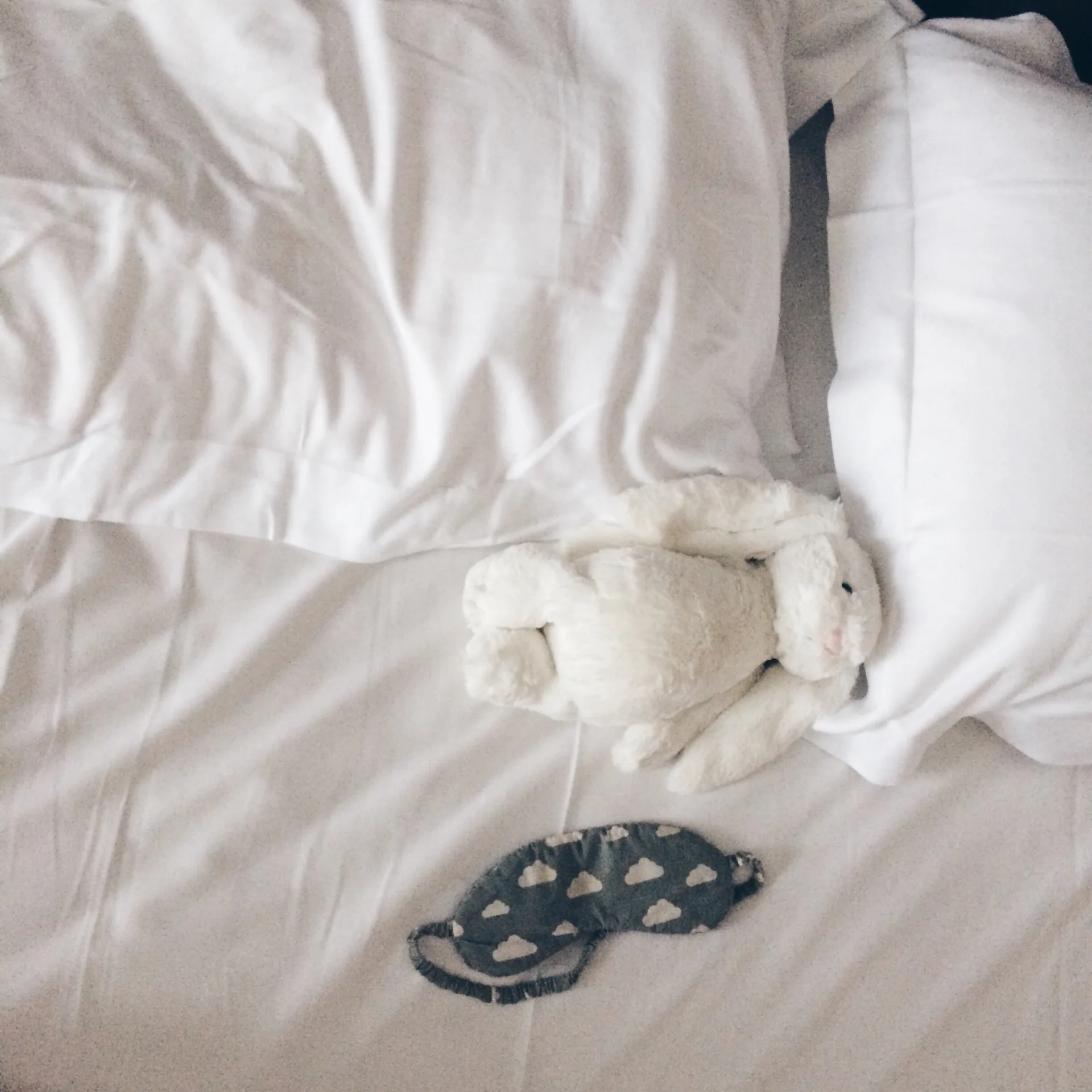
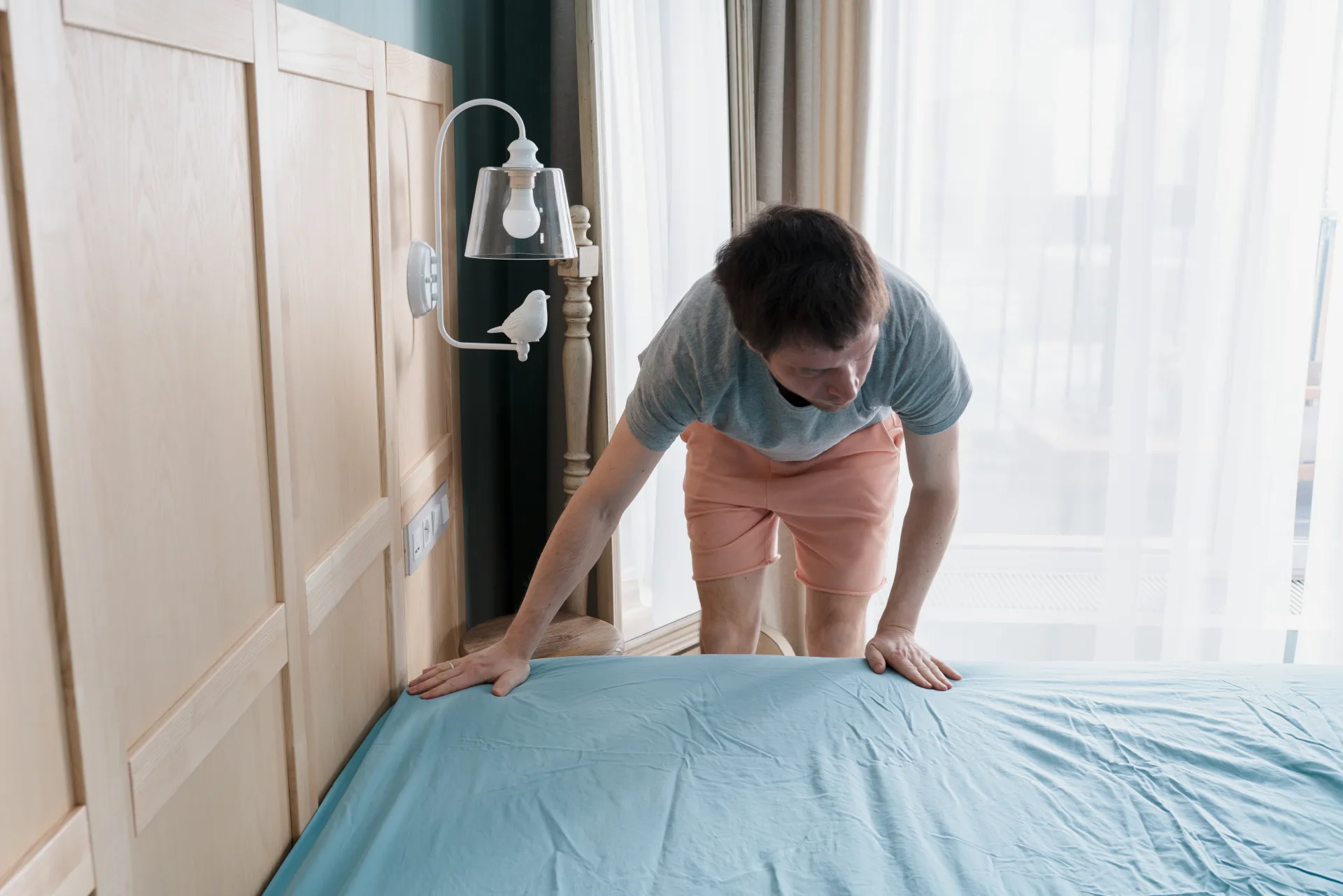
Preparation for bed bug chemical treatment is critical — improperly prepared rooms reduce treatment effectiveness and can result in re-infestation. For the bedroom: launder all bedding, pillow covers, curtains, and clothing from closets on high heat (60°C+) and seal in clean bags immediately after drying; remove all items from under the bed, from nightstands, and from dresser drawers; do not move furniture to other rooms as this spreads bugs; leave wardrobes accessible. For hard-to-wash items — shoes, bags, stuffed animals, dry-clean-only items — they can be placed in sealed bags and brought to a professional heat chamber, or bagged and left in a hot car trunk for 24 hours on a summer day, confirming that the interior temperature reaches 50°C+.
For living areas with upholstered furniture: clear clutter from the floor — books, children's toys, and clothing — to allow access to baseboards and furniture bases. Remove drawer contents from all furniture in infested rooms. Avoid using a vacuum cleaner immediately before treatment as vacuuming can temporarily relocate bugs to new areas. Bugsway provides a detailed preparation checklist tailored to your specific infestation layout after the initial inspection. Failure to prepare adequately is the most common reason a chemical bed bug treatment requires additional follow-up visits beyond the standard 2-3 treatment programme.

After Chemical Treatment: What to Do and What to Avoid
The 30 days following chemical treatment require specific behaviours to maximize effectiveness. Do not wash bedding or launder treated items for 7 days after treatment — washing removes residual insecticide from surfaces where bugs will contact it. Do not vacuum treated baseboards, furniture seams, or floor edges for 7 days. You may see increased bed bug activity in the first 3-7 days after treatment as bugs are flushed from harborage sites and contact treated surfaces — this is a sign the treatment is working. Do not assume the treatment has failed because you see live bugs shortly after the first visit.
Mattress encasements — zippered covers that enclose the entire mattress and box spring — should be installed after chemical treatment of the bed. They trap any surviving bugs inside the encasement where they cannot bite, and encased bugs eventually die of starvation over 3-6 months. Encasements also prevent the mattress from being re-colonized from baseboards and walls during the post-treatment period. Bugsway recommends encasements for all clients after chemical treatment and can supply them at competitive prices. A follow-up inspection is scheduled at 30 days — any live activity found at that point triggers a warranty re-treatment at no additional charge.
Frequently Asked Questions
Questions? Call 416-555-5555
How many chemical treatments are needed to eliminate bed bugs?
Do I need to throw away my mattress before chemical treatment?
Is chemical bed bug treatment safe for children and pets?
Will there be a smell after chemical treatment?
How long do we need to be out of the home?
What if only some rooms in my home are infested — do all rooms need treatment?
Does chemical treatment kill bed bug eggs?
What does the 30-day guarantee cover?
Book Professional Bed Bug Chemical Treatment
Serving all Toronto neighbourhoods and GTA communities. Same-week appointments available. Call now or book online.
Bed Bug Chemical Treatment in the GTA: What to Expect at Your Follow-Up
Bugsway's chemical bed bug treatment protocol includes a mandatory follow-up inspection 14 days after the initial service. This follow-up checks for any egg hatch activity that may have occurred after the initial treatment — bed bug eggs are resistant to most contact insecticides and hatch approximately 7 to 12 days after laying, which is why the follow-up visit is timed to catch newly hatched nymphs before they mature and re-establish the infestation. If activity is found at follow-up, a complimentary retreatment is performed as part of your service guarantee. All chemical treatments across GTA — Toronto, Mississauga, Brampton, Burlington, and surrounding communities — are backed by this protocol. Book your chemical bed bug treatment today by calling Bugsway or visiting the contact page.