Mosquito Barrier Spray
3–4 Weeks of Yard Protection
Reclaim your Toronto yard with professional mosquito barrier spray. Bugsway applies residual insecticide to vegetation, shrubs, and resting sites — creating a treated zone that kills mosquitoes landing in your property for up to 4 weeks per application. Safe for people and pets once dry.
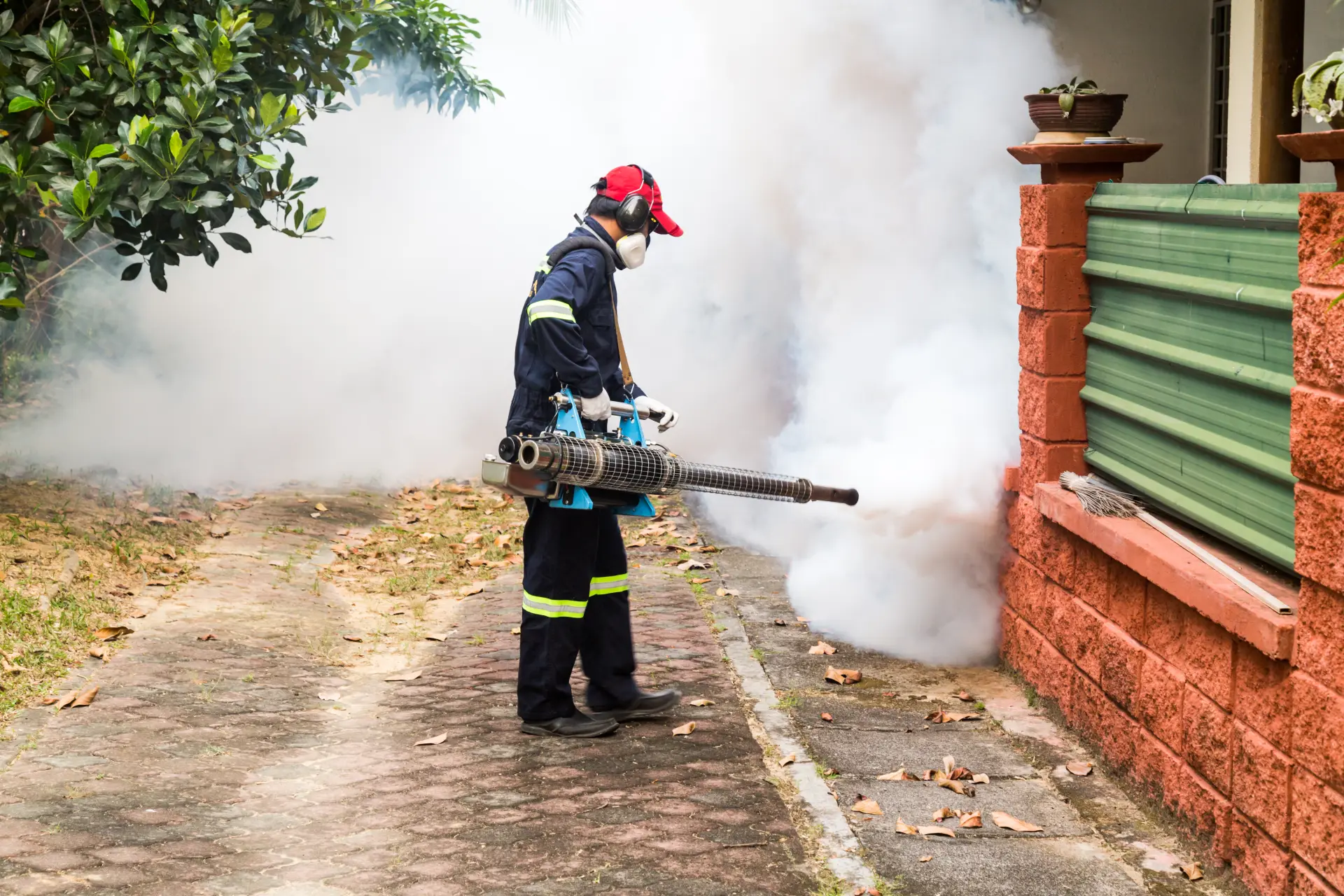
Mosquito Barrier Spray: How Residual Yard Treatment Works
Adult mosquitoes are not constantly flying. Female mosquitoes — the only sex that bites — spend the large majority of their lives resting in vegetation, conserving energy and moisture between blood meals and egg-laying events. During Toronto's warm months, mosquitoes rest in the cool, shaded undersides of leaves, inside dense shrubs, in tall grass and ground cover, and under decks and porches. They emerge primarily at dawn and dusk to feed, then return to these resting sites.
Mosquito barrier spray exploits this resting behavior. A residual insecticide — most commonly a pyrethroid such as bifenthrin, permethrin, or deltamethrin — is applied in diluted form to the foliage, shrubs, and resting sites across your property. When a mosquito lands on treated vegetation, it absorbs the insecticide through its cuticle (the outer surface of its exoskeleton) and through its feet, receiving a lethal dose even from brief contact. The insecticide remains active on foliage for 21–28 days, providing continuous protection without any repeated applications during that window.
The "barrier" terminology describes the treatment's mechanism: rather than killing mosquitoes actively in the air or at the moment they bite, the barrier creates a broad zone of lethal resting habitat across your entire yard. Any mosquito that enters your property and attempts to rest — whether it originated from your own standing water, a neighbor's yard, the nearby ravine, or a park several blocks away — will contact the treated vegetation and die. This makes barrier spray particularly powerful against the significant portion of your mosquito problem that comes from breeding sources outside your property and that no amount of source reduction or larvicide treatment can address.
The active ingredients used in Bugsway's barrier spray program are registered with Health Canada under the Pest Control Products Act for residential outdoor use. Pyrethroids are derived from or modeled on pyrethrins, the natural insecticidal compounds found in chrysanthemum flowers. Synthetic pyrethroids are more stable than natural pyrethrins, providing the residual activity that makes barrier spray effective. Like all registered pesticides, they are used at rates and frequencies specified by the product label and Health Canada approval conditions.
Toronto's mosquito season runs from approximately late April through mid-September, with peak pressure from late June through August. The city's extensive urban tree canopy and garden landscape — which makes Toronto one of the greenest major cities in North America — also creates ideal resting habitat for mosquitoes. Barrier spray treatment turns this characteristic of the Toronto urban landscape from a liability (more resting sites means more mosquito survival) into an asset: a larger treated area means more lethal surface for incoming mosquitoes to contact. Properties with extensive gardens and plantings can achieve better barrier spray results than more hardscaped properties, because the larger treated vegetation area provides more interception points for resting mosquitoes.
Why Professional Barrier Spray Application Delivers Superior Results
Consumer-grade mosquito repellent sprays and yard treatment products are available at hardware stores, but they consistently underperform professional barrier spray services for several fundamental reasons. The difference is not just product quality — it is application technique, coverage thoroughness, timing, product concentration, and the diagnostic knowledge to focus treatment where mosquitoes actually rest.
Application equipment. Professional barrier spray uses powered backpack sprayers or motorized equipment that delivers product at controlled pressure and droplet size. This ensures even coverage of both the top and underside of foliage — the underside of leaves is where mosquitoes actually rest, not the visible top surface. Consumer hand-pump sprayers rarely achieve thorough coverage of leaf undersides, particularly in dense shrubs. Incomplete coverage leaves gaps in the barrier that mosquitoes can exploit.
Product concentration and rate. Professional-grade products are applied at the rates calibrated for optimal residual activity without exceeding Health Canada label requirements. Applying too little insecticide reduces residual duration; applying too much wastes product and can cause phytotoxicity (plant damage). Bugsway technicians are trained in the calculation of correct application rates by foliage density, surface area, and target pest pressure.
Resting site knowledge. Not all vegetation is equally used by mosquitoes as resting habitat. Dense, cool, shaded shrubs are heavily used; open, sunny flower beds are avoided. Ground cover under tree canopy is prime resting habitat; sun-exposed lawn is not. Professional technicians understand mosquito microhabitat preferences and concentrate product on high-use resting sites rather than applying uniformly. This focused approach improves cost-effectiveness and reduces overall product use while achieving better mosquito control.
Timing optimization. Barrier spray is most effective when applied in the early morning or evening — when mosquitoes are active and moving to and from resting sites, maximizing the chance of contact. Application timing also avoids peak pollinator activity (midday when bees are most active on blooms). Bugsway schedules treatments at optimal times of day and avoids application immediately before rain, which would wash product off foliage before it can dry and bind.
Integration with source control. Professional treatment is also integrated with larvicide and fogging services for clients who want comprehensive mosquito management. Rather than treating each service in isolation, Bugsway technicians assess the relative contribution of different mosquito sources to your property's pressure and recommend the combination of treatments that will achieve the best overall reduction for your budget. Our backyard fogging and larvicide treatment services complement barrier spray to address all facets of the mosquito problem.
What Our Barrier Spray Service Includes
Comprehensive residual treatment of all mosquito resting sites across your Toronto property.
Full Property Resting Site Assessment
Systematic identification of all vegetation, shrubs, ground cover, and structural surfaces used by mosquitoes as daytime resting sites. Shapes the treatment plan to concentrate product where it will have the most impact.
Residual Pyrethroid Application
Thorough application of Health Canada-registered residual insecticide to all identified resting sites, including the critical underside of foliage where mosquitoes actually shelter. 21–28 day residual protection per treatment.
Perimeter Barrier Treatment
Concentrated treatment of the property perimeter — the entry zone for mosquitoes flying in from neighboring properties, parks, and ravines. The perimeter barrier intercepts incoming mosquitoes before they establish in your yard's core vegetation.
Deck, Porch & Structure Treatment
Residual treatment of deck and porch undersides, fence lines, and other structural surfaces that provide shaded resting habitat for mosquitoes. Often the primary resting site for mosquitoes near outdoor living spaces.
Pollinator-Safe Application Protocol
All applications follow pollinator protection practices: no treatment of actively blooming plants, early morning or evening timing when bees are less active, and focus on non-flowering vegetation. Protects beneficial insects while targeting mosquitoes.
Re-Treatment Guarantee
If barrier spray protection breaks down early due to unexpected heavy rain (within 24 hours of application), Bugsway provides a complimentary reapplication. We stand behind the effectiveness of our treatment scheduling and application quality.
Our Barrier Spray Treatment Process
A systematic, evidence-based approach to creating a lasting mosquito-free zone in your Toronto yard.
Pre-Treatment Consultation and Scheduling
Before booking, our team gathers property information to estimate treatment time and product requirements: property size, approximate garden and shrub coverage, presence of water features (which are excluded from barrier spray treatment), and history of mosquito pressure. We also review weather forecasts to schedule treatment on a day with at least 24–48 hours of dry weather following application, which is critical for achieving full residual binding. Same-day bookings for pre-event treatments are available subject to weather conditions.
Property Walk-Through and Resting Site Mapping
On arrival, the technician walks the entire property perimeter and interior to map resting sites and identify any areas that should be excluded (blooming plants, vegetable gardens, water features). This walk-through also confirms weather and surface conditions — wet foliage from recent rain reduces product adhesion and should be allowed to dry before treatment. The technician documents the treatment plan, noting all areas to be treated and any areas excluded, so the homeowner has a complete record.
Perimeter Barrier Application
Treatment begins with the property perimeter — the outermost vegetation, hedges, fence lines, and boundary shrubs. This establishes the initial barrier against incoming mosquitoes. The perimeter receives a thorough, overlapping application pattern that ensures complete coverage of both the accessible front surfaces and the dense interior of boundary plantings. Cedar hedges, common in Toronto yards, receive particular attention as they provide excellent mosquito resting habitat year-round due to their density and shade.
Interior Vegetation and Structure Treatment
Working from the perimeter inward, the technician systematically treats all interior resting sites: ornamental shrubs, hostas, ornamental grasses, ground covers (ivy, pachysandra, vinca), tree lower branches, deck and porch undersides, pergola structures, garden shed walls, and fence interiors. Application follows a pattern that ensures both the leaf surface and underside are covered. The technician adjusts spray angle and pressure throughout the treatment to achieve thorough coverage in dense, difficult-to-penetrate plantings.
Drying Period and Post-Treatment Instructions
After completing the application, the technician provides the homeowner with clear post-treatment instructions: the property should remain vacant of people and pets for 30–60 minutes while the product dries on foliage surfaces. Sprinkler irrigation should be held for 24 hours. Children should not play in treated shrub areas for the remainder of the day of treatment (though open lawn areas are fine once the product has dried). Birds and other wildlife can return to the yard freely once the product has dried. The technician answers any questions and confirms the expected re-treatment date.
Seasonal Program Management
For clients on the seasonal barrier spray program, Bugsway manages the entire treatment schedule proactively. We track weather forecasts, contact clients to confirm upcoming appointments, and proactively adjust scheduling when rain events would compromise a planned treatment. We also coordinate barrier spray treatments with any larvicide or fogging services included in the client's program, scheduling treatments in the optimal sequence and timing for maximum integrated effectiveness. At the end of each season, clients receive a summary of the season's treatments and recommendations for the following year.
Understanding Mosquito Resting Behavior in Toronto
Mosquito resting behavior varies by species and time of day. Understanding these patterns allows barrier spray to be targeted for maximum effectiveness.
All three species rest in the vegetation types treated by Bugsway's barrier spray program. Treatment timing and concentration are adjusted based on the predominant species at your property location within Toronto.
Barrier Spray Treatment Pricing
Transparent pricing for residual mosquito barrier spray on Toronto residential and commercial properties.
Single Treatment
One-time barrier spray application
- Full property resting site assessment
- Residual pyrethroid barrier application
- All vegetation and structure types
- Pollinator-safe application protocol
- 21–28 day residual protection
- Event-day rush scheduling available
Seasonal Program
Monthly residual barrier spray, full mosquito season
- Everything in Single Treatment
- Proactive scheduling management
- Wash-off reapplication guarantee
- Weather-optimized scheduling
- Coordinated larvicide + fogging option
- End-of-season program summary
Pricing varies by property size, vegetation density, and location within the Toronto GTA. Contact us for a free assessment and custom quote.
Why Toronto Homeowners Choose Bugsway for Mosquito Barrier Spray
Bugsway has been serving Toronto GTA homeowners and businesses since 2009. Over 15 years of operation in the Toronto market has given us unique knowledge of the mosquito species, breeding patterns, and resting habitat preferences specific to different parts of the city. A property in ravine-adjacent Moore Park faces different mosquito challenges than a Scarborough suburb, and a Beaches-area property near the waterfront faces different challenges than an Etobicoke residential neighbourhood. Our team applies this location-specific knowledge to every barrier spray engagement.
Our approach to barrier spray is integrated with our broader integrated mosquito management philosophy. We don't recommend barrier spray as a standalone solution for clients with significant breeding sources on their own property; we recommend the right combination of larvicide, barrier spray, and fogging based on an honest assessment of where the mosquito pressure is coming from. If your biggest problem is breeding in your own standing water, larvicide is your highest-priority service. If it's incoming mosquitoes from the ravine behind your Rosedale property, barrier spray and fogging are more impactful. Getting the diagnosis right is as important as the treatment itself.
Bugsway technicians hold valid pesticide licenses under Ontario's Pesticides Act and receive ongoing training in application technique, product safety, and integrated pest management practices. We carry comprehensive general and commercial liability insurance, and all service work is fully documented with product names, registration numbers, quantities applied, and treatment areas — providing complete records for property owners who need documentation for disclosure, insurance, or regulatory purposes.
We service all Toronto neighbourhoods and inner suburbs: from the downtown core neighbourhoods of Trinity-Bellwoods, Little Portugal, and Cabbagetown, to the midtown areas of Midtown, Summerhill, and Forest Hill, to the suburban communities of North York, Willowdale, Scarborough, and Etobicoke. If you are in the Toronto GTA and experiencing mosquito pressure in your yard, Bugsway has the expertise and products to provide meaningful, documented improvement in your outdoor quality of life throughout the mosquito season.
Complete Mosquito Control Services
Barrier spray delivers maximum results when combined with source control and adult fogging. Explore our complementary mosquito services.
Larvicide Treatment
Biological Bti larvicide applied to standing water to eliminate mosquitoes at the larval stage — before they can hatch and fly. The source-control complement to barrier spray's adult resting site treatment.
Learn About LarvicideBackyard Fogging
ULV fogging for immediate adult mosquito knockdown. Ideal for events and high-pressure periods when you need same-day results. Pairs naturally with barrier spray for events hosted in regularly treated yards.
Learn About FoggingFull Mosquito Control Program
Our most effective approach: larvicide + barrier spray + fogging coordinated into a comprehensive seasonal program. Covers all life stages, all infestation pathways, and all property types throughout the Toronto mosquito season.
View Full ProgramBarrier Spray FAQ
Common questions from Toronto homeowners about mosquito barrier spray treatment.
What is mosquito barrier spray and how does it work?
How long does barrier spray protection last?
Are the products used in barrier spray safe for people and pets?
Will barrier spray affect pollinators or beneficial insects?
Does barrier spray work on mosquitoes coming from outside my property?
What areas of the yard are treated with barrier spray?
How many treatments per season do I need in Toronto?
Do I need to do anything to prepare my yard before a barrier spray treatment?
Take Back Your Yard This Season
Contact Bugsway today to schedule a mosquito barrier spray treatment for your Toronto property. Same-week appointments available. Serving the GTA since 2009.
Licensed under Ontario's Pesticides Act · Health Canada-registered products · Serving Toronto GTA since 2009
How Mosquito Barrier Spray Creates a Protected Zone
Mosquito barrier spray applies a micro-encapsulated insecticide to the surfaces of vegetation — leaves, branches, and grass blades — where mosquitoes rest during daylight hours. Female mosquitoes are active primarily at dawn and dusk when they seek blood meals, but they spend the majority of their time resting on vegetation in shaded, humid areas. Barrier spray deposits insecticide on these resting surfaces — when a mosquito lands, it contacts the active ingredient at a lethal concentration. The micro-encapsulation process slows insecticide release from the capsule walls, extending the effective period to 21-28 days per application.
The primary targets for barrier spray application are: dense shrubs and hedge rows along property edges, ground-level vegetation in shade, under deck framing, thick grass at lawn borders, and the underside of large deciduous shrub leaves where mosquitoes rest in shade. Open lawn areas in direct sunlight have minimal resting mosquito populations — barrier spray is most effective in the shaded, vegetated edges and structures where mosquitoes actually concentrate. An experienced technician identifies and prioritizes high-resting-density areas rather than simply spraying all vegetation uniformly, maximizing product effectiveness per square metre.
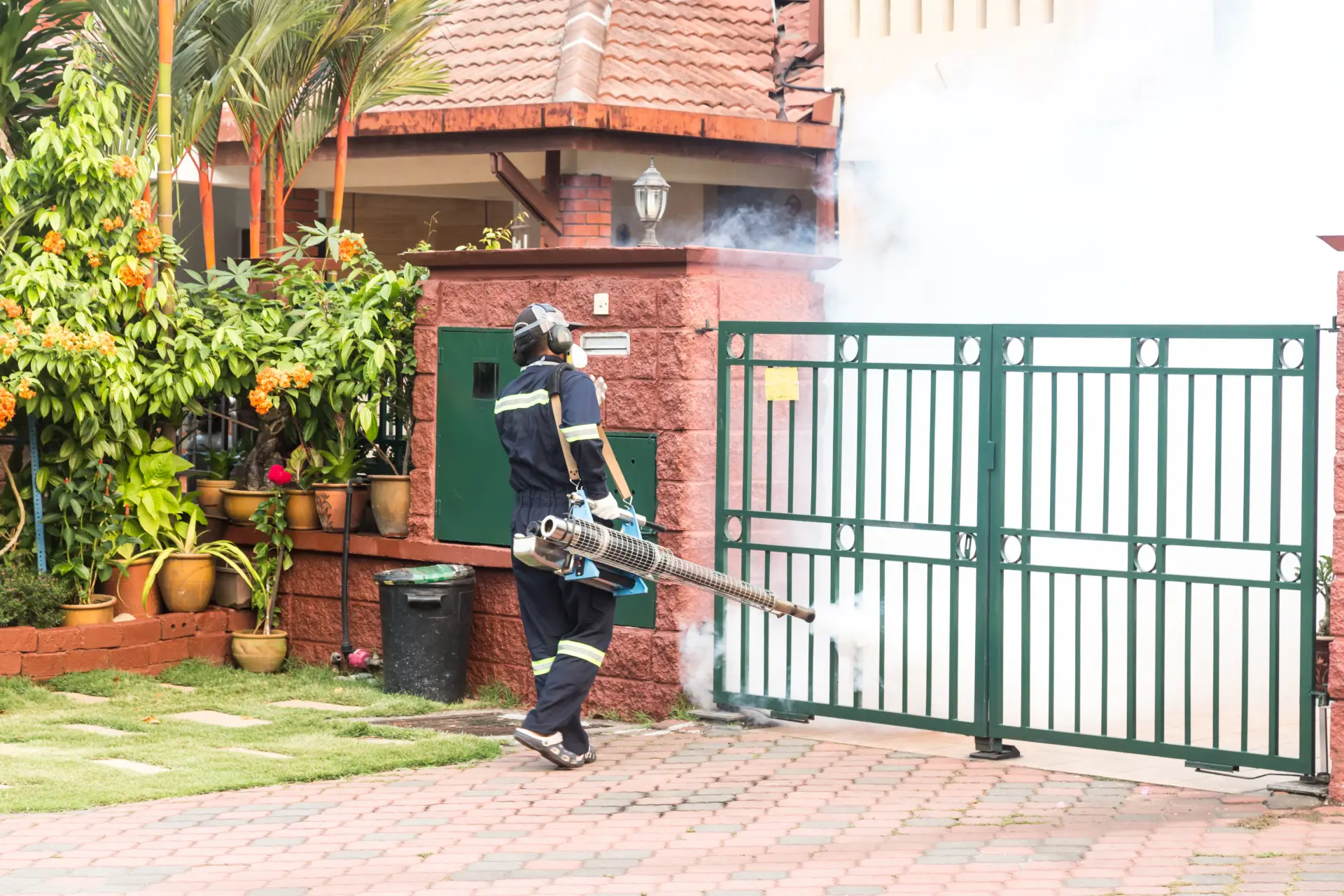
Barrier Spray Application Timing and Frequency for Toronto
In Toronto and the broader GTA, mosquito barrier spray season typically runs from late May through September — aligned with the period when ambient temperatures consistently support mosquito activity (above 10°C). The first application of the season should be made when daytime temperatures have consistently exceeded 15°C for at least 2 weeks (typically the third or fourth week of May). Waiting until mosquito populations are already at peak levels (July-August) means treating after the population has fully established rather than suppressing it before it peaks. Starting the program in late May establishes suppression before the peak season begins.
Barrier spray applications are typically spaced 3-4 weeks apart for season-long protection. Some properties with heavy mosquito pressure from adjacent breeding habitat (ravines, stormwater ponds, wetlands) benefit from 3-week intervals during peak season (June-August). A full season program of 4-6 applications from late May through September provides consistent suppression throughout the outdoor entertaining season. Bugsway's seasonal barrier spray program includes automatic scheduling of repeat applications at the appropriate interval, with text or email notification 48 hours before each visit. Rain within 24 hours of application will prompt a free reapplication.
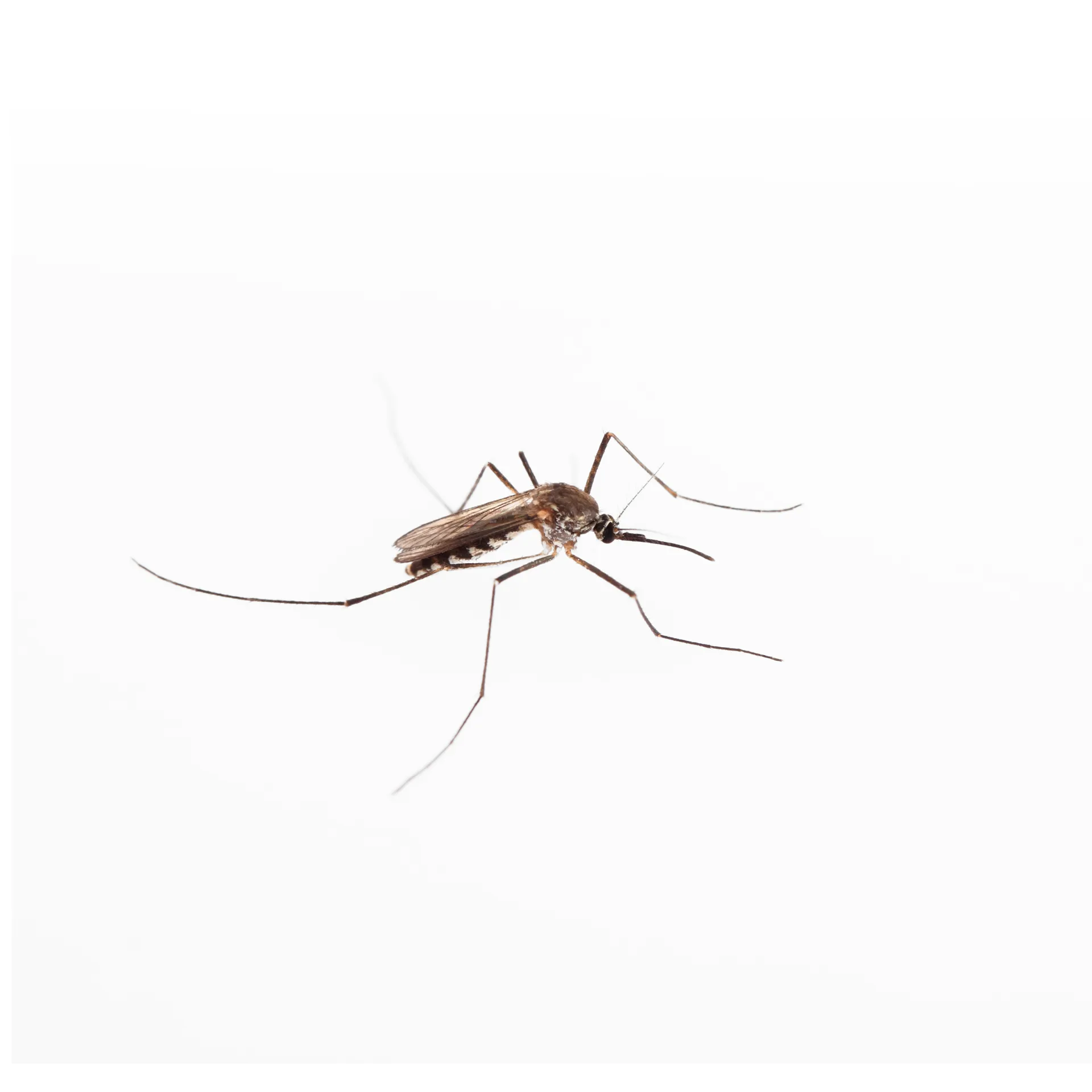
Barrier Spray Safety for Children, Pets, and Pollinators
Barrier spray insecticides used by Bugsway are Health Canada-registered and safe for use in residential environments when applied by licensed technicians following label protocols. Residents and pets should remain away from the treated area during application and for 30 minutes afterward while the product dries. Once surfaces are dry, the insecticide is bound to plant material and poses minimal exposure risk for children playing in treated areas and pets walking on treated grass. Treated vegetation is safe for incidental contact after drying — children playing in a treated yard are not exposed to meaningful insecticide levels.
To protect pollinators, Bugsway avoids direct application to flowering plants during active pollinator activity periods (8am-5pm on warm days). We apply barrier spray in the early morning or evening when bees are inactive and avoid flowers entirely. Ornamental flowering shrubs should be excluded from the treatment zone or treated in the evening after bees have returned to the hive. If your property has productive beehives or significant pollinator habitat, advise us when booking and we will develop a bee-safe application plan. Pyrethrin-based formulations used by Bugsway break down rapidly in UV light — outdoor residual is negligible within 24-48 hours of application.
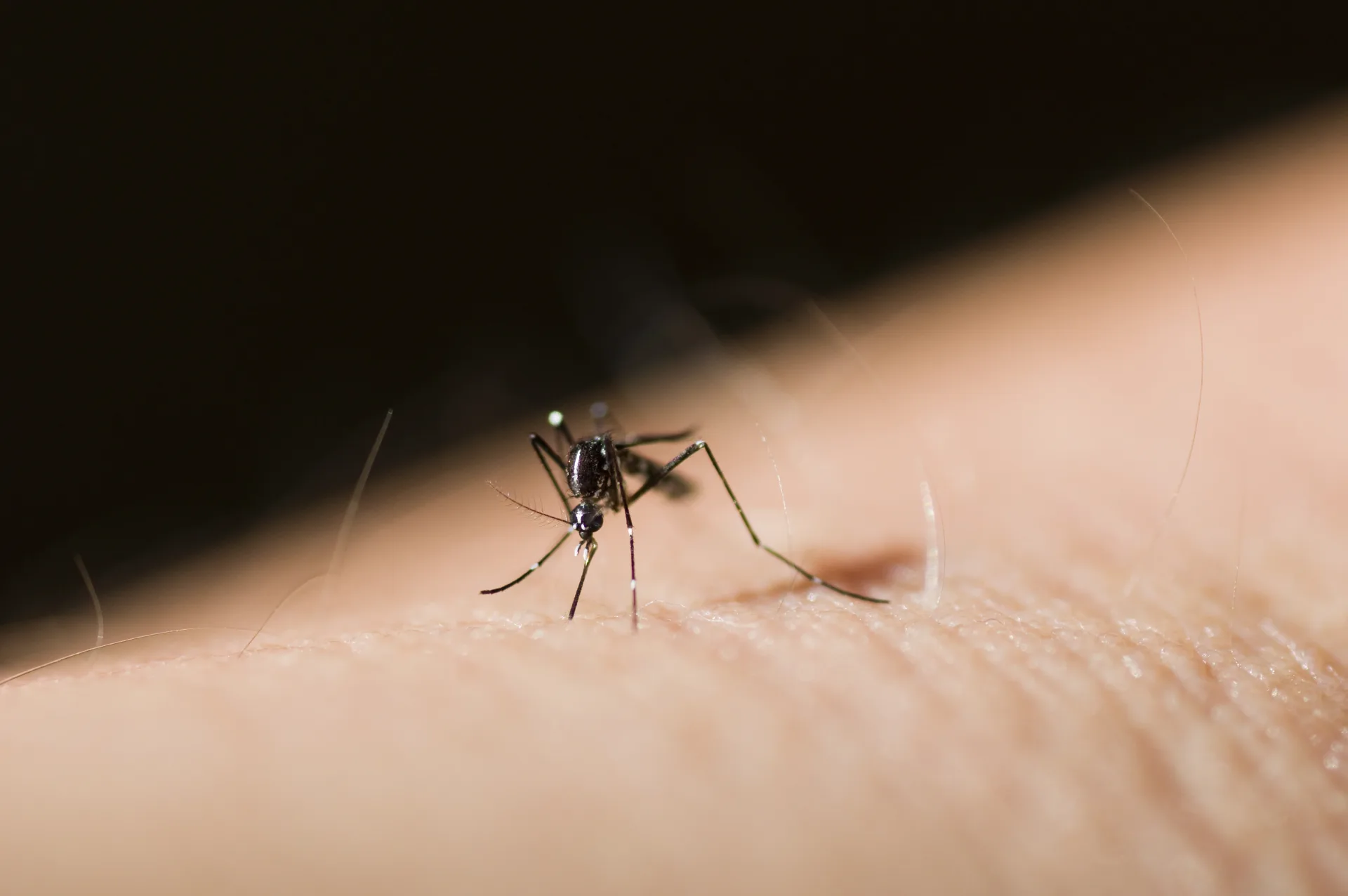
Frequently Asked Questions
Questions? Call 416-555-5555