Same-Day Emergency Service Available — GTA's #1 Rated Pest Control | 📞 416-555-5555

Toronto's Most Common Large Spider

Wolf Spider Removal
Toronto & GTA

Professional control of wolf spiders in Toronto homes. Perimeter residual treatment, exclusion assessment, and prey insect reduction for lasting results. Licensed technicians. Guaranteed.
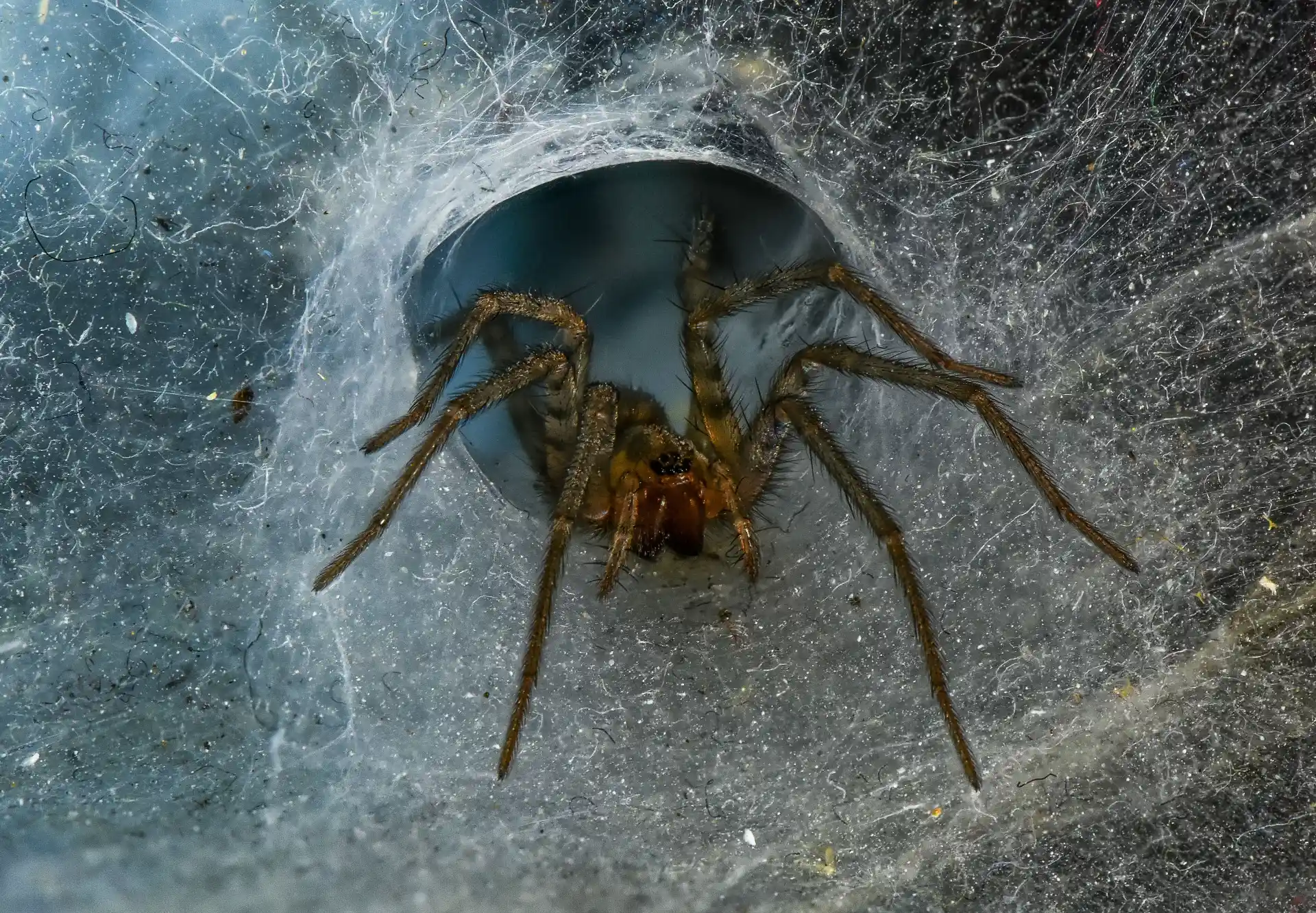
Licensed & Insured
Perimeter Treatment
60-Day Guarantee
Toronto Since 2009
Understanding Ontario's Most Frequently Encountered Large Spider

Wolf Spiders in Toronto: Large, Fast, and Unsettling
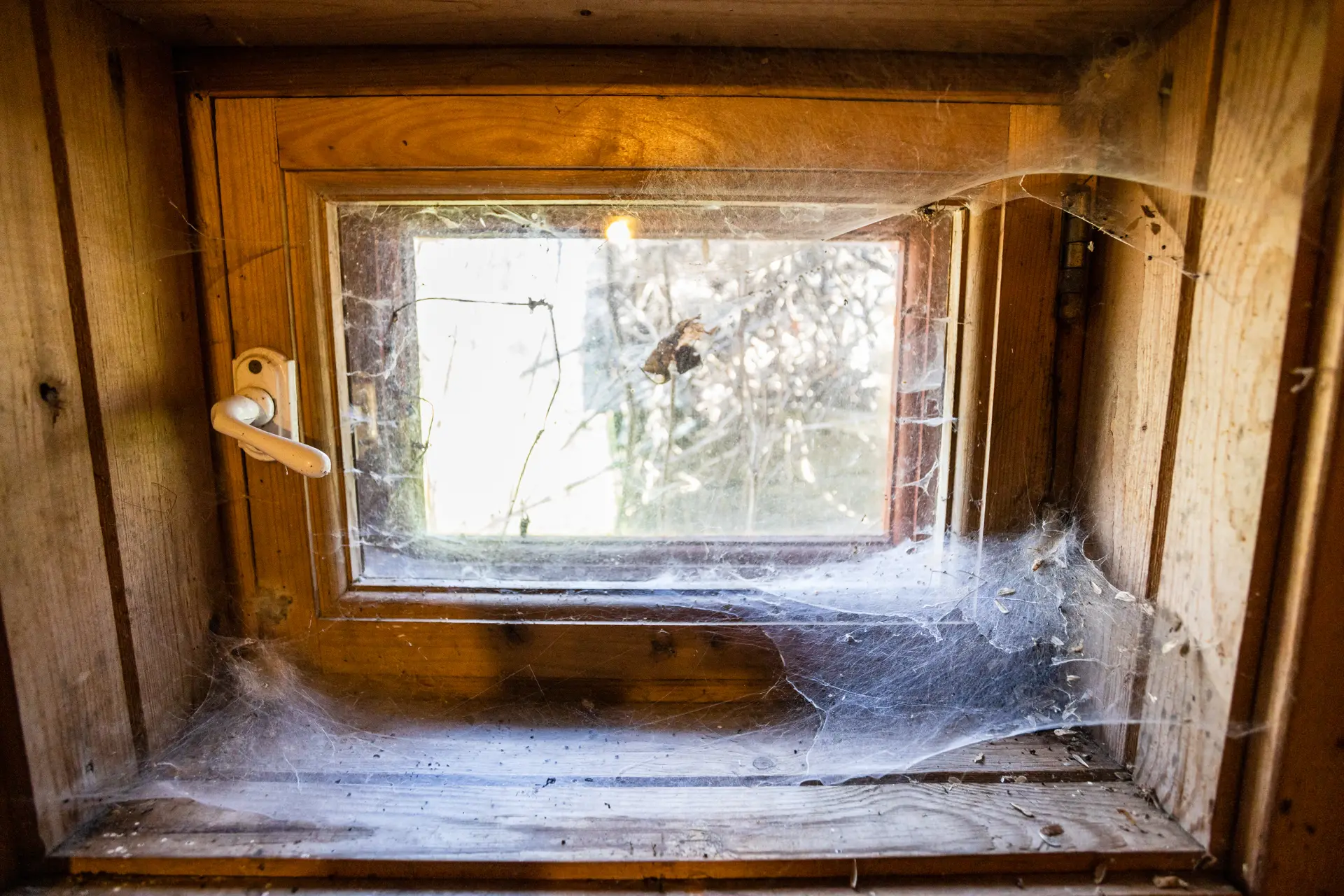
Wolf spiders (family Lycosidae) are among the most common large spiders encountered inside Toronto homes, particularly during autumn months when they seek warmth as outdoor temperatures drop. The species most frequently found in Toronto is Hogna carolinensis — one of the largest wolf spiders in North America, with a body length up to 35 mm and a leg span that can exceed 70 mm. Their combination of large size, rapid movement, and sudden appearance makes them among the most alarming pests Toronto homeowners encounter, even though they pose no significant medical risk. Unlike web-building spiders, wolf spiders are active hunters. They do not construct webs to catch prey — they sprint after it across floors, walls, and outdoor surfaces. This means they are frequently encountered running across basement floors, kitchen floors, and even bedroom walls in homes where they have entered through the foundation or lower-level openings. Their nocturnal activity pattern means they are often spotted late at night, adding to the alarm they cause. Wolf spiders are named for their pursuit-hunting behaviour, and they are fast — among the fastest moving spiders in Ontario. When encountered in the open and cornered, they may raise their front legs in a defensive posture, which appears aggressive. They are not actually aggressive toward humans and will flee if given the opportunity, but the combination of size, speed, and defensive posturing makes encounters genuinely frightening for many homeowners. Female wolf spiders have a distinctive habit of carrying their egg sacs attached to their spinnerets. When the eggs hatch, the female carries the spiderlings on her back until they are large enough to disperse — a mass of dozens to hundreds of tiny spiders that are immediately visible if the female is disturbed. A female wolf spider can produce an egg sac containing 100–400 spiderlings. If a female with an egg sac or spiderlings enters your home, the potential for a significant indoor spider population is real. In Toronto, wolf spider invasions are typically seasonal — late August through October — but properties with high prey insect populations (crickets, beetles) may see wolf spider activity year-round in basement areas. Bugsway has been managing wolf spider control across Toronto neighbourhoods including Etobicoke, Scarborough, North York, and the East End since 2009.
Professional wolf spider removal service Toronto GTA
The Pest Ecosystem Approach That Delivers Lasting Results

Why Professional Wolf Spider Control Outperforms DIY
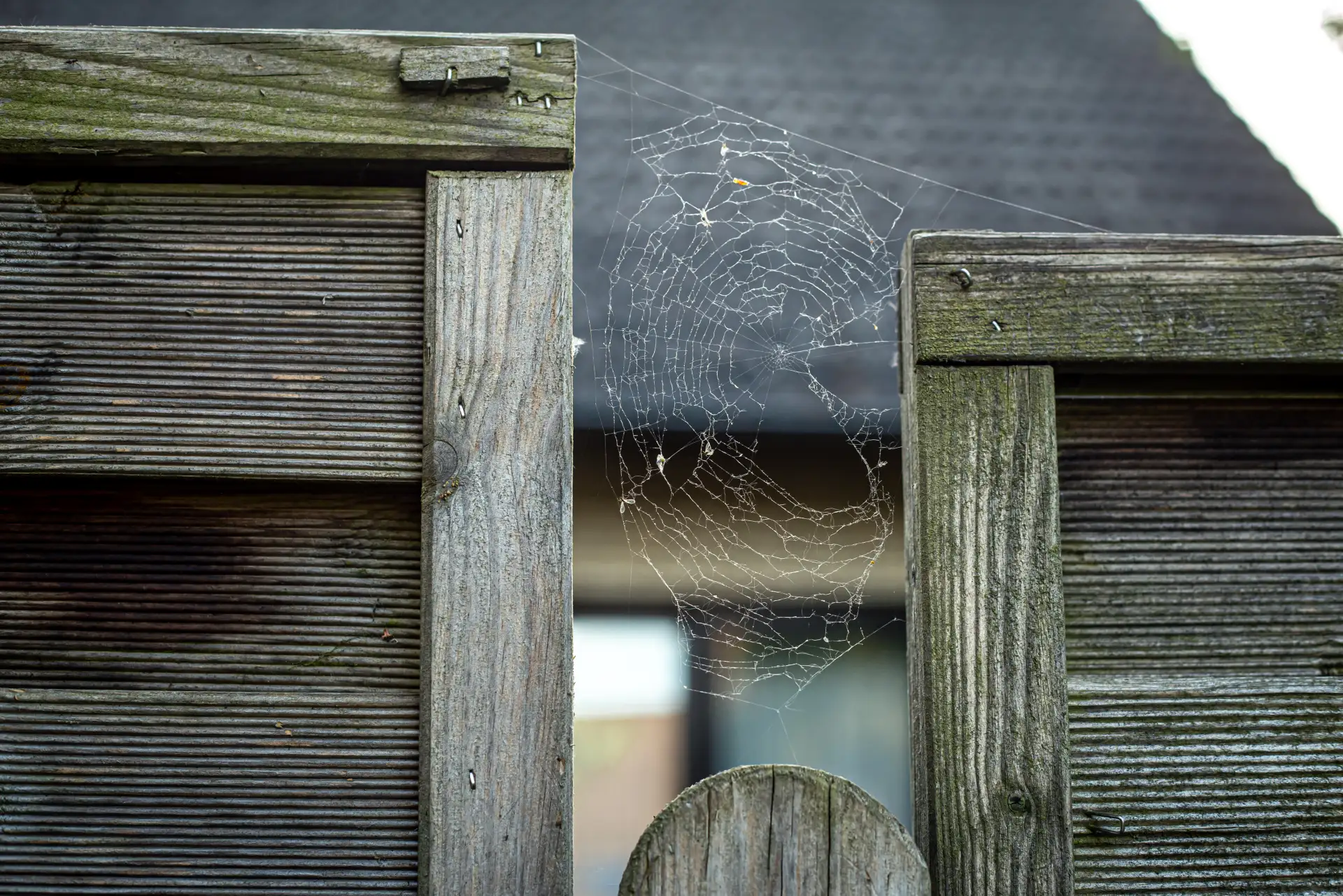
Wolf spider control is not simply about killing individual spiders. Addressing individual specimens as they appear — through vacuuming, glue traps, or aerosol sprays — provides only temporary relief. Wolf spiders continue to enter because the conditions that draw them in (prey insects, structural entry points) have not been addressed. Professional spider control takes an ecosystem approach that delivers durable results. The most important factor drawing wolf spiders inside Toronto homes is prey availability. Wolf spiders eat crickets, beetles, other spiders, and flying insects that land on indoor surfaces. Properties with large cricket populations in and around the foundation — a very common situation in Toronto's residential neighbourhoods, particularly in September and October — attract significantly higher wolf spider pressure. Effective professional control identifies and addresses prey insect populations as part of the wolf spider treatment program. Perimeter residual insecticide treatment — applied to the exterior foundation, window wells, utility penetrations, and the ground adjacent to the foundation — creates a chemical barrier that kills wolf spiders (and their prey insects) attempting to enter. Professional-grade products provide 60–90 days of residual activity and are specifically selected for durability on the exterior surfaces common in Toronto's residential housing stock: poured concrete foundations, brick exteriors, and treated wood framing around basement windows. Consumer-grade sprays available at hardware stores provide far less residual activity, degrade rapidly in UV light, and are not formulated for the surface types and application volumes required for perimeter treatment. Interior crack and crevice treatment in basement areas — applied to floor/wall junctions, around utility penetrations, and in the gaps around window frames — provides secondary protection for spiders that bypass the exterior barrier. Glue board trapping in basement and ground-floor areas captures active individuals and provides monitoring data on population levels and activity patterns. Structural exclusion — caulking foundation cracks, installing door sweeps, sealing utility penetrations — is the most durable long-term component of wolf spider control. Bugsway includes a written exclusion assessment with every spider control service, identifying priority sealing locations specific to your property. All products are registered with Health Canada (https://www.canada.ca/en/health-canada.html) for residential exterior use.
Wolf Spider Removal treatment process by Bugsway certified technician
Perimeter treatment, exclusion, and prey reduction for lasting results

Wolf Spider Control Services

Exterior Perimeter Treatment

Professional residual insecticide applied to the exterior foundation, window wells, and entry zones. Creates a chemical barrier that kills wolf spiders and prey insects attempting to enter. 60–90 day residual activity.

Interior Crack & Crevice Treatment

Residual insecticide applied to basement floor/wall junctions, utility penetrations, and window frame gaps. Secondary barrier for spiders that bypass the exterior treatment.

Glue Board Trapping

Sticky glue board traps placed in key basement and ground-floor locations capture active wolf spiders and prey insects. Provides monitoring data and captures individuals that bypass chemical treatments.

Prey Insect Reduction

Identification and treatment of prey insect populations (crickets, beetles) in and around the property that draw wolf spiders inside. Addressing the food source dramatically reduces spider entry pressure.

Structural Exclusion Assessment

Written identification of priority structural entry points: foundation cracks, utility penetrations, gap under doors, window frame gaps. Specific caulking and weatherstripping recommendations to reduce entry long-term.

Seasonal Spider Programs

Two scheduled exterior perimeter treatments (early and mid-autumn) plus interior treatment as needed. Designed around Toronto's seasonal wolf spider invasion period. Preferred pricing for program members.

Wolf Spiders Running Through Your Basement?

A professional perimeter treatment stops wolf spiders at the entry point. Fast, lasting, and guaranteed — call Bugsway today.

Perimeter-First, Ecosystem-Aware Spider Management

Our Wolf Spider Control Process

Bugsway's wolf spider control program is built around the understanding that spiders are secondary pests — they go where their prey is. Our process addresses both the spider population and the conditions that draw them inside. Step 1 — Property Inspection: The technician inspects the exterior foundation and lower-level entry points, identifying existing spider activity (egg sacs, shed skins, living specimens), prey insect populations (cricket activity is a key indicator), and structural entry routes. Interior basement and ground-floor areas are assessed for active spider presence and harborage conditions. Step 2 — Exterior Perimeter Treatment: Professional residual insecticide is applied to the exterior foundation to a height of approximately 60 cm, around window wells and basement window frames, along the foundation/ground junction, and around utility penetrations and door thresholds. This creates the primary barrier against wolf spider and prey insect entry. Treatment is applied in weather conditions appropriate for product drying and adhesion. Step 3 — Interior Treatment: Residual insecticide is applied in crack and crevice mode to basement floor/wall junctions, around all utility penetrations entering the basement, and in the gaps around basement window frames. Glue board monitors are placed along basement walls in locations with highest spider activity. Step 4 — Prey Insect Treatment: If significant cricket or other prey insect populations are identified during the inspection, treatment to reduce these populations is included. Cricket populations in basements are a major contributing factor to persistent wolf spider activity. Step 5 — Exclusion Report: A written report identifying specific structural vulnerabilities is provided, with prioritized recommendations for caulking, weatherstripping, door sweep installation, and other exclusion measures. Addressing these structural issues creates lasting protection that complements the chemical treatment.
Bugsway wolf spider removal specialist at work

Wolf Spider Control Pricing

Transparent pricing. Quote confirmed before work begins.

Standard

Single treatment, average-sized home

$149 – $249
  • Exterior perimeter treatment
  • Interior crack & crevice treatment
  • Glue board monitoring
  • Exclusion recommendations
  • 60-day service guarantee
Call for Exact Quote
MOST POPULAR

Comprehensive

Seasonal program with prey reduction

$299 – $449
  • Everything in Standard
  • Prey insect (cricket) treatment
  • 2 seasonal exterior treatments
  • Written exclusion report
  • Full season guarantee
Book Seasonal Program

Pricing varies by property size and prey insect levels. Quote confirmed before work begins. HST applicable.

Ecosystem Knowledge, Lasting Results, Honest Assessment

Why Toronto Homeowners Choose Bugsway for Spider Control
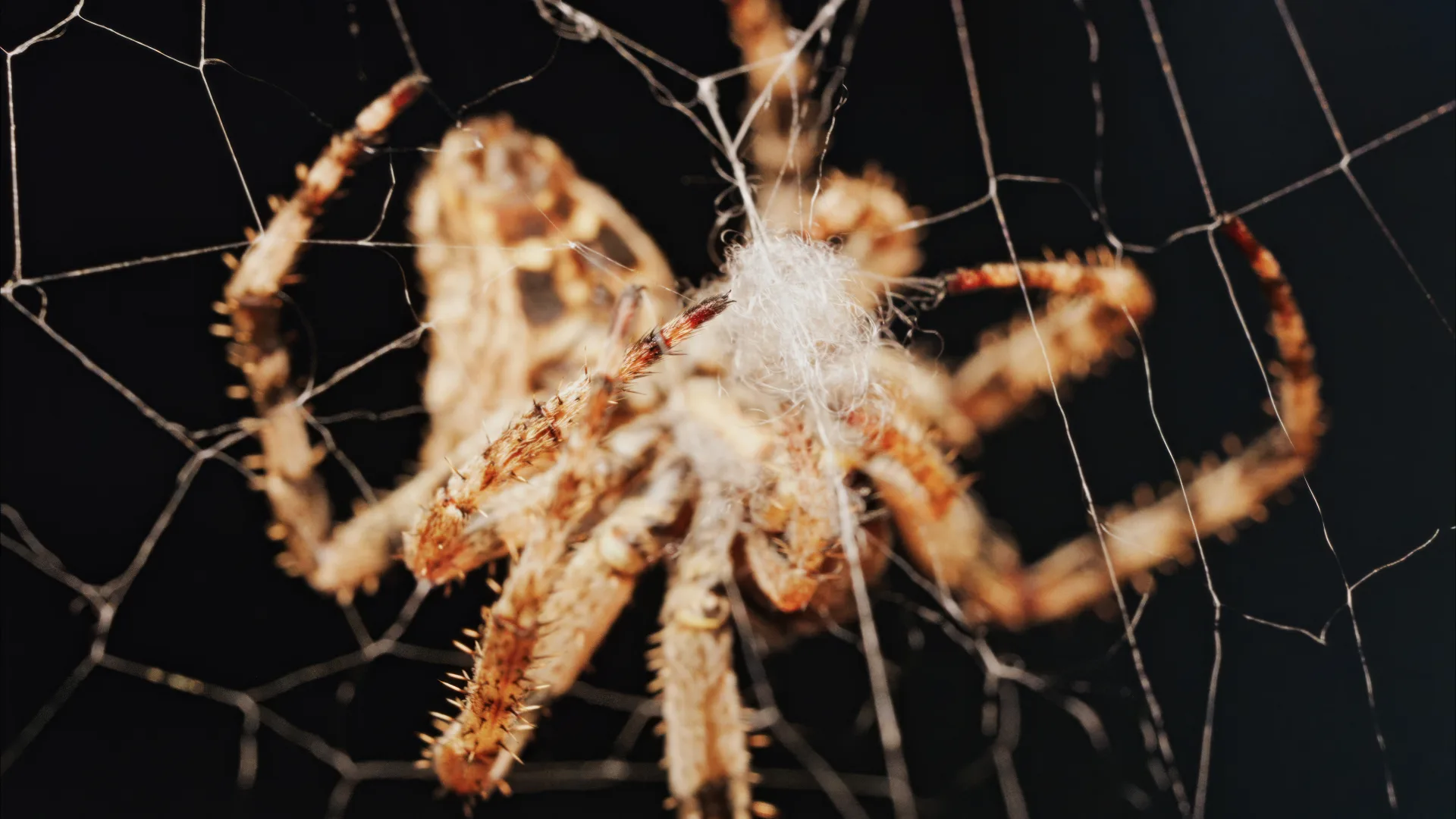
Bugsway's spider control team understands that spider problems are rarely just about the spiders. Our approach focuses on the conditions that create spider pressure — prey insects, structural entry points, and exterior habitat — rather than simply treating individual spiders as they appear. Since 2009, we have been managing wolf spider control across Toronto's diverse housing stock: detached homes in Etobicoke and Scarborough with stone or poured concrete foundations, older semi-detached homes in the Annex and Leslieville with ageing weatherstripping, and newer townhomes in North York and Mississauga with attached garages that provide direct spider entry routes. We know the specific structural characteristics that create elevated spider risk in each of Toronto's neighbourhood types. Our perimeter treatment products are selected for residual durability on exterior surfaces — concrete, brick, stucco, and treated wood — and applied at professional-grade concentrations and coverage rates that consumer products cannot match. We do not 'spot treat' individual spiders — we create a zone of protection around the entire accessible exterior of your home. We are also honest about what professional treatment can and cannot do. No treatment eliminates every spider from a property permanently. Our goal is to reduce indoor wolf spider encounters to zero or near-zero during the primary invasion season, and our 60-day guarantee backs that up. For properties with exceptional spider pressure, we provide specific structural exclusion recommendations and explain how implementing them will reduce the ongoing treatment burden. Bugsway is fully licensed under Ontario's Pesticides Act and insured for all residential and commercial work.
Why Toronto Homeowners Choose Bugsway for Spider Control | Bugsway Spider Control

Stop Wolf Spiders Before Autumn Gets Worse

Toronto's wolf spider season peaks in September and October. Early perimeter treatment stops them before they're inside. Call Bugsway today.

Frequently Asked Questions

Common questions about wolf spider control in Toronto

Are wolf spiders dangerous to humans?
Wolf spiders are not considered medically significant in Canada. They are venomous but bites are rare and typically cause only localized pain and swelling similar to a bee sting. They are not aggressive toward humans unless directly handled or cornered. However, their large size (body up to 35 mm), fast movement, and defensive posturing make encounters genuinely alarming for many homeowners.
Why are wolf spiders entering my Toronto home?
Wolf spiders enter homes primarily in search of prey insects (crickets, beetles, other spiders) and in autumn as temperatures drop. Unlike web-building spiders, wolf spiders are active hunters and range widely. They enter through gaps under doors, around window frames, through foundation cracks, and through basement utility penetrations.
How do I identify a wolf spider?
Wolf spiders are large, hairy, grey-brown spiders with a distinctive dark stripe pattern on the abdomen. They do not build webs — they hunt on the ground. They move quickly and are often seen running across floors at night. Females carry egg sacs attached to their spinnerets and carry newly hatched spiderlings on their backs.
What treatment does Bugsway use for wolf spiders?
Bugsway's wolf spider program uses: (1) perimeter residual insecticide on the exterior foundation and window wells; (2) interior crack and crevice treatment in basement areas; (3) glue board trapping at key interior locations; (4) prey insect reduction; and (5) structural exclusion assessment and recommendations.
Why are wolf spiders worse in autumn in Toronto?
Wolf spiders are most active from late August through October as temperatures drop. Adults that spent the summer hunting outdoors seek shelter in heated structures. This autumn invasion is typical in Toronto neighbourhoods with mature landscaping — particularly properties in Etobicoke, Scarborough, and North York with extensive garden beds adjacent to the foundation.
How long does wolf spider treatment last?
A professional perimeter residual treatment provides protection for approximately 60–90 days. For properties with heavy autumn invasion pressure, a second treatment in mid-autumn is recommended. Interior glue board trapping captures individuals that bypass the perimeter treatment. Our seasonal spider control program provides two scheduled exterior treatments.
Can I prevent wolf spiders without pesticides?
Partial prevention through exclusion is possible: installing door sweeps, weatherstripping, caulking foundation cracks, reducing exterior lighting, and removing leaf litter and woodpiles adjacent to the foundation. However, professional perimeter treatment combined with exclusion is significantly more effective than exclusion alone for properties with established wolf spider pressure.
Do wolf spiders nest inside houses?
Wolf spiders do not build nests or webs inside homes. They are transient hunters. However, females that enter in autumn may overwinter inside structures and produce egg sacs containing 100–400 spiderlings in spring if not controlled. This is why prompt control when wolf spiders are first noticed is important.

Contact Bugsway Today

Wolf spider control across Toronto and the GTA. Licensed, insured, and guaranteed.

Also see our spider web removal and brown recluse treatment services.

Know Your Spider

Wolf Spider Identification: Are These Scary Spiders Actually Dangerous?

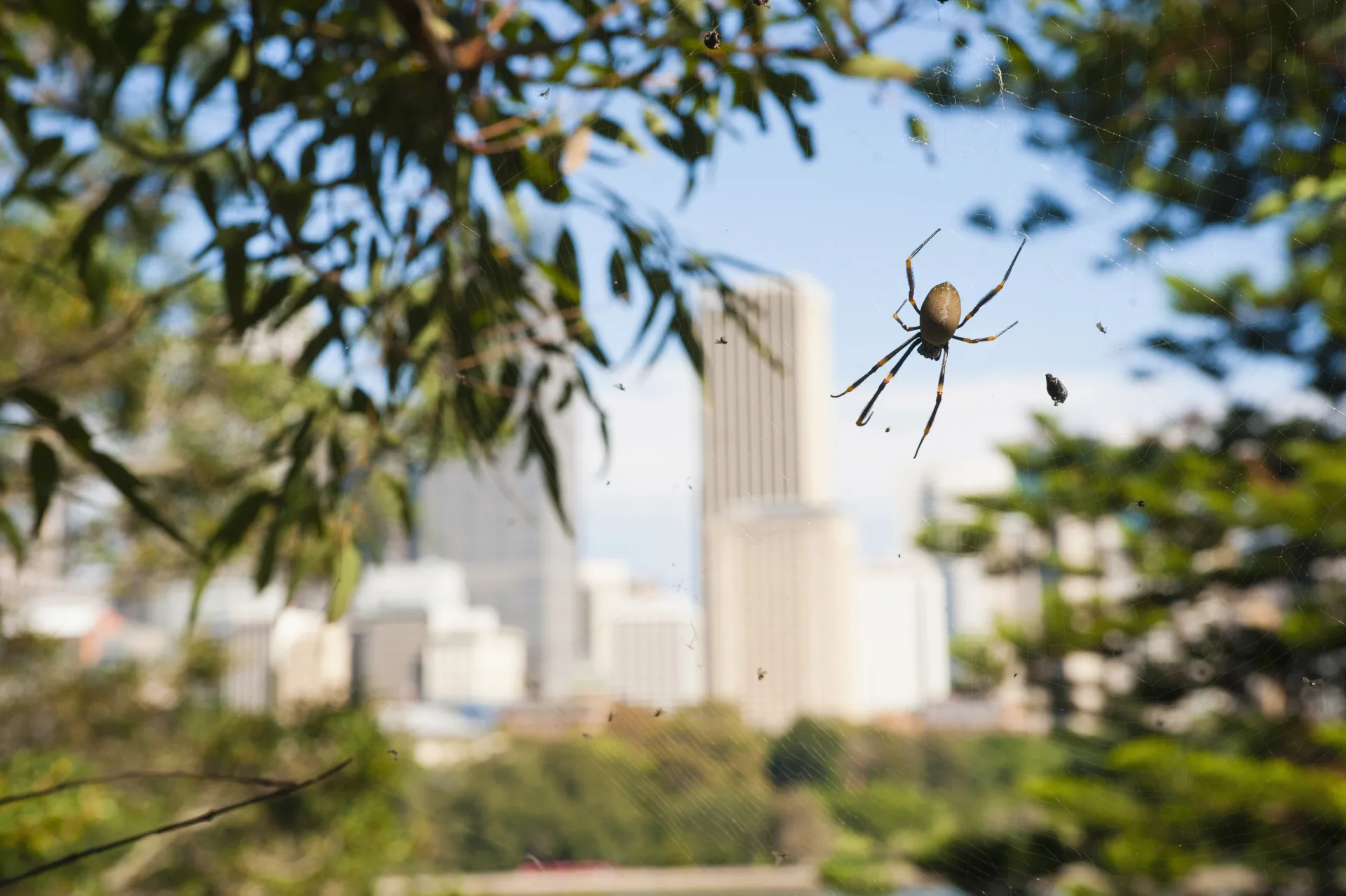
Wolf spiders (family Lycosidae) are among the largest spiders encountered in Toronto homes — body length of 10-35mm, covered in brown and grey banding that provides camouflage against leaf litter and carpet. They are ground-hunting predators that chase prey rather than building webs, which is why they're found running across floors rather than in corners. Their large size and speed make them alarming to encounter — their appearance triggers arachnophobia responses in many people. They commonly enter homes in fall (September-October) as outdoor temperatures drop and they seek warm harborage.

Despite their intimidating appearance, wolf spiders are not medically dangerous in Ontario. They can bite if handled or cornered, and their large chelicerae can produce a puncture wound causing local pain and mild swelling — comparable to a bee sting. Serious reactions are extremely rare. Wolf spiders are actually beneficial predators, controlling populations of crickets, cockroaches, and other insects in and around homes. However, for households with arachnophobia or young children, controlling wolf spider entry during fall is entirely reasonable. Professional perimeter treatment in late summer (August-September) prevents fall entry before populations peak.
Wolf Spider Identification: Are These Scary Spiders Actually | Bugsway Spider Control
Habitat Preferences

Why Wolf Spiders Are Concentrated in Basements

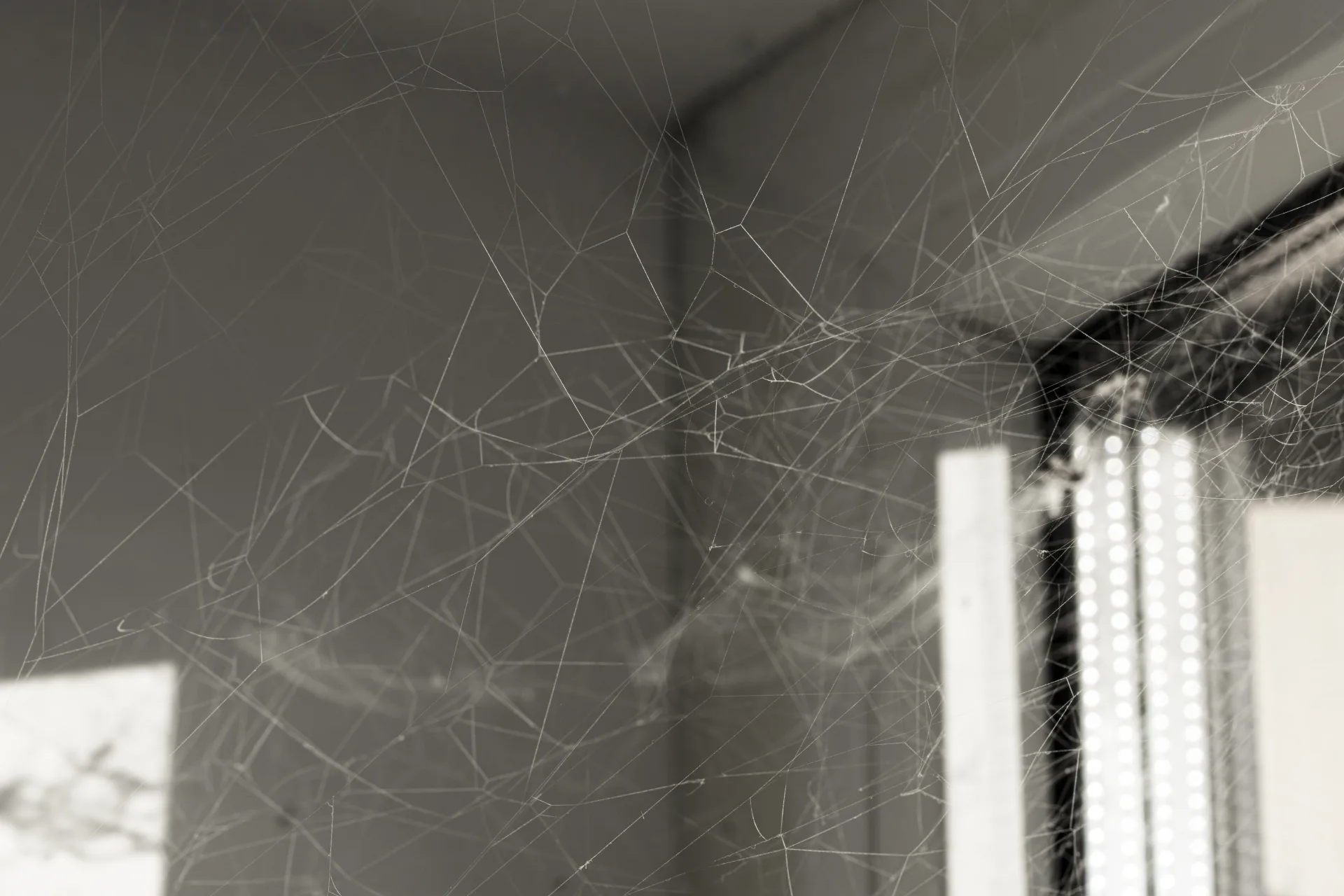
Wolf spiders prefer ground level — they are burrowing animals in outdoor environments (under rocks, leaf litter, wood piles) and gravitate to the lowest level of buildings when they enter. Basements provide the cool, dark, humid conditions closest to their preferred outdoor microhabitat. High humidity in basements attracts the insects wolf spiders prey on (crickets, cockroaches, silverfish, centipedes), creating an ideal hunting ground. Basement floor cracks and gaps in the sill plate provide easy entry from the exterior. Once inside, wolf spiders move freely across basement floors but rarely ascend to upper levels unless following prey.

Reducing basement humidity is one of the most effective wolf spider deterrents. Dehumidifiers reduce the moisture that supports the prey insects wolf spiders feed on. Addressing plumbing leaks, improving vapour barriers in crawlspaces, and improving basement ventilation creates a drier environment that is less hospitable for wolf spiders and their prey. Removing harborage at the foundation exterior — wood piles, landscape stone borders, leaf debris against the house — reduces the wolf spider population immediately adjacent to your building's entry points. Professional perimeter treatment in late summer creates a chemical barrier during the fall entry period.
Why Wolf Spiders Are Concentrated in Basements | Bugsway Spider Control
Treatment Protocol

Wolf Spider Control: Interior and Exterior Treatment

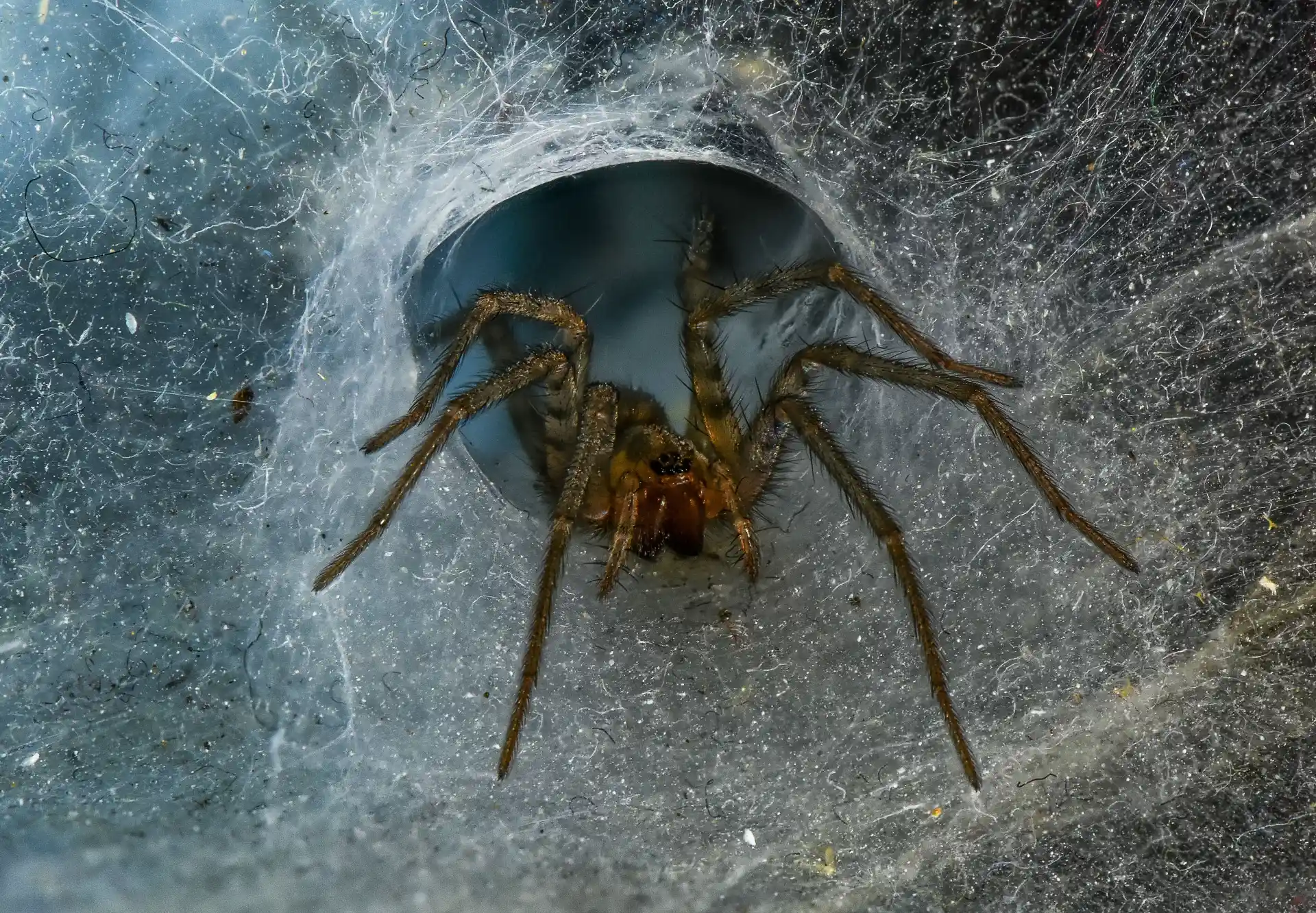
Wolf spider control combines exterior perimeter spray (applied to the foundation wall, around all ground-level entry points, and in the band of vegetation directly adjacent to the building) with interior treatment of basement perimeter areas. Exterior treatment targets wolf spiders approaching the building during their fall migration and kills those sheltering in the perimeter zone. Interior basement treatment addresses spiders that have already entered — residual spray along basement floor-wall junctions, inside sill plate gaps, and in wall-floor corners where wolf spiders travel and rest.

Sticky glue traps placed along basement walls provide both population reduction and monitoring data — traps capture wolf spiders attempting to traverse the basement perimeter and provide a count of activity levels over time. For basements with persistent wolf spider pressure, Bugsway recommends placing 6-10 sticky traps along the perimeter walls and checking them monthly. Trap counts that remain high after treatment indicate either ongoing entry (suggests exclusion gaps not yet sealed) or a large resident population requiring additional treatment. The combination of chemical treatment, sticky traps, and exclusion sealing provides the most comprehensive wolf spider control approach.
Wolf Spider Control: Interior and Exterior Treatment | Bugsway Spider Control

Frequently Asked Questions

Questions? Call 416-555-5555

Do wolf spiders bite?
Wolf spiders can bite, but bites are uncommon and typically only occur when the spider is directly handled, squeezed, or cornered with no escape route. They are not aggressive toward humans. A wolf spider bite produces a sharp puncture pain and may cause local redness and swelling similar to a bee sting — symptoms typically resolve within 24-48 hours without medical treatment. Wolf spiders are not medically significant species in Ontario. If you experience a rapidly spreading rash, difficulty breathing, or systemic symptoms after any spider encounter, seek emergency medical care.
Should I kill wolf spiders or release them outside?
Wolf spiders found indoors can safely be captured and released outside if that is your preference — use a glass and cardboard to trap the spider and release it away from the building. However, releasing them adjacent to the foundation often results in re-entry. From a pest control standpoint, wolf spiders entering your home in significant numbers indicate an entry point and population pressure that should be addressed. Releasing individual spiders does not solve the underlying access issue. If wolf spiders are a recurring problem, perimeter treatment and exclusion sealing is more effective than catch-and-release.
How do wolf spiders get into a second-floor apartment?
Wolf spiders can reach upper floors through interior pathways — inside wall voids, along pipe chases, through gaps in floor systems, and via open stairwells. They can also enter through window frames, balcony door gaps, and utility penetrations on upper floors. Wolf spiders on upper floors in apartments often travelled there from a lower level entry point — the building's basement or ground floor is the typical origin. In apartment buildings, Bugsway works with property managers to assess common areas, basement corridors, and exterior foundation perimeter where wolf spiders typically enter the building.
Do wolf spiders build webs?
Wolf spiders do not build prey-capture webs. They are active hunters that stalk and chase prey across the ground — this is what distinguishes them from web-building species and why they are found running across floors rather than sitting in corners. They do produce silk for egg sac construction (females attach the egg sac to their spinnerets and carry it with them) and for lining burrows in outdoor environments. If you are seeing large webs in your basement, those are not wolf spider webs — they are more likely the work of cellar spiders, funnel web spiders, or house spiders.
What do wolf spider egg sacs look like?
Wolf spider egg sacs are round, white to grey silk pouches that the female attaches to her spinnerets at the rear of her abdomen and carries with her constantly. This is a distinctive behaviour — seeing a large spider carrying a pale ball at its rear is a reliable identification clue for wolf spiders. After the eggs hatch, the female carries the spiderlings on her back for a period. A single egg sac may contain 100-300 eggs. Wolf spider mothers are strongly protective of their egg sacs and may bite more readily when carrying one, so extra caution is appropriate when handling a spider with an attached egg sac.
Are wolf spiders poisonous to dogs and cats?
Wolf spider venom is not considered dangerous to dogs and cats in Ontario. If a pet catches and eats a wolf spider, or is bitten while investigating one, the reaction would typically be limited to mild local irritation at the bite site. Cats especially may bat at or eat spiders without significant consequences. If your pet shows unusual symptoms after contact with any spider — drooling, muscle twitching, weakness, or swelling — contact your veterinarian, as individual sensitivities can vary. For the common wolf spiders found in Toronto homes, pet risk is considered very low.
How do I prevent wolf spiders from entering my basement?
The most effective prevention steps are: seal gaps in the sill plate and foundation wall using caulk or expanding foam; install weatherstripping on basement entry doors and threshold sweeps; remove exterior harborage (wood piles, stone borders, leaf piles) within 1 metre of the foundation; reduce basement humidity with a dehumidifier to make the environment less hospitable for prey insects; apply residual perimeter insecticide in late summer (August-September) before the fall entry period peaks. Sticky glue traps along basement walls provide ongoing monitoring and capture of any spiders that do enter.
Does finding one wolf spider mean there are more?
Finding a single wolf spider in your home during fall (September-October) is not unusual — it may be an isolated individual that wandered in through an open door or garage. However, finding wolf spiders frequently or in multiple locations over several weeks does indicate an entry pathway and a population actively entering the building. Sticky traps placed along basement walls provide a reliable count — if traps are catching multiple wolf spiders per week, a more comprehensive treatment program is warranted. Bugsway can assess whether what you are experiencing is isolated entry or a significant entry pressure requiring professional intervention.