Termite Bait System Installation Toronto
Long-term termite protection with minimal soil disturbance. Bugsway installs and monitors in-ground bait station networks that intercept foraging termites and deliver colony-eliminating bait — fully documented, professionally maintained, and backed by 17+ years of Toronto termite expertise.
What Is a Termite Bait System — and How Does It Protect Toronto Homes?
Why Professional Installation and Monitoring Is Essential for Bait Systems
What's Included in Every Bugsway Bait System Installation
Pre-Installation Inspection
Thorough property inspection to identify termite activity, map high-risk zones, assess soil conditions, and plan station placement for maximum interception of foraging termite workers.
Full Perimeter Station Network
Professional-grade bait stations installed at protocol-specified intervals around the complete property perimeter, with additional stations at high-risk zones — fully mapped and documented.
Active Bait Deployment
When termite activity is detected at any monitoring station, monitoring material is replaced with colony-eliminating active bait matrix, and feeding is tracked at each subsequent visit.
Quarterly Monitoring Visits
Scheduled quarterly inspections of all stations — checking for activity, replacing consumed or degraded material, documenting findings, and assessing overall colony activity trend over time.
Station Location Map
Detailed map of all bait station locations provided at installation and updated with any changes — enabling accurate monitoring and ensuring no station is missed during inspections.
Monitoring Visit Reports
Written report for every monitoring visit documenting activity status at each station, bait condition, replacements made, and overall system performance assessment.
Our Termite Bait System Installation Process — Step by Step
Termite Bait System Pricing
Installation pricing is based on perimeter length and station count. Annual monitoring programs available after installation.
Installation Only
Standard detached or semi-detached home perimeter
- Pre-installation inspection
- Full perimeter station network
- Station location map
- Initial 30-day check included
Installation + Annual Monitoring Program
Installation plus one year of quarterly monitoring included
- Everything in Installation Only
- 4 quarterly monitoring visits
- Active bait deployment included
- Written report each monitoring visit
Why Toronto Homeowners Choose Bugsway for Termite Bait System Installation
Related Termite Treatment Services
Termite Inspection
Certified termite inspection with written report — recommended before any treatment program to document baseline conditions and confirm infestation status.
Termite Liquid Treatment
Fast-acting liquid barrier creates an immediate chemical zone around and beneath your foundation — eliminates active colonies and protects for up to a decade.
Full Termite Treatment
Complete termite management program — inspection, treatment options, ongoing monitoring, and documentation for Toronto and GTA residential properties.
How Termite Bait Systems Work: A Step-by-Step Guide
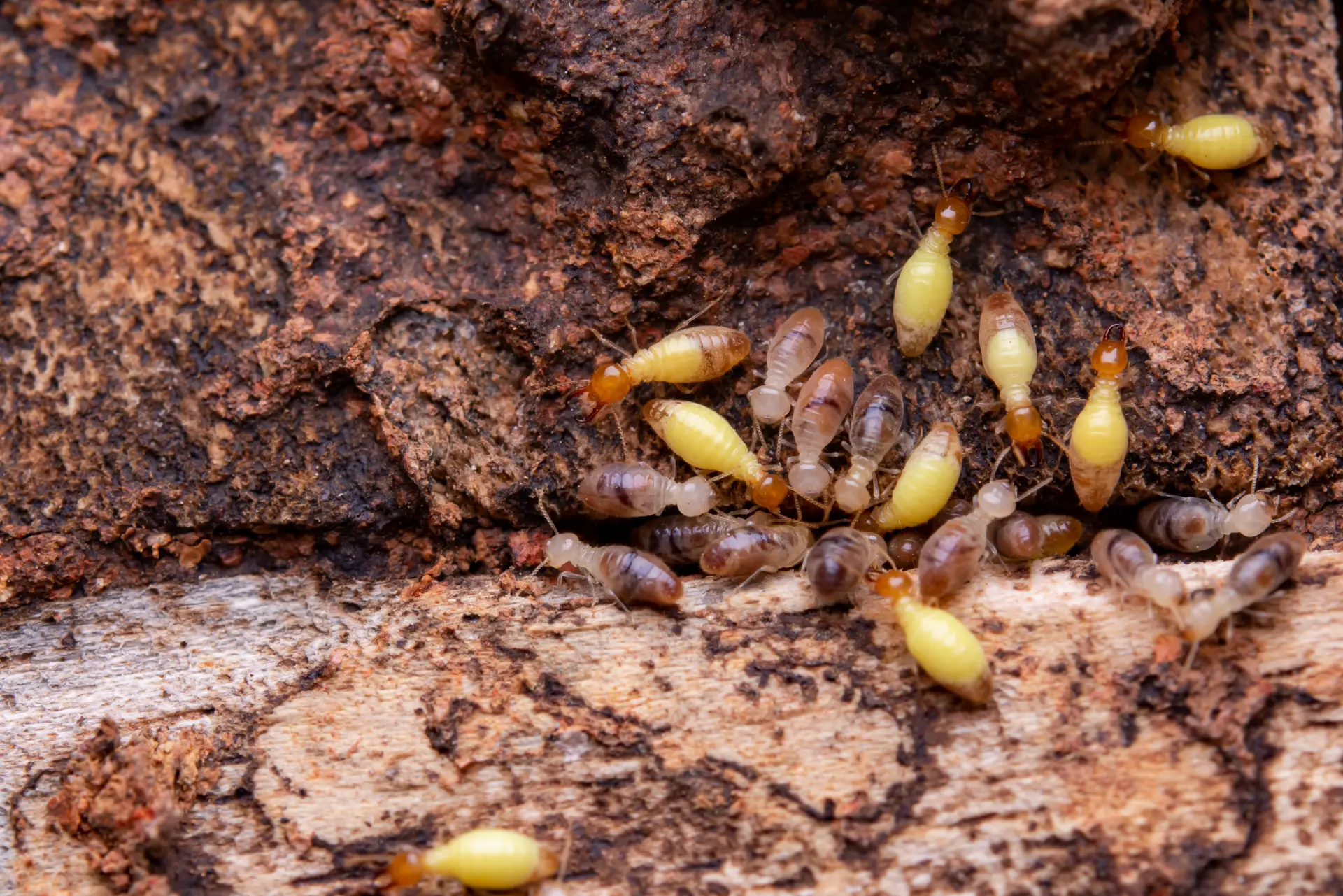
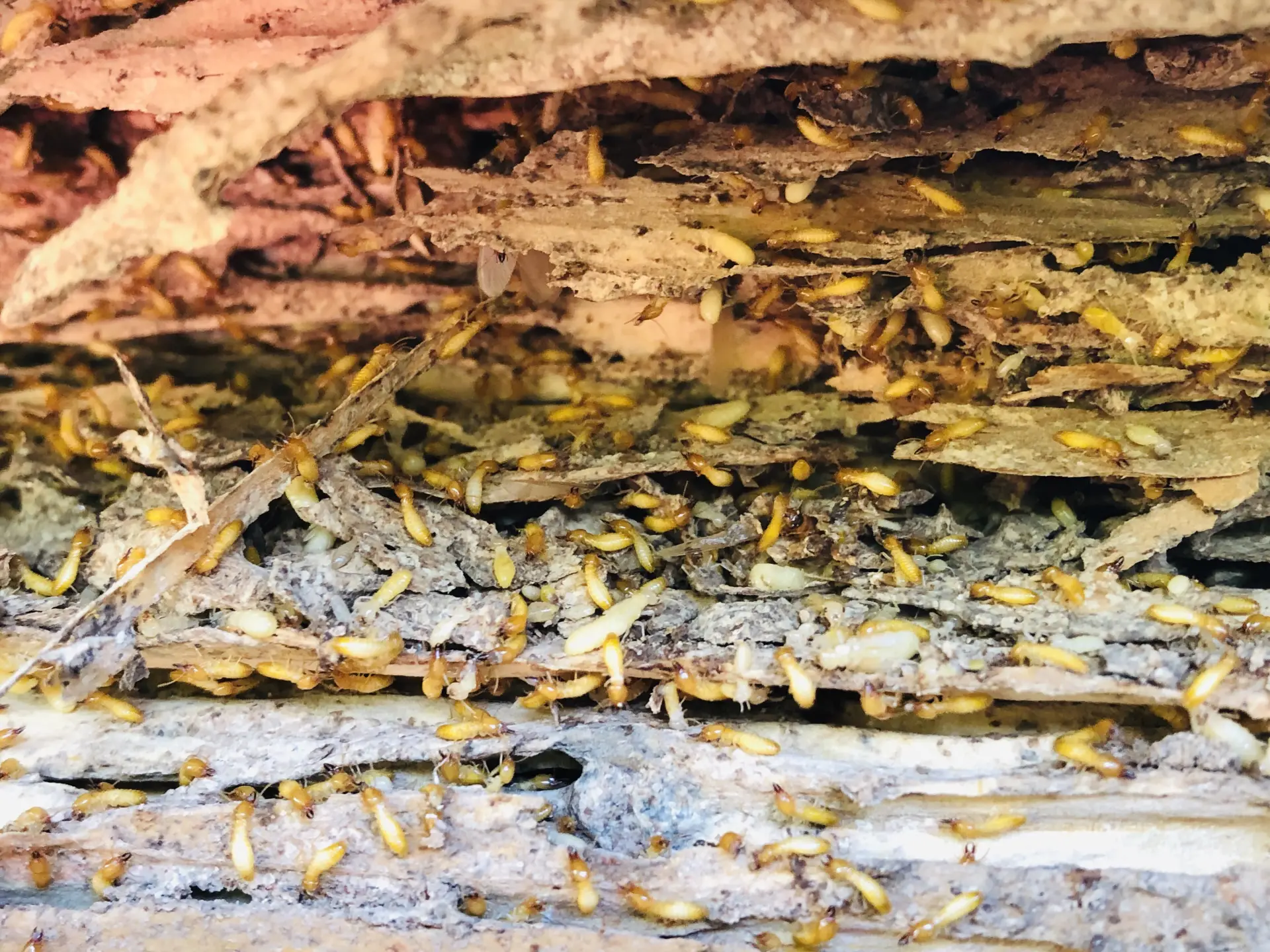
Termite bait system installation begins with a perimeter survey to identify optimal station placement — typically every 3 metres along the foundation perimeter, with closer spacing at high-risk locations such as expansion joints, utility entry points, wood-to-soil contact zones, and areas of prior termite activity. Stations are installed in the soil by driving or drilling a pilot hole and inserting the cylindrical plastic housing flush with grade. Each station initially contains a highly palatable cellulose-based monitoring matrix — untreated wood material calibrated to be more attractive to foraging termites than the structural wood of your home. Foraging termite workers, which range 50 to 100 metres from the colony in search of food, encounter the monitoring stations in the soil as they patrol the perimeter. Once termite feeding activity is detected during a monitoring inspection — indicated by feeding tunnels, frass, or live termites in the station — the monitoring material is removed and replaced with an active bait matrix containing an insect growth regulator (IGR) or slow-acting toxicant. The IGR disrupts the molting process that termites require to develop through life stages — exposed termites are unable to molt successfully, leading to progressive mortality as affected individuals die without being replaced by new workers. Colony elimination typically occurs over 60 to 120 days from when active bait feeding begins, though large colonies may require longer.
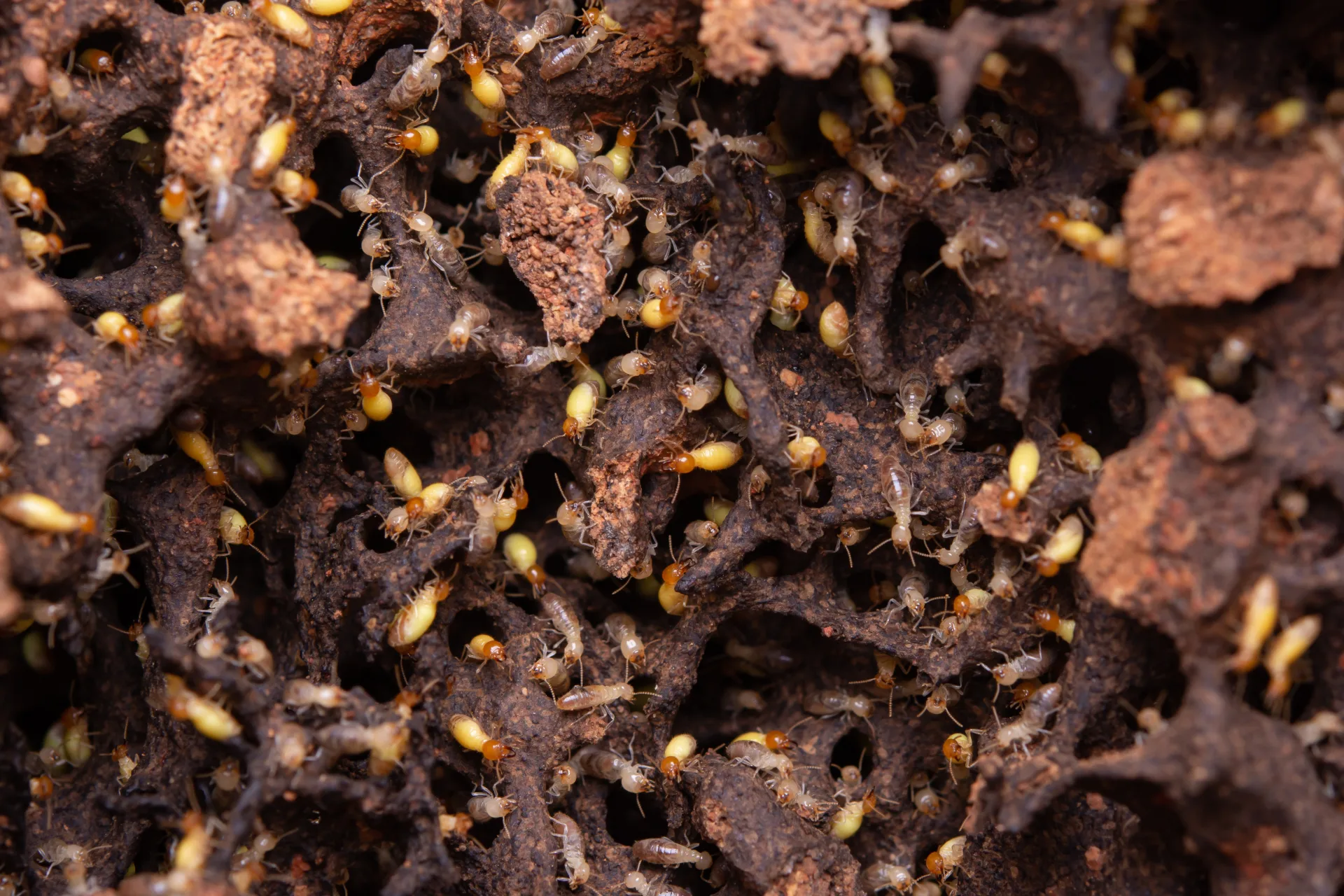
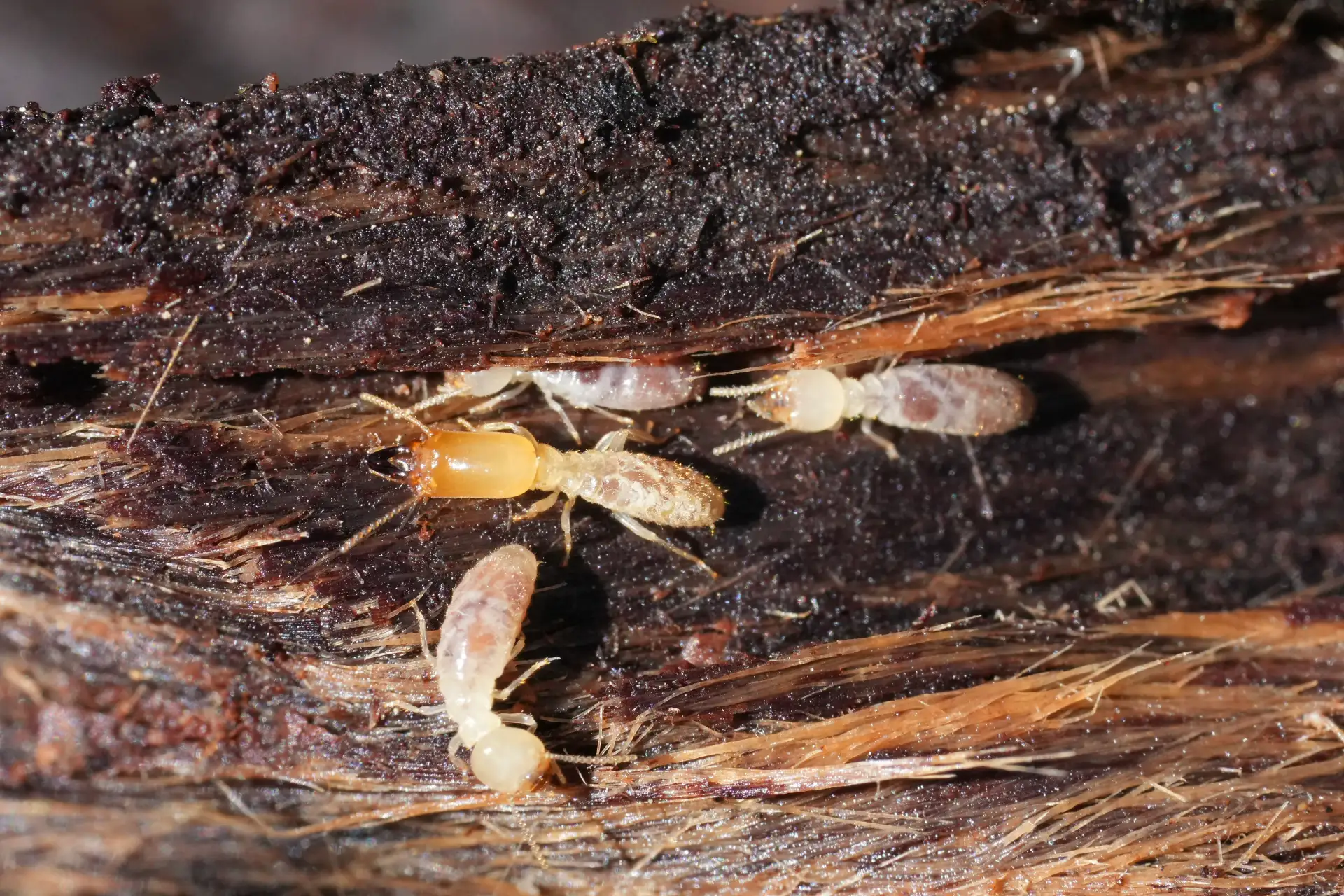
The critical advantage of bait systems over liquid barrier treatment lies in the mechanism of colony elimination versus colony exclusion. A liquid barrier creates a chemical zone that kills or repels termites attempting to cross it, protecting the structure but not necessarily eliminating the colony entirely — a colony that cannot access your home through the barrier may persist in the soil and find entry points over time as the barrier degrades or is disrupted. A bait system, by contrast, exploits the colony's own social behaviour: foraging workers carry the active bait ingredient back to the colony through trophallaxis — the mouth-to-mouth sharing of food and chemicals between nestmates. As the active ingredient spreads through grooming and food sharing, it reaches workers, soldiers, and eventually reproductive castes deep in the colony. Because the mode of action is slow and the ingredient undetectable to termites, feeding continues and distribution through the colony is thorough. The result is full colony collapse — not just exclusion from your structure — making bait systems uniquely capable of achieving complete colony elimination rather than ongoing barrier management.
Termite Bait System Maintenance: What Annual Inspections Include
Termite bait systems are not a one-time installation — they require ongoing monitoring visits to perform effectively and maintain documented protection status. Industry-standard systems including Sentricon, Advance Termite Bait System, and comparable products are all designed with regular inspection intervals as a core component of the program. Bugsway's annual maintenance program for installed bait systems includes a minimum of one to two inspection visits per year, with more frequent visits recommended during peak termite foraging season (May through October in the GTA). During each monitoring visit, the technician inspects every station for evidence of termite activity, assesses the condition of the bait matrix and replenishes or replaces it as needed, re-positions stations if soil conditions have shifted them, and records all findings in a written maintenance report. This ongoing documentation creates a year-by-year activity record for your property — valuable for future real estate transactions, insurance purposes, and evidence of due diligence in termite management. If new activity is detected at a previously clear station, bait is introduced immediately without requiring an additional service call, as technicians carry active bait matrix on all monitoring visits.
Annual maintenance program pricing for an installed bait system in the GTA typically ranges from $200 to $400 per year depending on the number of stations, property size, and visit frequency. This annual cost is substantially lower than the cost of re-treatment if an unmonitored system allows a new termite infestation to develop and cause structural damage. Bugsway offers multi-year maintenance contracts that provide pricing certainty and scheduling priority for existing clients. Clients who maintain continuous annual monitoring also benefit from Bugsway's active-treatment guarantee — if termite activity causing structural damage is detected in a property with an active maintenance agreement, re-treatment is provided at no additional cost within the coverage period. The combination of low ongoing cost, continuous documented monitoring, and guaranteed response makes an annual maintenance program the most financially rational approach to long-term termite protection for Toronto homes.
Bait System vs Liquid Treatment: Which Is Right for Your Home?
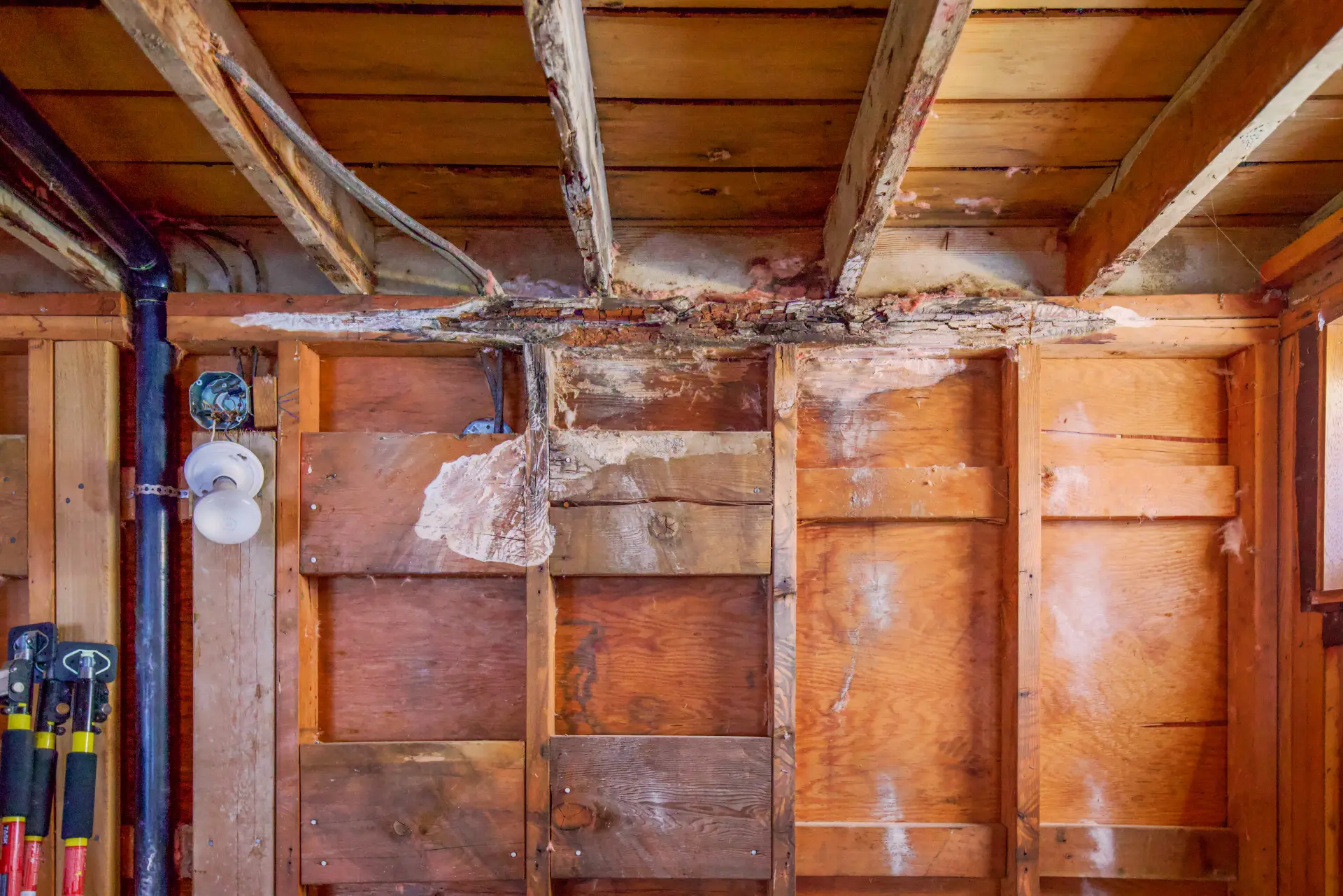
The choice between a termite bait system and liquid barrier treatment depends on several property-specific factors that Bugsway assesses during the initial inspection. Bait systems are the preferred approach in four key scenarios: first, new construction proximity — where liquid trenching near newly installed utilities, drainage systems, or landscaping would be disruptive or inadvisable; second, finished basements — where accessing the foundation-floor junction for liquid sub-slab injection requires drilling through finished concrete floors or disturbing basement finishes; third, environmentally sensitive site conditions — properties adjacent to water features, storm drains, or wetland-adjacent soil where soil injection of termiticide raises environmental compliance concerns; and fourth, homeowner preference for a non-chemical ongoing monitoring system rather than a one-time soil treatment. In these contexts, bait systems offer equivalent long-term protection with significantly less site disruption, and the ongoing monitoring component provides a documented protection record that liquid treatment does not offer after the initial application.
Liquid treatment is preferred in three primary scenarios: active large-scale infestations where the colony is causing ongoing structural damage and rapid containment is required — bait systems cannot stop active damage fast enough when wood consumption is progressing; heavily infested wood members in accessible locations where targeted liquid application directly into infested wood provides immediate control; and commercial properties where regulatory compliance requires a documented chemical barrier with specific concentration and application records. For severe infestations, Bugsway frequently recommends a combination approach: liquid treatment applied to active infestation zones for immediate structural protection, combined with bait station installation around the perimeter for ongoing monitoring and colony elimination. This combination provides the speed of liquid treatment where it matters most, with the long-term colony-elimination and monitoring capability that bait systems provide. During your inspection, the Bugsway technician will explain which approach — or which combination — is most appropriate for your specific property conditions and infestation status.
Frequently Asked Questions
How do termite bait systems work?
In-ground stations placed around the perimeter contain monitoring material that attracts foraging termites. When activity is detected, monitoring material is replaced with colony-eliminating bait matrix. Termites feed on the bait and share it with nestmates through grooming and food sharing — spreading the active ingredient through the colony and progressively eliminating it over 3 to 12 months.
How long does it take for termite bait to eliminate a colony?
Colony elimination through bait systems typically takes 3 to 12 months from when termites begin feeding on active bait, depending on colony size, foraging activity, and bait consumption rate. Bugsway monitors stations at regular intervals and replaces consumed bait to maintain continuous availability — the primary driver of efficient colony elimination.
How many bait stations will be installed on my Toronto property?
Station placement is based on perimeter length and site factors, typically every 3 to 4 metres. A standard Toronto detached home with a 50- to 60-metre perimeter typically receives 15 to 20 stations, with closer spacing near high-risk zones. Bugsway provides the station count and placement plan as part of the installation quote.
Are termite bait systems safe for children, pets, and the environment?
Yes. Bait systems are considered one of the most environmentally targeted pest control technologies. The active ingredient is contained within sealed in-ground stations with tamper-resistant caps flush with the soil surface. The target specificity of insect growth regulators minimizes risk to non-target organisms. All Bugsway bait products are registered with Health Canada.
Do termite bait stations require ongoing maintenance?
Yes — regular monitoring is essential to bait system performance. Bugsway schedules quarterly inspection visits to check activity, replace consumed or degraded bait, and document findings. Without consistent monitoring, a depleted station has no protective value. Quarterly monitoring during active seasons is strongly recommended.
Can a termite bait system be installed alongside existing landscaping?
Yes. Stations are installed by drilling small-diameter holes with caps flush with grade. They can be installed among established lawn, garden beds, and mulched areas. Bugsway technicians avoid valued root systems and adjust spacing around obstacle areas while maintaining coverage. All station locations are mapped for accurate monitoring.
Can bait systems be used when there is an active termite infestation?
Yes, but for active infestations causing ongoing structural damage, Bugsway may recommend combining bait installation with targeted liquid barrier treatment at active infestation zones. This combined approach provides faster structural protection while the bait system works toward long-term colony elimination.
What areas of Toronto do you serve for termite bait system installation?
Bugsway serves all of Toronto and the GTA including Mississauga, Brampton, Markham, Richmond Hill, Vaughan, Oakville, Pickering, Ajax, and Whitby. Call 416-555-5555 or submit an online request to confirm availability and schedule an inspection.
How Termite Bait Systems Work: Colony Elimination Science
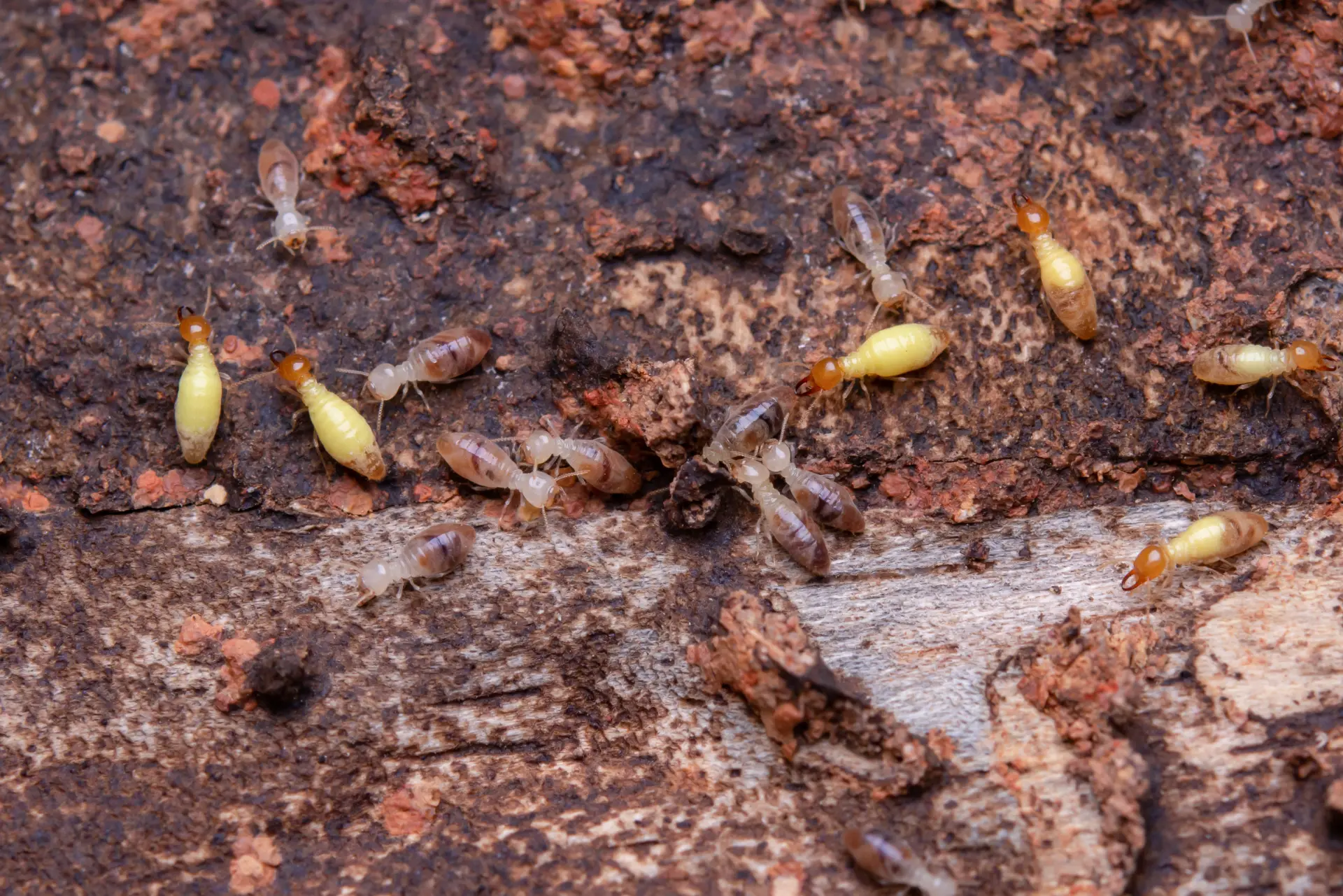
Termite bait systems exploit the social biology of subterranean termite colonies to eliminate the entire colony — including the queen — from the inside out. In-ground stations containing untreated wood are installed around the building perimeter, spaced 3-4 metres apart. Foraging workers encounter the stations during their regular soil tunnelling activity, begin feeding on the wood cellulose, and mark the food source with trail pheromones that recruit additional workers. When stations show termite feeding activity (documented during monitoring visits), the untreated wood is replaced with insect growth regulator (IGR) bait — specifically hexaflumuron or noviflumuron, which disrupt chitin synthesis in moulting insects.
Worker termites share the bait throughout the colony through trophallaxis (food exchange) and mutual grooming — the IGR reaches the queen and all castes including the reproductives. The colony population declines as workers fail to moult successfully, brood die off, and eventually the queen stops producing viable eggs. Colony elimination typically takes 3-6 months from the time active feeding on bait is documented. Importantly, bait systems do not create a chemical barrier in the soil — they work solely through colony elimination. This means properties in areas with neighbouring termite colonies may require ongoing monitoring after the target colony is eliminated.
Bait System Monitoring: What Happens After Installation
Termite bait system effectiveness depends entirely on consistent monitoring and bait management. Stations must be inspected quarterly by a licensed technician to assess wood consumption, document evidence of termite feeding, swap untreated monitoring wood for active bait when activity is detected, assess bait consumption, and replenish bait as needed. Bugsway's monitoring program includes written service reports after each quarterly visit documenting: which stations show activity, bait consumption rates, signs of colony progression (declining activity indicating population reduction), and any structural concerns observed during the perimeter inspection.
The warranty period for Bugsway's bait system installation covers 12 months of monitoring and retreatment if needed. Annual warranty renewals at the end of the first year maintain continuous protection — particularly important for properties in areas with documented termite activity where new colonies may invade after the initial colony is eliminated. Renewal inspections include a visual termite inspection of accessible structural areas (basement, crawlspace, accessible framing) to confirm no new activity has developed since the previous inspection. For properties with a history of significant termite damage, combining bait station monitoring with a liquid soil barrier treatment provides the highest level of protection.
Bait System Installation Process: What to Expect
Bait system installation typically takes 2-3 hours for a standard detached home. The installation team marks station locations around the perimeter at 3-4 metre intervals (typically 8-15 stations for a typical Toronto home), then installs each station using a soil auger to drill a 10cm-diameter hole to a depth of 30-40cm, below the active soil zone. Stations are set flush with the soil surface — they are low-profile and inconspicuous in lawn and garden areas. For areas with concrete or pavers, stations can be installed through holes drilled in the hardscape if required by the inspection.
After installation, the first monitoring visit is scheduled at 3 months. Property owners can inspect the stations visually between monitoring visits — active feeding is indicated by a small soil tube connecting the station's wood block to the station walls. Do not move or disturb the stations between technician visits — disturbing active feeding sites can cause termites to abandon the station and lose the bait transfer opportunity. Station locations are mapped and provided to the property owner. If a station is accidentally damaged or covered during landscaping work, contact Bugsway for replacement at no charge during the warranty period.
Frequently Asked Questions
Questions? Call 416-555-5555
How long does it take for a termite bait system to work?
Do bait systems work in winter?
Can bait stations be hit by a lawn mower?
What happens to the colony when the bait works?
Do bait systems prevent new termite colonies from establishing?
How much does bait station installation cost?
Is the bait safe for pets and children?
Do bait systems replace liquid treatment?
Book Termite Bait System Installation in Toronto Today
Contact Bugsway Pest Control for a free quote on termite bait system installation and monitoring. Serving Toronto and the GTA — same-week appointments available.
Or email us at [email protected]