Same-Day Emergency Service Available — GTA's #1 Rated Pest Control | 📞 416-555-5555

Prevention Is Always Cheaper Than Elimination

Cockroach Prevention
Toronto Homes & Apartments

Proactive exclusion, sanitation consultation, and preventive treatments that stop cockroach infestations before they start. Ideal for new tenants, multi-unit buildings, and properties with pest history.

Licensed Technicians
Exclusion & Sanitation
Written Prevention Report
Toronto's Prevention Experts
The Most Cost-Effective Pest Control Investment You Can Make

Cockroach Prevention in Toronto: Why It Matters
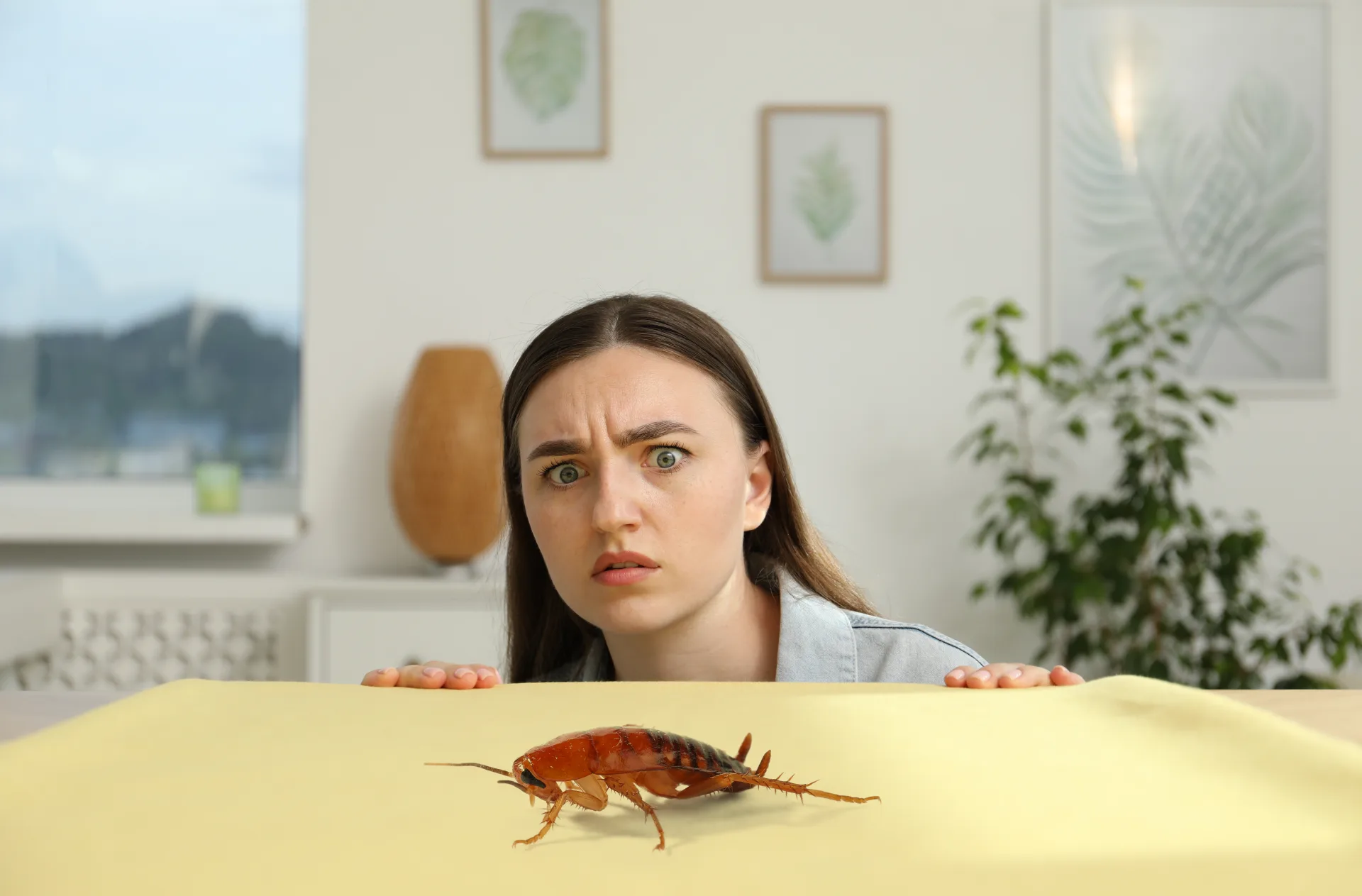
Toronto's older housing stock, dense apartment towers, and year-round heating make it an ideal environment for cockroach establishment. German cockroaches (Blattella germanica) — the primary species in Toronto residential buildings — cannot survive outdoors in Canadian winters and rely entirely on heated structures. Once established, they are expensive, time-consuming, and stressful to eliminate. The most sensible approach is to prevent establishment from occurring. The financial and health case for prevention is clear. A typical German cockroach treatment program for a single apartment — covering initial treatment, follow-up visits, and monitoring — costs $300–$700. A preventive treatment before infestation occurs costs $149–$299 and includes a structural exclusion report that can prevent re-introduction for years. For a new tenant moving into a building with a pest history, a pre-occupancy prevention service often pays for itself within the first rental year. Cockroach allergens are a significant public health concern in Toronto's apartment-dense neighbourhoods. Research published by Toronto Public Health has documented elevated asthma rates in buildings with active German cockroach infestations. The cockroach's shed skins, fecal pellets, and salivary proteins are potent aeroallergens that concentrate in carpets, upholstery, and HVAC air circulation systems. Children are disproportionately affected. Preventing infestation altogether is categorically better than managing health consequences after the fact. Toronto's high-density living also means that individual unit prevention cannot be entirely separated from building-wide conditions. A single heavily infested unit can be the source of populations that spread to dozens of neighbouring suites through shared wall voids and plumbing chases. Bugsway works with property managers and building superintendents to implement building-wide prevention programs that address the problem at the source rather than managing it suite by suite.
Professional cockroach prevention service Toronto GTA
Exclusion, Sanitation, and Preventive Treatment — Working Together

The Three Pillars of Effective Cockroach Prevention
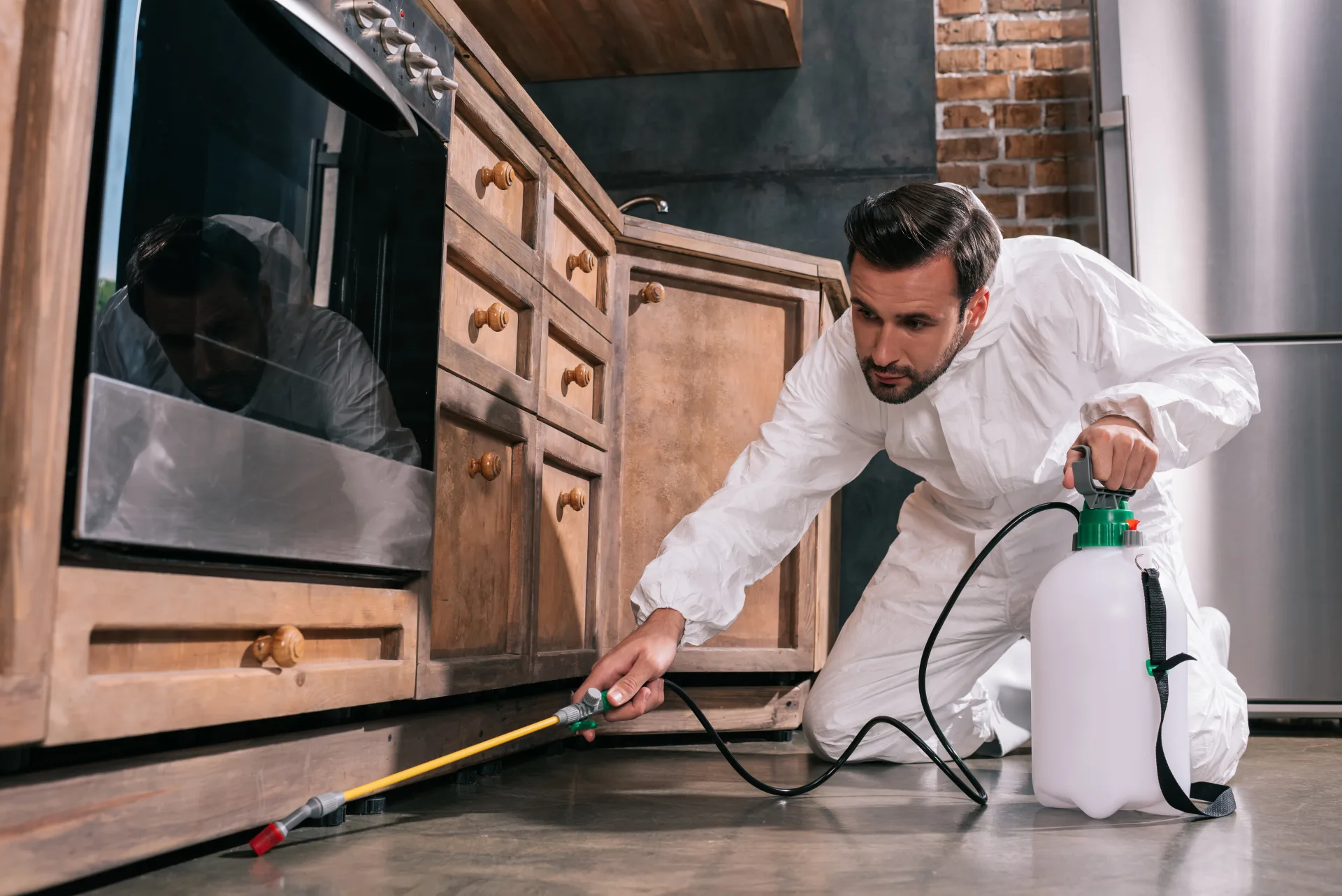
Effective cockroach prevention rests on three interconnected pillars. Addressing only one or two produces partial results. Bugsway's prevention service integrates all three into a single program. Pillar 1 — Structural Exclusion: Cockroaches enter homes through remarkably small openings. A German cockroach can squeeze through a 1.6 mm gap — roughly the thickness of a coin. Common entry routes include: the gaps around plumbing pipes under sinks and behind dishwashers; unsealed conduit penetrations in walls and floors; the gaps between cabinet frames and wall surfaces; the space under suite entry doors; and exhaust fan openings that lack functional dampers. Professional exclusion assessment identifies these routes and provides specific guidance on caulking, foam sealing, weatherstripping installation, and door sweep application. Structural exclusion is the most durable prevention measure — unlike chemical treatments, physical barriers do not degrade. Pillar 2 — Sanitation: Cockroaches require food, water, and shelter. Eliminating or reducing these resources makes an environment inhospitable to establishment. Critical sanitation practices include: daily cleaning of cooking surfaces; storage of all food in sealed hard-sided containers; prompt repair of plumbing leaks and dripping taps; elimination of clutter that provides harborage; and regular cleaning under and behind appliances. Bugsway's prevention service includes a detailed sanitation consultation tailored to conditions observed during the inspection. Pillar 3 — Preventive Chemical Treatment: A prophylactic application of residual insecticide to crack and crevice areas — around plumbing penetrations, along the back edges of kitchen cabinets, under the dishwasher, inside the void space beneath the stove — creates a chemical barrier that kills any cockroaches that enter before a population can establish. Combined with preventive gel bait in key locations, this provides protection that lasts several months. Health Canada (https://www.canada.ca/en/health-canada.html) registers these products for use in residential food-handling areas when applied by licensed pest control operators.
Cockroach Prevention treatment process by Bugsway certified technician
Proactive protection for Toronto homes, apartments, and buildings

Cockroach Prevention Services

Pre-Occupancy Inspection

Moving into a Toronto apartment? A pre-occupancy inspection identifies existing infestation signs and structural routes before your belongings arrive. Includes written risk assessment and prevention recommendations.

Structural Exclusion Assessment

Comprehensive mapping of cockroach entry routes: pipe penetrations, cabinet gaps, door clearances, exhaust openings. Prioritized written report with specific repair instructions for each identified vulnerability.

Preventive Chemical Treatment

Prophylactic crack and crevice residual application and gel bait placement in high-risk areas before any infestation is present. Creates a chemical barrier that eliminates cockroaches before populations establish.

Sanitation Consultation

Room-by-room sanitation audit identifying specific conditions that support cockroach establishment: food storage practices, plumbing condition, clutter assessment, appliance cleaning status. Written recommendations provided.

Building-Wide Programs

Multi-unit residential cockroach prevention programs for Toronto apartment buildings. Coordinated inspections across multiple suites, common areas, and building infrastructure with documentation for property managers.

Annual Prevention Plans

Scheduled semi-annual or quarterly prevention visits with renewed chemical barrier treatments, updated exclusion assessment, and sanitation re-consultation. Preferred pricing for plan members.

Moving Into a Toronto Apartment? Prevent Before You Unpack.

The best time to do a cockroach prevention service is before you move in. Contact Bugsway for a pre-occupancy inspection and treatment.

Inspection → Assessment → Treatment → Report → Follow-Up

Our Cockroach Prevention Process

Bugsway's cockroach prevention service is structured to provide maximum protection through a thorough, documented process. Step 1 — Comprehensive Inspection: The technician conducts a full inspection of the property or unit, focusing on all potential harborage areas and entry routes. In the kitchen: under-sink areas, appliance motor housings, cabinet interiors, and pipe penetrations. In bathrooms: vanity cabinet interiors, plumbing chases, and exhaust fan openings. In living areas: baseboard gaps, behind furniture, and in electrical outlet voids if there are shared walls with adjacent units. Step 2 — Risk Assessment: Based on the inspection, the technician assesses infestation risk level — whether there are signs of current or recent cockroach activity, and what structural or sanitation conditions elevate the risk of future infestation. This assessment informs the scope and urgency of recommendations. Step 3 — Preventive Treatment: Crack and crevice residual insecticide is applied to all identified entry points and harborage areas. Preventive gel bait is placed at key locations. In high-risk situations (adjacent to a known infested unit, recent building history), additional IGR application provides extended protection by disrupting any developing population before it reaches reproductive stage. Step 4 — Written Report: You receive a written prevention report documenting all identified vulnerabilities, specific repair and sealing recommendations with priority rankings, sanitation recommendations, and the treatment protocol applied. This report serves as a reference for ongoing maintenance and provides documentation for property management discussions. Step 5 — Optional Follow-Up: For high-risk properties, a follow-up visit at 3–6 months renews the chemical barrier and allows for a reassessment of conditions. Annual plan members receive scheduled follow-up visits with preferred pricing.
Bugsway cockroach prevention specialist at work

Cockroach Prevention Pricing

Prevention is a fraction of the cost of elimination. Pricing confirmed before work begins.

Standard

Single unit inspection & preventive treatment

$149 – $249
  • Full kitchen & bathroom inspection
  • Crack & crevice residual treatment
  • Preventive gel bait placement
  • Written prevention recommendations
Call for Exact Quote
MOST POPULAR

Comprehensive

High-risk property, multi-room, or annual plan

$299 – $499
  • Everything in Standard
  • IGR treatment for extended protection
  • Full structural exclusion report
  • 6-month follow-up visit included
  • Priority scheduling for annual plan members
Book Comprehensive Prevention

Pricing varies by property size and risk level. All quotes confirmed before work begins. HST applicable.

Proactive Expertise Built on 15+ Years of Infestation Management

Why Bugsway Is Toronto's Cockroach Prevention Specialist
Effective cockroach prevention is not a generic service — it requires detailed knowledge of cockroach biology, entry behaviour, and the specific structural characteristics of Toronto's housing stock. Bugsway has treated tens of thousands of cockroach infestations across Toronto since 2009. That experience informs our prevention work in a way that a general pest inspector cannot replicate. We know where German cockroaches hide in Toronto's typical kitchen configurations. We know which neighbourhoods and building types carry the highest re-introduction risk. We know that the gap between the floor of a Toronto apartment corridor and the suite door is among the highest-risk entry points in a multi-unit building, and we know exactly how to address it. When we conduct a prevention assessment, we are drawing on years of site-specific intelligence. Our prevention reports are not generic checklists. They are property-specific documents that identify the actual vulnerabilities in your unit or building with specific, actionable remediation steps. Many of our prevention clients tell us that the written report alone helped them resolve building maintenance issues they had been unable to get addressed through standard landlord-tenant communication — because it provided documented professional assessment of specific structural deficiencies. For property managers and building owners, Bugsway's building-wide prevention programs provide a documented, proactive pest management approach that meets the Residential Tenancies Act requirements for maintaining rental units in a good state of repair. We work with superintendents to coordinate multi-suite inspections and can provide management-ready documentation for tenant communication and maintenance records.
Why Bugsway Is Toronto's Cockroach Prevention Specialist | Bugsway Cockroach Control

Protect Your Home Before Cockroaches Arrive

Prevention is simpler, faster, and less expensive than elimination. Book your prevention assessment today.

Frequently Asked Questions

Common questions about cockroach prevention in Toronto

How do cockroaches get into Toronto apartments?
The most common entry routes are: (1) Through infested secondhand appliances — a used refrigerator or microwave; (2) In grocery bags and cardboard boxes from infested stores; (3) Through shared building infrastructure — wall voids, plumbing pipe chases, and the gaps under suite doors from adjacent infested units; (4) In furniture purchased through online marketplaces or moved between buildings with active cockroach problems.
What are the most effective cockroach prevention measures?
The most effective measures are: eliminating food and water sources (clean surfaces, store food sealed, fix leaking pipes); reducing harborage (seal gaps around pipes, apply weatherstripping under doors, caulk cabinet joints); screening secondhand appliances before bringing them inside; and requesting a preventive inspection and treatment when moving into a new unit in a multi-unit building.
Should I request an inspection before moving into a Toronto apartment?
Yes. Even a "clean" apartment in an older building can harbour dormant cockroach populations or have structural routes through which cockroaches from neighbouring units can enter. A pre-occupancy inspection identifies these risks before you move in, and a preventive treatment can be applied to create a residual barrier before introduction occurs.
What does a cockroach prevention treatment involve?
A Bugsway prevention service includes: full inspection of all potential harborage areas and entry routes; crack and crevice residual insecticide application; preventive gel bait placement; door gap assessment and weatherstripping recommendations; and a written report identifying structural vulnerabilities and recommended repairs.
How often should prevention treatments be renewed?
For high-risk properties — older apartment buildings, units adjacent to a previously infested suite — semi-annual preventive treatments are recommended. For lower-risk detached homes, an annual treatment combined with a structural exclusion assessment provides good baseline protection. Commercial food service operations should consider quarterly preventive service.
What sanitation practices prevent infestations?
Key practices: wipe down stovetop and counters nightly; store all food in hard-sided sealed containers; do not leave pet food out overnight; empty kitchen garbage daily; clean under appliances regularly; fix leaking faucets and pipes immediately; and use sealed recycling bins rather than open cardboard stacks.
Can caulking and sealing really prevent cockroach entry?
Yes — German cockroaches can squeeze through a gap as small as 1.6 mm. Caulking around pipe penetrations under sinks, sealing gaps between cabinet frames and walls, and applying door sweeps under suite doors significantly reduces inter-unit migration in apartment buildings. Bugsway includes structural exclusion assessment in our prevention service.
Is cockroach prevention worth it if my building has a history of infestations?
Absolutely — it is most valuable in precisely this situation. In a building with a history of German cockroach infestations, the structural routes and harborage conditions that supported the original infestation still exist. Preventive treatment creates a chemical barrier at entry points before new individuals arrive. Combined with structural exclusion, it is far more cost-effective than repeated reactive treatment cycles.
IPM Foundation

The Science of Cockroach Prevention: Cutting Off the 3 Requirements

Cockroach prevention is most effective when approached through Integrated Pest Management (IPM) principles — understanding that cockroaches require food, water, and harborage to survive, and systematically eliminating or reducing all three. Food elimination: store all dry goods including flour, cereals, crackers, and pet food in airtight rigid containers; clean grease from stovetop, oven hood, and toaster daily; empty kitchen garbage every night; clean under and behind appliances monthly. Water elimination: fix leaking faucets and supply lines promptly; dry sink basins before bedtime; address condensation on cold pipes with insulation; ensure dishwasher drain seal is intact and functioning.

Harborage reduction is the third pillar: declutter cabinets, drawers, and storage areas — cockroaches nest in undisturbed clutter of any kind; seal gaps around pipes under sinks and along baseboards with silicone caulk; remove excessive cardboard since cockroaches prefer corrugated cardboard as nesting material over almost any other substrate — the corrugated channels are ideal harborage; and inspect secondhand appliances and furniture before bringing them inside. These measures alone will not eliminate an established infestation but create conditions that dramatically reduce cockroach survival between professional treatments and significantly extend the effectiveness of chemical treatment over time.
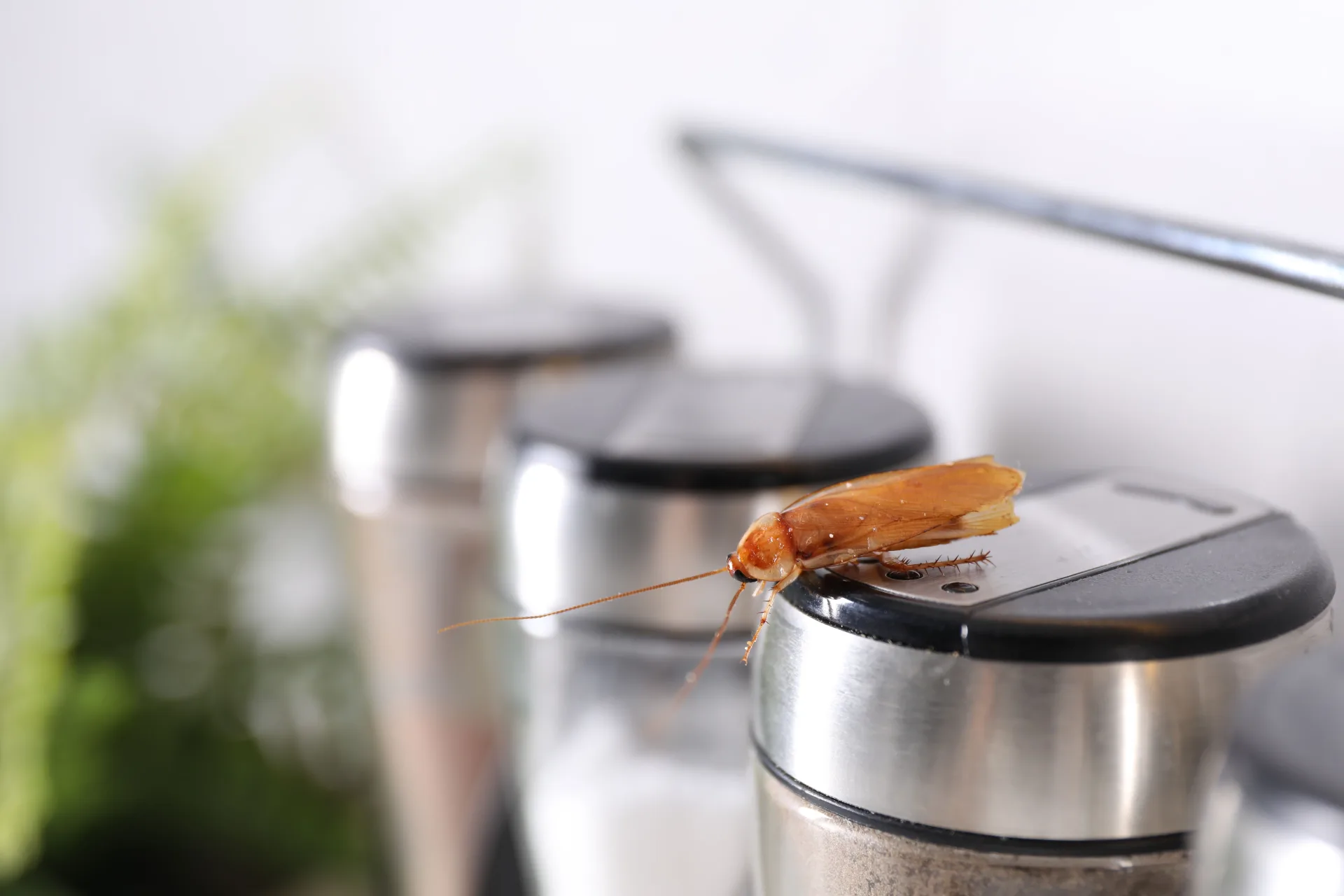
The Science of Cockroach Prevention: Cutting Off the 3 Requi | Bugsway Cockroach Control
Multi-Unit Building Strategies

Cockroach Prevention in Toronto Condominiums

Cockroach prevention in Toronto condominiums requires both unit-level and building-level action. At the unit level: apply silicone caulk to seal all gaps around plumbing penetrations under sinks and around the base of toilets — these wall voids are the primary interstate highways for cockroaches between units. Install door sweeps on the entry door to the unit and the utility and mechanical room doors. Report any sightings to building management immediately — early reporting allows intervention before the infestation spreads to adjacent units. Inspect grocery bags before bringing them inside since cockroaches frequently enter buildings in grocery and delivery bags from infested stores or distribution centres.

At the building level, cockroach prevention requires property managers to address sanitation in garbage rooms through sealed garbage chutes and regular power washing, laundry rooms by removing food debris and standing water, and mechanical rooms which often have persistent cockroach pressure due to warmth and undisturbed harborage. Regular quarterly monitoring with gel bait stations in high-risk areas — garbage room, laundry room, underground parking — allows early detection before infestations spread to residential floors. Bugsway provides quarterly building-level cockroach prevention programs that include monitoring station placement, trend analysis, and early treatment intervention in commercial and common areas before populations reach residential units.
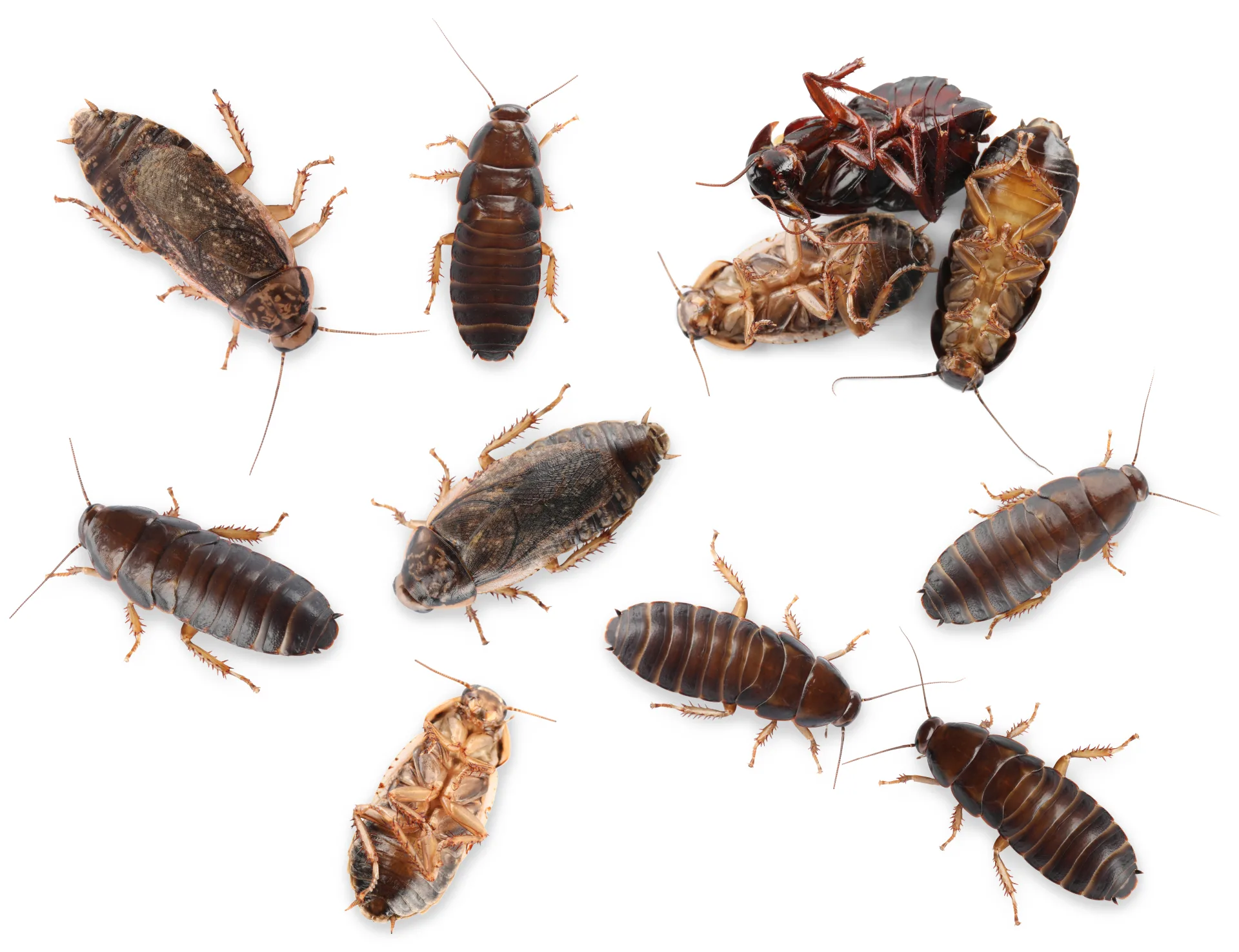
Cockroach Prevention in Toronto Condominiums | Bugsway Cockroach Control
Post-Treatment Maintenance

After Cockroach Treatment: Preventing Re-Infestation

The 60 days following professional cockroach treatment are the highest-risk period for re-infestation. Cockroach egg cases (oothecae) that were in protected harborage during treatment may hatch in the weeks after treatment, producing nymphs that encounter reduced chemical protection as residual insecticide ages. Continue monitoring by checking the areas where live cockroaches were previously found — any new sightings within 30 days trigger Bugsway's warranty re-treatment at no charge. Maintain the improved sanitation standards established before treatment — reversion to pre-treatment habits is the most common cause of recurrence in residential properties.

Re-infestation from adjacent units in multi-unit buildings is a persistent risk even after complete elimination within a single unit. Maintaining the gap-sealing work done during treatment — under-sink pipe gaps, base of kitchen cabinets, gaps at the back of drawer units — provides ongoing protection against migration from neighbouring suites. For high-risk properties including ground-floor units in older buildings, units adjacent to restaurant kitchens, and buildings with known building-wide cockroach pressure, quarterly monitoring visits provide early detection and allow treatment before populations re-establish. Bugsway's maintenance program clients consistently report longer intervals between infestation events compared to clients who rely solely on reactive treatment.
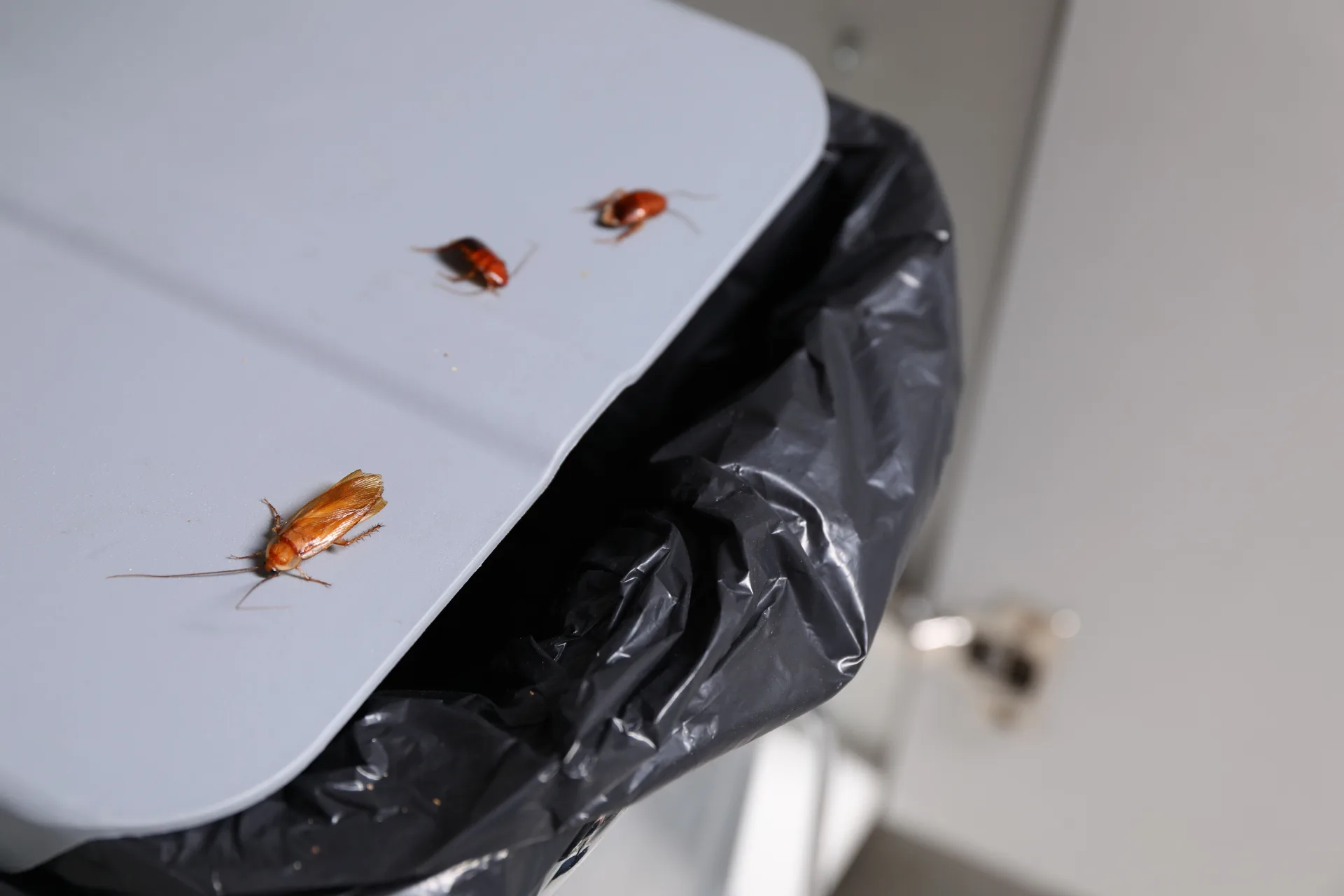
After Cockroach Treatment: Preventing Re-Infestation | Bugsway Cockroach Control

Frequently Asked Questions

Questions? Call 416-555-5555

How do I know if my cockroach prevention measures are working?
The clearest indicator is an absence of sightings and evidence over time. For a more objective measure, place sticky monitoring traps in previously active areas — under the sink, inside the base of the refrigerator, behind the stove. If monitoring counts remain at zero across 3-4 monthly checks, prevention is working. Bugsway's monitoring station programs provide documented count data and trend analysis over time.
Do natural repellents like bay leaves or essential oils actually work?
No. Bay leaves, peppermint oil, cedar, and similar natural repellents have not demonstrated reliable efficacy against German cockroach infestations in peer-reviewed research. Cockroaches may avoid an area treated with a strong volatile repellent temporarily, but this only displaces them rather than reducing the population. Professional-grade gel baits and residual insecticides are the evidence-based tools for cockroach control.
When is the best time to start a prevention program?
The best time is before an infestation occurs — ideally when moving into a new unit, after a previous infestation has been treated, or when your building management notifies you of cockroach activity in the building. Prevention is far less expensive than reactive treatment. For properties in Toronto buildings with known cockroach history, starting prevention immediately provides the highest return on investment.
How do I prevent cockroaches when moving into a new apartment?
Before moving in: request the building's pest control treatment history; arrange a professional inspection of the vacant unit before your furniture arrives; have preventive gel bait placed in the kitchen and under-sink areas; and seal all pipe penetrations with silicone caulk. When bringing in belongings, inspect all boxes and secondhand furniture. Avoid bringing cardboard boxes from a move inside overnight — unpack and dispose of cardboard immediately.
Are gel bait cockroach prevention products safe around pets?
Professional gel baits are applied in very small quantities in enclosed crack-and-crevice locations — inside cabinet hinges, behind appliances, inside drawer gaps — that pets cannot access. The active ingredient quantities in a single bait application are far below the level that would cause harm to a dog or cat even if ingested. Bugsway does not apply bait to open surfaces where pets could directly contact it.
How do I prevent bringing cockroaches home from travel?
Cockroaches can be introduced in luggage, particularly in bags stored on hotel room floors or in shared luggage storage areas. When returning from travel: inspect luggage before bringing it inside; wash all clothing immediately on high heat; and do not store luggage in bedroom closets — keep it in a utility room or garage. If you stayed in accommodation with any evidence of cockroach activity, a precautionary inspection of your home is worthwhile.
What can I do if cockroaches are coming from my neighbour's unit?
Report the issue to building management in writing — property managers in Ontario have a legal obligation under the Residential Tenancies Act to maintain the building in a good state of repair, which includes pest control. In your own unit, seal all plumbing wall penetrations with silicone caulk and install door sweeps. Bugsway can treat your unit with residual insecticide applied at entry points — this creates a barrier that kills cockroaches entering from adjacent units before they can establish in your space.
Is prevention cheaper than treatment in the long run?
Significantly, yes. A reactive treatment for a moderate German cockroach infestation typically costs $300-$600 per visit with 2-3 visits required. A quarterly prevention program costs a fraction of a single treatment cycle annually. For properties with a history of infestations, the cost of prevention is almost always lower than the cost of repeated reactive treatment — and prevention avoids the disruption, stress, and potential health impacts of an active infestation.

Contact Bugsway Today

Prevention services available throughout Toronto and the GTA. Licensed, insured, and documented.

Also see our German cockroach treatment and restaurant cockroach control services.