Same-Day Emergency Service Available — GTA's #1 Rated Pest Control | 📞 416-555-5555

Toronto's #1 Hardest Cockroach to Eliminate

German Cockroach
Treatment Toronto

Multi-stage gel bait, IGR, and residual treatment protocols that eliminate German cockroach infestations completely. Licensed technicians. Follow-up included. Serving all Toronto neighbourhoods.
Licensed Exterminator
Multi-Stage Protocol
Follow-Up Included
15+ Years in Toronto
Understanding Why This Species Demands Specialized Treatment

German Cockroaches: Toronto's Most Persistent Household Pest
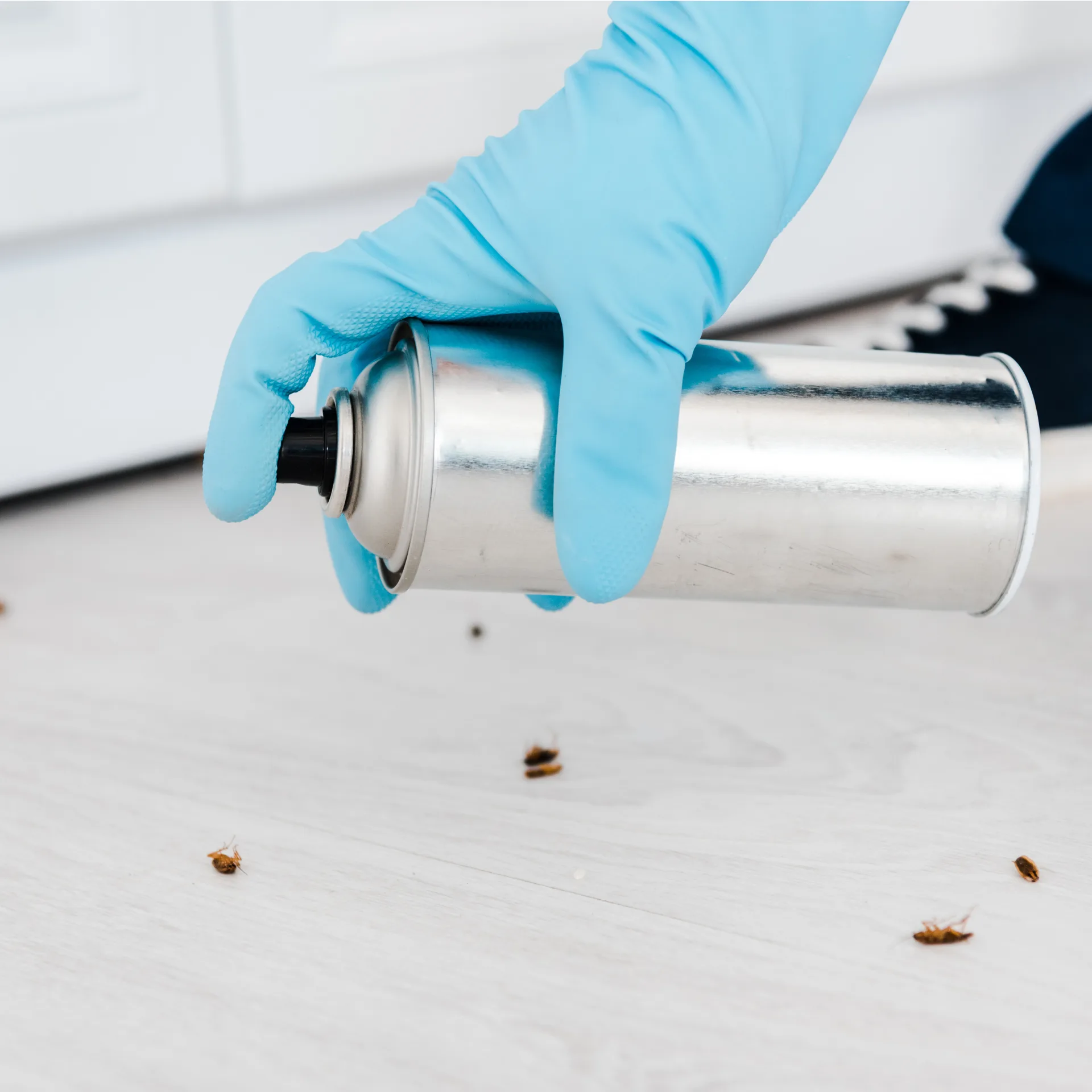
German cockroaches (Blattella germanica) are the dominant cockroach species in Toronto's residential and commercial kitchens. Despite their name, they originated in Southeast Asia and have spread globally through the movement of food, goods, and people. In Toronto, their presence is particularly concentrated in the city's high-density apartment corridors — buildings along Yonge Street, in Scarborough's older housing stock, North York's highrise clusters, and older rowhouse neighbourhoods in East York and the Junction. What distinguishes German cockroaches from other species is their combination of prolific reproduction, compact size, and dependence on indoor environments. They cannot survive Canadian winters outdoors and rely entirely on heated buildings year-round. A single mated female carrying an egg case containing 30–48 eggs can establish a new infestation in any heated structure. The egg-to-adult cycle completes in as little as 36 days under ideal conditions (28°C, abundant food and water), meaning a population can grow from a handful of individuals to hundreds in a matter of months. Adult German cockroaches are 12–15 mm long, light brown to tan in colour, with two distinctive dark parallel stripes running lengthwise behind the head. They are nocturnal, spending most of their lives in harborage crevices within a few metres of their preferred food and water sources. When you see cockroaches during the day, it is typically a sign of an overcrowded population that has exceeded available harborage space — a signal that the infestation has reached significant size. In Toronto's older apartment buildings, German cockroaches are a persistent multi-unit challenge. They travel freely through shared wall voids, plumbing pipe chases, electrical conduits, and the gaps under suite doors. A single heavily infested unit can re-populate neighbouring units repeatedly if the source is not addressed. Bugsway has deep experience managing German cockroach infestations in multi-unit residential buildings across Toronto and works with property managers to develop building-wide treatment protocols.
Professional german cockroach treatment service Toronto GTA
The Science Behind Effective German Cockroach Elimination

Why DIY Cockroach Treatments Fail — and What Works
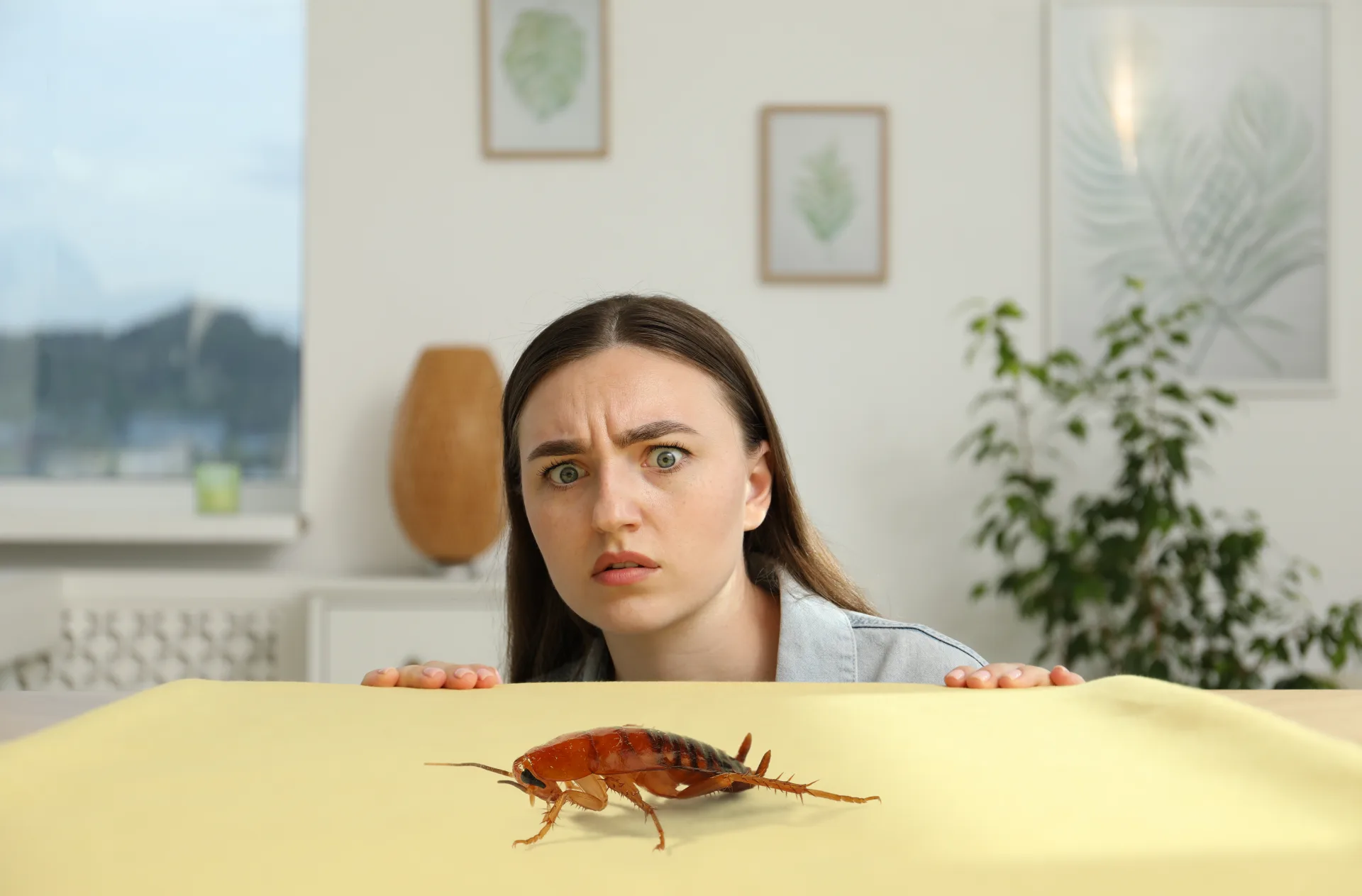
Hardware store sprays and foggers are among the least effective tools for German cockroach control and can actively worsen infestations. Here is why, and what professional treatment does differently. Aerosol and fogger products rely on contact kill — the insecticide must physically touch the cockroach to be effective. German cockroaches spend 80% of their time inside crevices, behind appliances, and within wall voids where aerosols and fog cannot penetrate. The surface residual left by consumer products wears off within days, provides no secondary kill through the colony, and — when applied repeatedly — selects for insecticide-resistant individuals. Consumer flea bombs and total release foggers are particularly counterproductive: they drive cockroaches deeper into harborage areas and behind sealed surfaces, making professional treatment harder. Professional German cockroach treatment uses a multi-mode approach that overcomes these limitations. Gel bait (professional-grade formulations containing food attractants and slow-acting insecticides) is placed precisely at the entrance of harborage sites. Cockroaches consume the bait, return to the harborage, and transfer the active ingredient to nest-mates through grooming (trophallaxis) and fecal-oral contact. This cascade kills individuals that never contacted the bait directly — including those inside egg cases. Insect growth regulators (IGR) are applied as a companion treatment to disrupt larval development, preventing surviving nymphs from reaching reproductive maturity and breaking the reproductive cycle. Residual insecticide is applied in crack and crevice application — directly into harborage sites using professional spray equipment — rather than broadcast-sprayed on open surfaces. This maximizes contact exposure while minimizing product use and reducing any risk of contaminating food preparation areas. Bugsway technicians are trained in the specific harborage patterns of German cockroaches and know exactly where to apply each product for maximum effectiveness. All products are registered with Health Canada (https://www.canada.ca/en/health-canada.html) for food-handling premises.
German Cockroach Treatment treatment process by Bugsway certified technician
Integrated protocols for complete colony elimination

German Cockroach Treatment Services

Infestation Assessment

Thorough inspection of all harborage areas: kitchen appliances, cabinet hinges, plumbing penetrations, electrical panels, and bathroom vanities. We document infestation severity and identify introduction sources.

Gel Bait Application

Professional-grade gel bait placed at dozens of precision harborage entry points. Secondary kill through colony transfer eliminates individuals that never contact the bait directly, including those in harborage crevices.

Insect Growth Regulator (IGR)

IGR application disrupts the development of surviving nymphs, preventing them from reaching reproductive adulthood. This breaks the reproductive cycle and prevents population rebound between treatment visits.

Crack & Crevice Residual Treatment

Residual insecticide applied with precision equipment into harborage sites — not broadcast-sprayed on surfaces. Maximizes cockroach contact while minimizing product use and food surface contamination risk.

Follow-Up Treatment

A scheduled follow-up visit 2–3 weeks after initial treatment eliminates newly hatched nymphs that were protected in egg cases during the first visit. Follow-up is standard in our residential treatment programs.

Multi-Unit Building Programs

Building-wide German cockroach management for Toronto apartment buildings. Coordinated treatment of multiple suites with property management documentation for compliance and tenant communication support.

German Cockroaches Spotted in Your Kitchen?

Even a few cockroaches visible during the day indicate a large hidden population. Act now before the colony grows further.

Systematic, Multi-Stage Elimination — Not a One-Visit Spray

Our German Cockroach Treatment Process
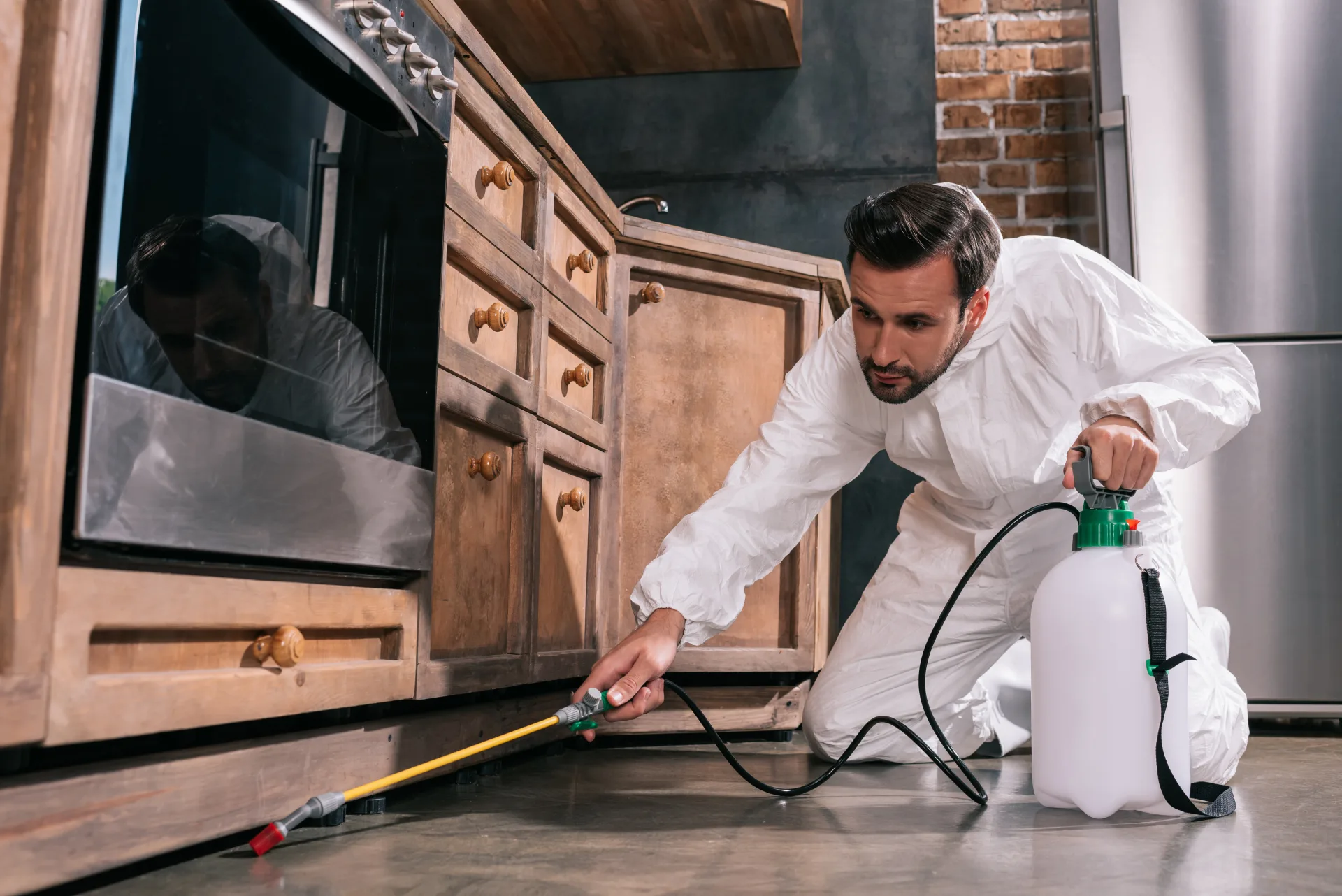
German cockroach infestations require a systematic, multi-stage approach. A single spray visit is insufficient for complete elimination. Bugsway's treatment program is structured around the cockroach's biology to achieve full colony collapse. Visit 1 — Initial Treatment: The technician conducts a thorough inspection of all kitchen and bathroom harborage areas, documenting infestation severity and identifying likely introduction sources. Gel bait is applied at 30–50 precision placement points throughout the kitchen: inside cabinet hinges, behind the refrigerator motor cover, under the stove insulation lip, inside the dishwasher electrical box, and in bathroom vanity areas. IGR is applied to crack and crevice areas. Residual insecticide is applied inside cabinet toe-kick areas and behind appliances. You will typically see increased cockroach activity for 3–5 days after treatment as cockroaches are driven out of harborage areas to feed on bait. Visit 2 (2–3 weeks later) — Follow-Up Treatment: By this point, adults killed in the first treatment have been replaced by nymphs hatching from egg cases that were present during the first visit. The follow-up treatment eliminates this new generation, applies fresh bait where original placements have been consumed, and assesses treatment efficacy. Any newly identified harborage areas receive additional treatment. Monitoring — Glue Trap Deployment: Monitoring glue stations are placed in key locations to track population decline between visits and confirm elimination. Population counts from monitoring stations inform the need for additional treatment visits. Sanitation Consultation — The technician provides specific sanitation guidance based on conditions observed during the inspection: appliance cleaning protocols, food storage recommendations, and structural exclusion measures to reduce harborage availability.
Bugsway german cockroach treatment specialist at work

German Cockroach Treatment Pricing

Transparent pricing based on infestation severity and property size. Quote confirmed before work begins.

Standard

Light to moderate infestation, single unit

$199 – $349
  • Full kitchen/bathroom inspection
  • Gel bait + IGR + residual treatment
  • 1 follow-up visit (2–3 weeks)
  • Sanitation recommendations
  • 60-day guarantee
Call for Exact Quote
MOST POPULAR

Comprehensive

Heavy infestation, multi-room, or multi-unit building

$399 – $699
  • Everything in Standard
  • 2–3 follow-up visits included
  • Glue trap monitoring program
  • Full-building coordination (multi-unit)
  • 90-day guarantee
Book Comprehensive Treatment

Pricing varies by infestation level and property size. All quotes confirmed before work begins. HST applicable.

Expertise, Accountability, and Guaranteed Results

Why Toronto Homeowners Trust Bugsway for German Cockroach Control
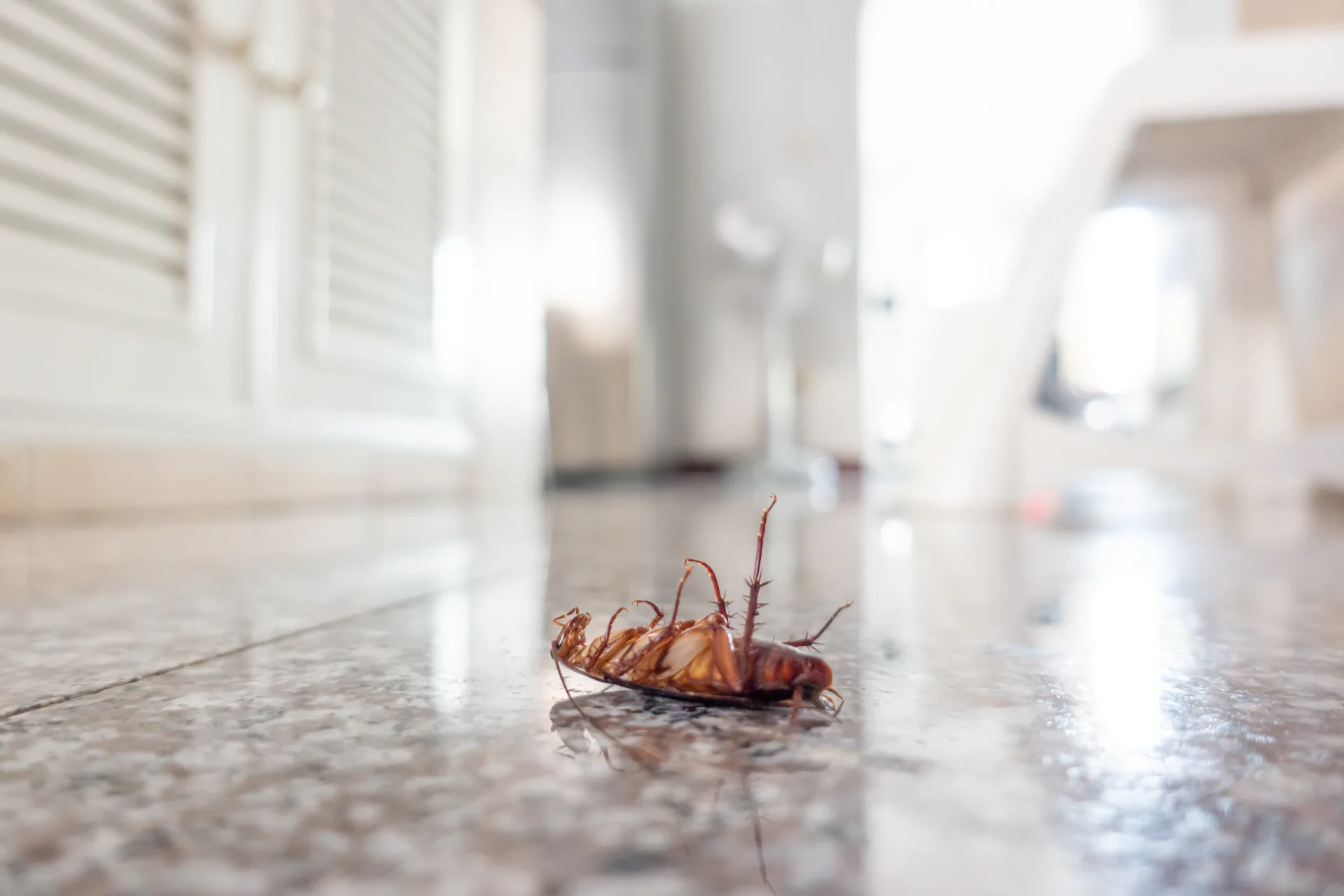
German cockroach treatment is one of the most technically demanding services in residential pest control. Success requires accurate infestation assessment, product rotation to prevent resistance development, precise bait placement, and follow-up that accounts for the cockroach's reproductive cycle. Bugsway has been refining its German cockroach protocols since 2009 and has treated thousands of residential and commercial infestations across Toronto. Our technicians complete ongoing training on cockroach biology, IPM principles, and resistance management. We rotate bait formulations between visits to prevent resistance development — a critical step that many pest control operators overlook. We document all product applications and provide clients with a full service report. For multi-unit residential buildings, Bugsway works directly with property managers and superintendents to coordinate access, communicate preparation requirements to tenants, and develop building-wide treatment schedules. We understand that a single infested unit in a Toronto apartment building is a building-wide problem, and we design treatment programs accordingly. For commercial food service operations — restaurants, cafeterias, catering facilities — we provide Health Canada-compliant treatment with full HACCP documentation. Our commercial treatments use products registered for food-handling premises and are scheduled to minimize operational disruption. We stand behind our work with a written service guarantee. If cockroach activity persists beyond the guarantee period despite proper preparation and cooperation, we return at no additional charge.
Why Toronto Homeowners Trust Bugsway for German Cockroach Co | Bugsway Cockroach Control

Get a Free German Cockroach Assessment

Don't wait — German cockroach populations double every few weeks. Call or book online for a same-week inspection.

Frequently Asked Questions

Everything you need to know about German cockroach treatment in Toronto

Why are German cockroaches so difficult to eliminate?
German cockroaches reproduce faster than any other cockroach species — a single female produces up to 400 offspring in her lifetime. Egg cases contain 30–48 eggs and are carried by the female until just before hatching, protecting them from surface pesticide applications. Populations can develop resistance to insecticides when the same product is used repeatedly. Effective elimination requires combining multiple control methods: gel bait, insect growth regulators (IGR), residual sprays, and thorough sanitation guidance.
Where do German cockroaches hide in Toronto homes?
German cockroaches seek warm, humid environments near food and water. Primary harborage areas include: behind and under refrigerators, inside stove insulation and motor housing, under the dishwasher, inside cabinet hinges, behind wall-mounted electrical panels, and inside bathroom vanities. In Toronto apartment buildings, they spread through shared wall voids, plumbing chases, and the spaces under doors.
How do German cockroaches get into Toronto homes?
The most common introduction route is through infested secondhand appliances. Grocery bags and cardboard boxes from infested stores are another common vector. In multi-unit buildings, cockroaches migrate between units through wall voids, pipe penetrations, and under doors. Restaurant supply deliveries and shared laundry facilities are additional introduction points.
What treatment methods does Bugsway use?
Bugsway uses an integrated approach combining: gel bait at harborage sites (with secondary kill through colony transfer); insect growth regulator (IGR) to disrupt larval development; and residual insecticide applied to crack and crevice areas. All products are Health Canada-registered for food-handling premises.
How many treatments are required?
Most residential infestations require 2–3 treatments spaced 2–3 weeks apart. The first treatment kills foraging adults and delivers bait to the colony. The follow-up treatment eliminates newly hatched nymphs. Heavy infestations or multi-unit building situations may require 3–4 visits.
Is German cockroach treatment safe for children and pets?
Bugsway uses gel bait applied in targeted placements inside cabinet hinges, behind appliances, and in crack and crevice sites inaccessible to children and pets. Residual sprays are applied only to surfaces where children and pets do not have contact. All products are Health Canada-registered for food-handling premises.
What should I do to prepare for treatment?
Before treatment: empty kitchen cabinet contents (especially under-sink areas), pull appliances away from walls if accessible, and remove dishes and food items from lower cabinet shelves. Do NOT apply any over-the-counter sprays or foggers before treatment — these repel cockroaches from bait placements and reduce treatment effectiveness significantly.
Can German cockroaches affect my health?
Yes. German cockroaches are significant public health concerns. Their shed skins, fecal matter, and body fragments are potent allergens — a leading trigger of asthma symptoms, particularly in children. They are mechanical vectors of Salmonella, E. coli, and other pathogens, contaminating food preparation surfaces as they forage at night.
The Challenge

Why German Cockroaches Are the Hardest Pest to Eliminate

German cockroaches (Blattella germanica) are the most difficult common household pest to eliminate for three reasons: rapid reproduction, cryptic behaviour, and insecticide resistance. A single female produces 4-8 oothecae containing 30-40 eggs each, giving a population the capacity to double every 6 weeks under good conditions. Their cryptic behaviour means they aggregate in cracks and voids inside walls, appliances, and furniture where most consumer products cannot reach — only 5-10% of the population is ever visible at any time. Populations in Toronto and other major urban centres have also developed broad resistance to pyrethroid-class insecticides after decades of consumer product use, meaning a pest management approach that worked 10 years ago may be largely ineffective today.

The resistance issue is why professional treatments use rotation protocols — applying products from different chemical classes including neonicotinoids, indoxacarb, and non-pyrethroid residuals in successive treatments so that insects resistant to one class are killed by the next. Gel bait is the primary tool for German cockroach control because it works through delayed action: cockroaches feed on the bait, carry active ingredient back to the harborage, and share it with nestmates through regurgitation and fecal contamination. This colony-level kill is what makes professional gel bait significantly more effective than contact-kill products that only kill the individual insect touching the insecticide at the moment of application.
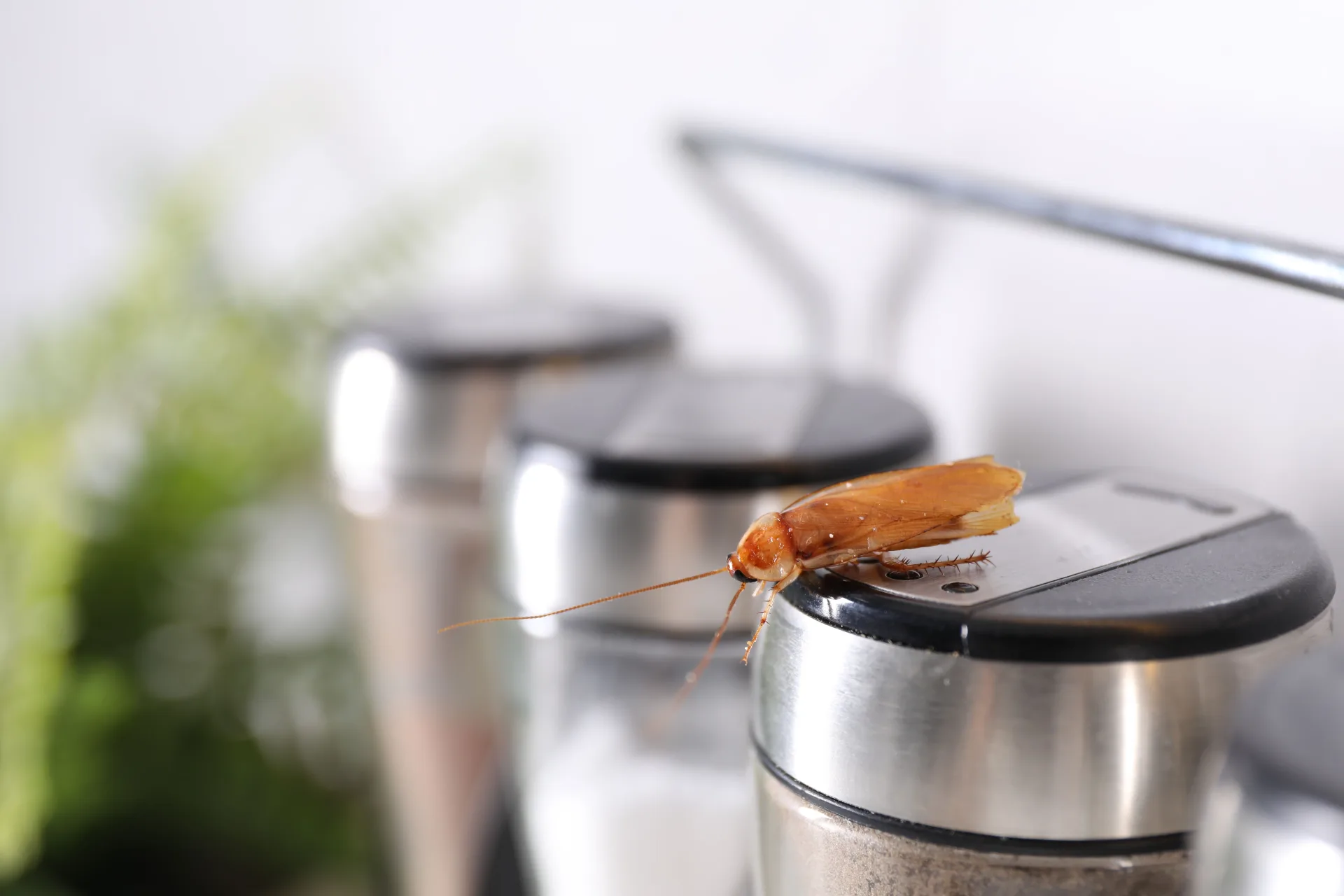
Why German Cockroaches Are the Hardest Pest to Eliminate | Bugsway Cockroach Control
Food Service Protocol

German Cockroach Treatment in Restaurant Kitchens

Restaurant kitchens present the ideal environment for German cockroach reproduction — warmth, humidity, abundant food, and endless harborage in appliance motors, compressor units, under equipment, and inside wall voids around plumbing. A restaurant kitchen with 500 visible cockroaches likely has 5,000-15,000 in total since only 5-10% of the population is visible at any time. Eliminating a restaurant German cockroach infestation requires treating all appliances including pulling equipment away from walls, all wall void areas around plumbing, the framing inside hood systems, and all under-counter storage areas. Treatment is performed after closing — product application on all surfaces, gel bait placement in all void spaces.

HACCP-compatible treatment uses products specifically registered for food-handling areas, applied only to surfaces that do not contact food. Gel bait is placed inside appliance voids, hinges, and gap areas — never on food prep surfaces. Residual spray is limited to wall and floor junctions in non-food areas. After treatment, the restaurant receives a written service report documenting products used, application locations, and activity found — this documentation is accepted by DineSafe inspectors. Multiple treatments, typically 3 at 2-week intervals, are required to break the reproductive cycle and reach all cockroaches through bait transfer and successive product applications.
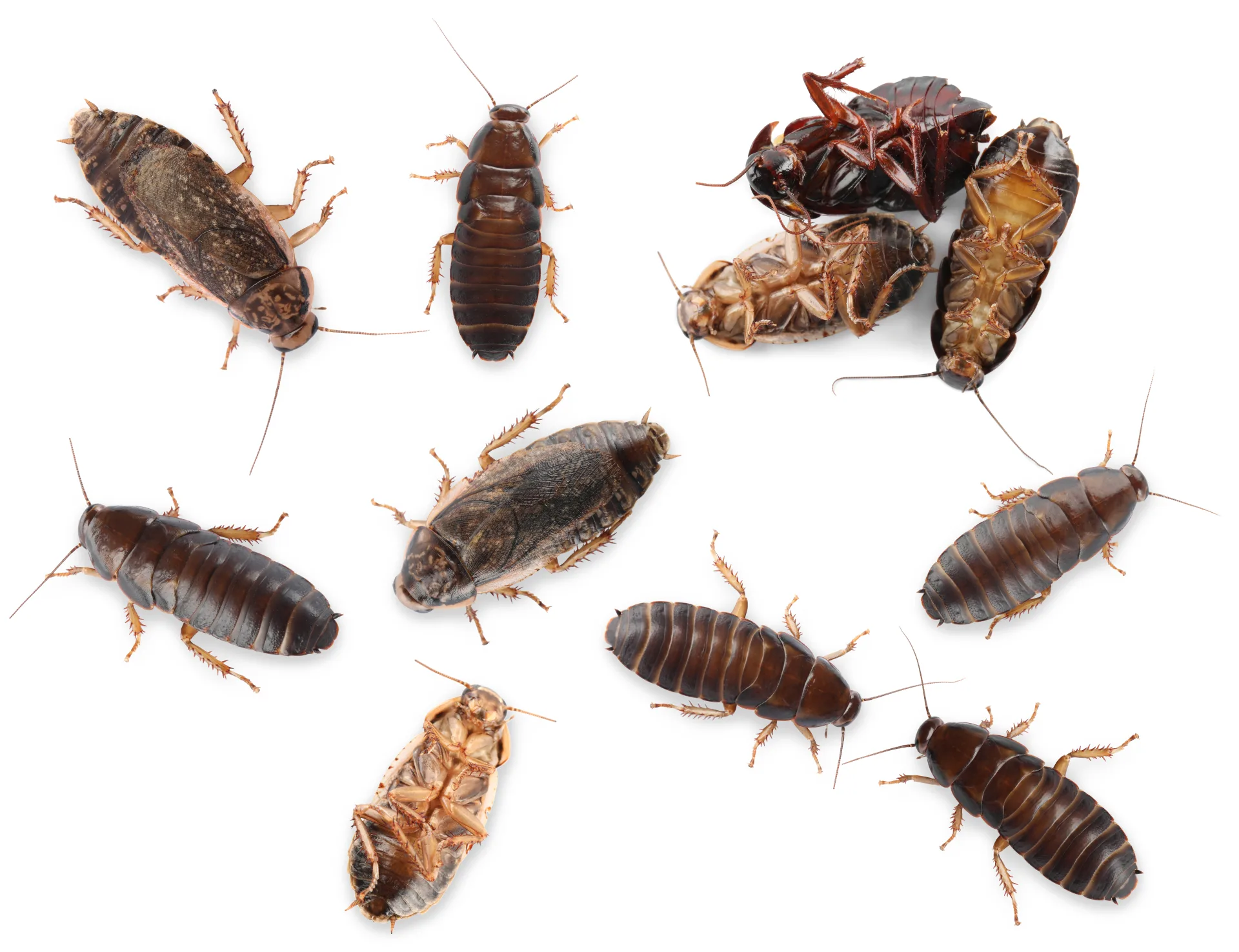
German Cockroach Treatment in Restaurant Kitchens | Bugsway Cockroach Control
Coordinated Elimination

German Cockroach Treatment for Multi-Unit Buildings

German cockroach infestations in Toronto condominiums and apartment buildings require coordinated multi-unit treatment for lasting control. Cockroaches travel freely between units through plumbing walls, electrical conduit, and shared building infrastructure — treating a single unit while adjacent units remain infested results in rapid re-infestation as displaced cockroaches return through the same shared pathways. The standard of care for building-wide German cockroach infestations involves simultaneously treating the identified unit plus adjacent units sharing plumbing walls — directly above, below, and to each side. For buildings with known building-wide pressure, whole-floor treatment at each service visit is more cost-effective than repeated single-unit reactive treatment cycles.

Property managers working with Bugsway on German cockroach programs receive monthly service reports including pest activity trend data showing which units and areas have active infestation pressure. This data-driven approach allows treatment resources to be focused on the highest-activity zones and enables property managers to document due diligence for Landlord and Tenant Board (LTB) proceedings. Bugsway provides standardized cockroach monitoring station placement and check logs formatted for property management record-keeping and insurance documentation requirements, ensuring a complete paper trail for every service interaction across the building.
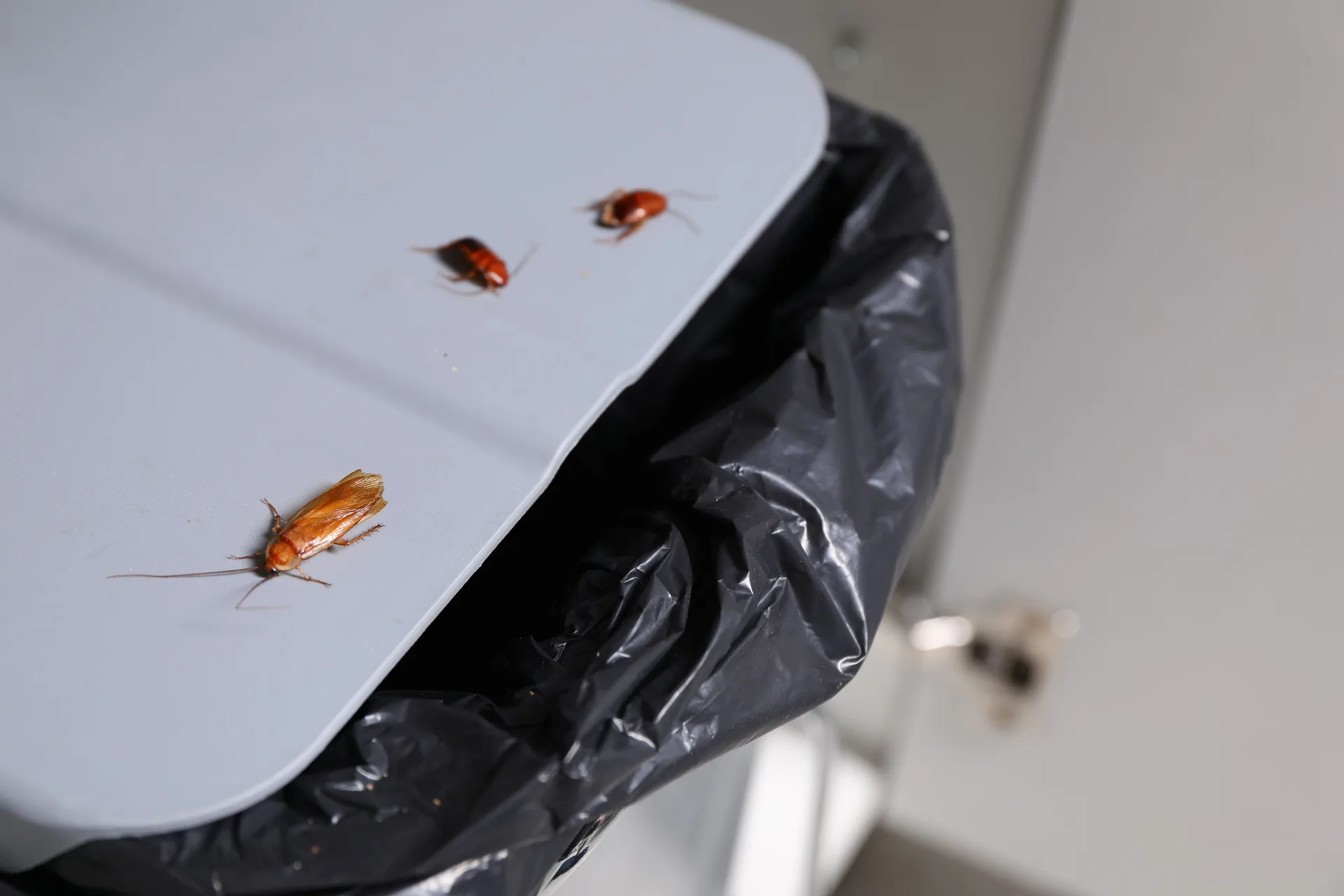
German Cockroach Treatment for Multi-Unit Buildings | Bugsway Cockroach Control

Frequently Asked Questions

Questions? Call 416-555-5555

Why do cockroaches appear even in a very clean home?
German cockroaches can enter even immaculately maintained homes through introduction vectors that have nothing to do with sanitation — infested grocery bags, secondhand appliances, or migration from neighbouring units through shared plumbing walls. Once a very small founding population establishes in a crevice near a warm appliance, they can sustain themselves on minimal food residue. A clean home makes large infestations less likely but does not make introduction impossible.
How do I tell a German cockroach apart from an American cockroach?
German cockroaches are much smaller — adults are 12-15mm (about half an inch) — pale tan to brown, and have two dark parallel stripes running from the head down the pronotum (the plate behind the head). American cockroaches are significantly larger at 35-40mm, reddish-brown, and have a pale yellowish figure-8 pattern on the back of their head. German cockroaches are the species most commonly found in Toronto kitchens and apartments. American cockroaches are more common in commercial building infrastructure and basement areas.
What does German cockroach frass look like?
German cockroach frass appears as very small dark brown to black specks resembling ground black pepper or coarsely ground coffee. Fresh frass has a slightly moist appearance while older deposits are dry and dusty. You will typically find it accumulated in corners of shelves, along the back wall of kitchen cabinets, inside drawer tracks, around appliance hinges, and in the corners of any surface near a harborage area. Heavy frass deposits with a musty sweet odour indicate a large, well-established population.
Do German cockroaches die in cold temperatures?
German cockroaches are not cold-tolerant and cannot survive outdoors through a Toronto winter. However, they live entirely inside heated buildings and are completely unaffected by seasonal temperature changes outside. Temperatures below 15°C slow their reproduction and activity, but temperatures inside Toronto apartments rarely approach that threshold. Cold is not an effective cockroach control method for indoor infestations in residential or commercial buildings.
Why are cockroaches visible during the daytime?
German cockroaches are primarily nocturnal — daytime sightings typically indicate that the population has grown to the point where harborage areas are overcrowded and some individuals are being pushed out during daylight hours. Daytime cockroach activity is generally a sign of a large, well-established infestation that warrants immediate professional treatment. It can also indicate that a consumer spray has been applied and is pushing cockroaches out of their harborage without killing them.
Do cooking smells attract cockroaches?
Food odours do attract cockroaches, but the more significant attractants are grease residue on cooking surfaces, food debris in appliance motors and heating elements, and standing organic matter in drain areas. Cockroaches are attracted to fermented and decaying organic matter as much as fresh food. Cleaning cooking grease from the stovetop, oven hood filter, and toaster tray is more impactful prevention than simply covering food, as these residues remain and accumulate even in otherwise clean kitchens.
How long does it take to fully eliminate a German cockroach infestation?
A moderate residential German cockroach infestation typically requires 4-6 weeks for full elimination across the standard 2-3 treatment programme. Heavy infestations — where the population has been established for months and has spread to multiple rooms or units — may require 6-10 weeks and 3-4 service visits. Results after the first treatment are usually visible within 48-72 hours as bait kills the foraging population, but complete elimination of all life stages including egg cases requires multiple treatments timed to the hatching cycle.
Can a single egg case restart an infestation after treatment?
Yes. A single ootheca (egg case) that hatches after treatment can produce 30-40 nymphs and restart an infestation if no residual treatment is present. This is why Bugsway uses residual insecticides as part of the treatment protocol — not just bait — so that nymphs hatching after each treatment encounter insecticide on surfaces they contact. The multi-visit treatment schedule is specifically timed to ensure nymphs from late-hatching egg cases are encountered by residual product before they reach reproductive maturity.

Contact Bugsway Today

Fast response, proven protocols, guaranteed results across Toronto and the GTA.

Also see our cockroach prevention and restaurant cockroach control services.