Mosquito Control
Vaughan, ON
Professional mosquito barrier spray and breeding site management for Vaughan homeowners. Protecting outdoor living spaces from Humber River ravine pressure in Woodbridge and Kleinburg to stormwater pond margins in Maple and Vellore Village — and every Vaughan neighbourhood in between.
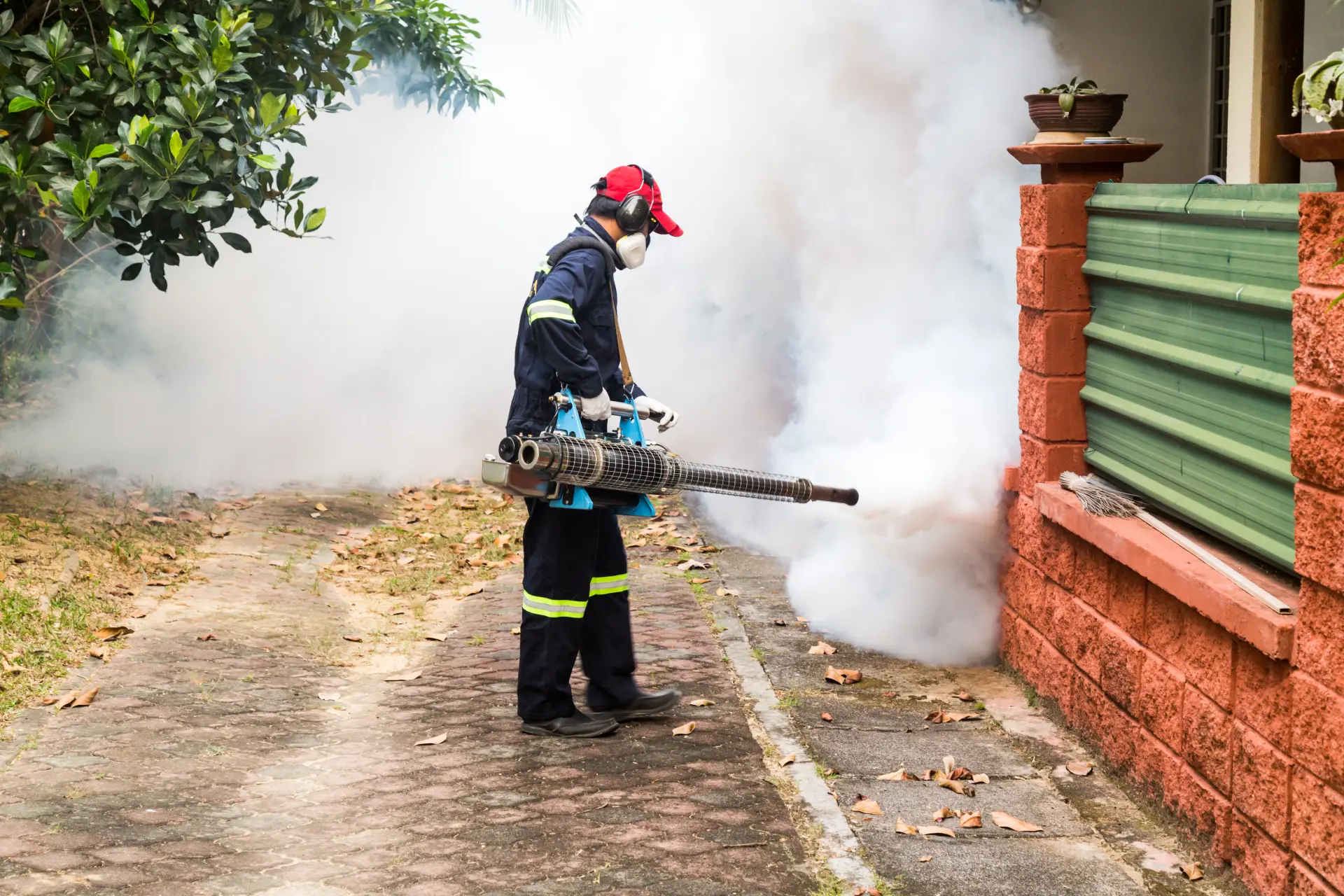
Why Vaughan Has a Serious Mosquito Problem
Vaughan's unique combination of natural landscape features and rapid suburban development has created conditions that consistently produce high mosquito pressure across the city — often significantly worse than neighbouring GTA municipalities. Understanding the geographic drivers of Vaughan's mosquito problem is the first step to effective control.
The Humber River runs through Woodbridge and Kleinburg, forming one of the GTA's most significant mosquito breeding corridors. The river's floodplain maintains standing water in low-lying areas for extended periods after rainfall, spring melt and summer storms. Dense riparian vegetation along the ravine provides both larval habitat in pooled water and sheltered daytime resting habitat for adult mosquitoes. Residents of Woodbridge's ravine-edge streets and Kleinburg's Humber River valley lots routinely experience intense mosquito pressure from late May through September, with peak activity extending well into the evening hours.
Maple, Vellore Village, Patterson and Concord are dominated by large-lot residential development built around a network of stormwater management ponds. These ponds — required under York Region's stormwater management regulations — are designed to capture runoff from roads, rooftops and parking areas before releasing it slowly into the watershed. Their shallow margins, warm summer temperatures and gradual vegetated edges create near-ideal mosquito breeding conditions. A single typical Maple stormwater pond can produce thousands of adult mosquitoes per week during peak summer conditions.
Vaughan's northern boundary along King-Vaughan Road and the city's remaining agricultural land features drainage ditches, tile drain outlets and low-lying field depressions that hold standing water throughout the growing season. Agricultural mosquito pressure from these sources affects communities including Nashville, Maple North and the rural-suburban interface along Highway 400's northern approaches. York Region Public Health's West Nile Virus surveillance program monitors mosquito populations across York Region including Vaughan, and has detected West Nile-positive mosquitoes in the region in previous years — underscoring the public health importance of property-level mosquito control.
Vaughan Mosquito Breeding Sources
- Humber River floodplain wetlands (Woodbridge, Kleinburg)
- Kleinburg open agricultural land drainage and low areas
- Maple and Vellore Village stormwater management pond margins
- Patterson and Concord subdivision retention ponds
- Agricultural drainage ditches near King-Vaughan Road corridor
- Residential low areas, blocked eavestroughs and decorative water features
- Naturalized buffer wetlands along Vaughan green belt edges
York Region Public Health & West Nile
York Region Public Health monitors West Nile Virus activity across York Region annually, including trap catches, larval surveys and adulticiding interventions in high-priority public areas. Residents can report standing water in public areas — catch basins, ditches, stormwater infrastructure — to York Region for assessment and potential larviciding.
Property-level barrier treatments from Bugsway complement the region's public health program by dramatically reducing adult mosquito populations in your immediate outdoor living space — where family exposure is highest.
Mosquito Pressure by Vaughan Neighbourhood
Our Vaughan mosquito control technicians know the specific pressure dynamics of each community we serve. Here is what drives mosquito populations in Vaughan's key neighbourhoods.
Woodbridge
The Humber River ravine running through Woodbridge is the dominant mosquito pressure source. Ravine-adjacent streets experience intense early-season pressure from floodplain pooling and sustained summer pressure from dense riparian vegetation sheltering adult mosquitoes. Monthly barrier spray from May through September is strongly recommended for ravine-edge properties.
Kleinburg
Kleinburg's Humber River valley location, open agricultural land, and the Kortright Centre for Conservation wetland complex in the vicinity create sustained mosquito pressure throughout the season. Heritage properties with mature landscaping, ponds and naturalized gardens are particularly high-pressure environments that benefit from early-season treatment starting in May.
Maple
Maple's large-scale stormwater pond network is Vaughan's most concentrated suburban mosquito breeding infrastructure. Homes backing onto retention ponds or within two to three blocks of them experience measurably higher mosquito pressure than properties further away. Regular barrier treatment creates an effective buffer zone despite proximity to these large breeding sources.
Vellore Village
Vellore Village shares Maple's stormwater pond dynamics and adds large-lot landscaping with significant decorative water features, rain gardens and premium landscaping that can accumulate standing water. Thorough breeding site assessment during the initial treatment visit helps identify and eliminate on-property sources before the barrier spray program begins.
Patterson & Concord
Patterson and Concord's suburban character includes numerous small green spaces, naturalized corridor edges and stormwater features that provide mid-season mosquito pressure. Concord properties backing onto the Rutherford Road green corridor or Bartley Smith Greenway experience elevated pressure from naturalized vegetation along these linear parks.
Nashville & Northern Vaughan
Nashville and the King-Vaughan Road agricultural fringe bring rural mosquito pressure into residential areas. Field drainage ditches, tile drain outlets and low-lying pasture depressions near the city's northern boundary produce early-season mosquito populations that move into residential areas on prevailing winds. Early-May treatment timing is particularly important for these properties.
What's Included in Vaughan Mosquito Control
Every treatment visit covers your full property — barrier spray, breeding site assessment, and seasonal recommendations.
Property Mosquito Assessment
Technician walks your entire Vaughan property to identify resting habitat (shaded shrubs, dense ground cover, lower tree canopy) and any standing water breeding sources including blocked gutters, low areas, containers, and ornamental water features.
Full Perimeter Barrier Spray
PMRA-registered residual insecticide applied thoroughly to all shaded vegetation, ornamental shrubs, lower tree canopy edges, fence lines, deck undersides, and other mosquito resting areas across your Vaughan property perimeter.
Breeding Site Treatment
Standing water sources on your property — ornamental ponds, bird baths, catch basins, and pooling areas — treated with mosquito dunks or larvicide granules to eliminate larvae before they emerge as biting adults.
Focus on Outdoor Living Zones
Extra attention applied to deck surrounds, patio perimeters, play areas and garden seating spaces — the areas where your family spends the most time. Woodbridge and Kleinburg ravine properties receive additional treatment along the ravine-facing property edge.
3–4 Week Residual Protection
Each barrier spray application provides three to four weeks of significantly reduced mosquito activity on your Vaughan property. Seasonal programs schedule visits at optimal intervals to maintain continuous protection from May through September.
Seasonal Program Option
Pre-scheduled seasonal programs for Vaughan homeowners: five to six treatments from May through September, timed to your property's specific pressure level and adjusted based on rainfall and seasonal conditions. Priority scheduling and preferred customer rates apply.
Vaughan Seasonal Mosquito Control Program
Five to six pre-scheduled treatments from May through September keep your Vaughan outdoor spaces protected across the full mosquito season.
Early-season first application. Targets overwintered adults emerging from leaf litter and establishes baseline barrier protection as backyard season begins.
First-generation adults from spring breeding sources now active. Key month for Humber River ravine properties in Woodbridge and Kleinburg.
Peak breeding season. Stormwater ponds in Maple and Vellore Village at maximum production. Barrier renewal timed to overlapping residual protection.
Hottest and highest-activity period. Second and third generation populations active across all Vaughan neighbourhoods. Treatment frequency increases if needed.
Season extension treatment carries protection through Labour Day, late-summer evenings and early fall outdoor entertaining before first frost ends the season.
Reducing Mosquito Breeding on Your Vaughan Property
Professional barrier spray dramatically reduces adult mosquito populations, but eliminating on-property breeding sources removes the local production that continuously replenishes that population. A thorough breeding site walkdown at the start of the season is one of the most effective steps Vaughan homeowners can take.
Vaughan's large-lot properties often have multiple potential breeding sites that are easy to overlook: decorative planters with blocked drainage holes, children's play equipment that collects rainwater, tarps over boats or equipment, low areas in lawns that pool after rainfall, and ornamental pond features with insufficient aeration. Each site can produce hundreds of mosquitoes per week during peak summer conditions.
For Woodbridge and Kleinburg properties adjacent to the Humber River ravine, breeding source elimination on your private property has a compounding effect — the ravine itself will continue to produce mosquitoes regardless, but reducing on-property sources lowers the local baseline and allows barrier treatments to work more effectively by removing the nearest adult emergence sites.
Vaughan Property Mosquito Prevention Checklist
- Tip and empty any container that holds water at least once a week — saucers, buckets, toys, wheelbarrows
- Clean eavestroughs and downspouts in spring and after heavy leaf fall to prevent pooling
- Aerate ornamental ponds or use mosquito dunks (Bti larvicide) in any water feature that cannot be drained
- Fill low areas in your lawn that pool after rain with topsoil to improve drainage
- Remove tarps from boats, vehicles and equipment, or ensure they are taut with no water-collecting depressions
- Keep decorative planters well-drained and empty standing water from pot saucers after rain
- Trim back dense shrubs and ground cover along fence lines to reduce adult resting habitat
- Check for clogged downspout splash pads and disconnected gutter extensions that spill water into beds
What Vaughan Homeowners Say
Real feedback from Vaughan residents who reclaimed their backyards with Bugsway mosquito control.
"We have a ravine lot in Woodbridge and mosquitoes were absolutely unbearable from June through August. We could not use the deck after 5pm. After starting Bugsway's seasonal program the difference was immediate and dramatic. We've been doing the full season treatment for three years now — it's become non-negotiable for our family."
"Our Maple home backs onto one of the stormwater ponds and we had given up on our backyard for summer evenings. Bugsway treated the pond margins and put us on the seasonal spray program. The results were far better than we expected given how close we are to the water. Great local knowledge of the Maple mosquito situation."
"We host a lot of outdoor events at our Kleinburg property and mosquitoes were ruining summer parties. The Bugsway technician did a thorough walk of our property, found a few standing water sources we had missed completely, and the barrier spray program has made a huge difference. Guests always comment on how comfortable it is outside now."
Mosquito Control FAQ — Vaughan
Common questions from Vaughan homeowners about mosquito barrier spray, seasonal programs and local mosquito pressure.
Why are mosquitoes so bad in Vaughan compared to other GTA cities?
What is a mosquito barrier spray and how does it work in Vaughan?
Can Bugsway treat the stormwater ponds in Maple and Vellore Village?
Is Bugsway's mosquito treatment safe for children and pets in Vaughan?
How many mosquito treatments does a Vaughan home need per season?
Does York Region Public Health monitor mosquitoes in Vaughan?
Serving All Vaughan Neighbourhoods
Mosquito control available across all communities in Vaughan, York Region.